
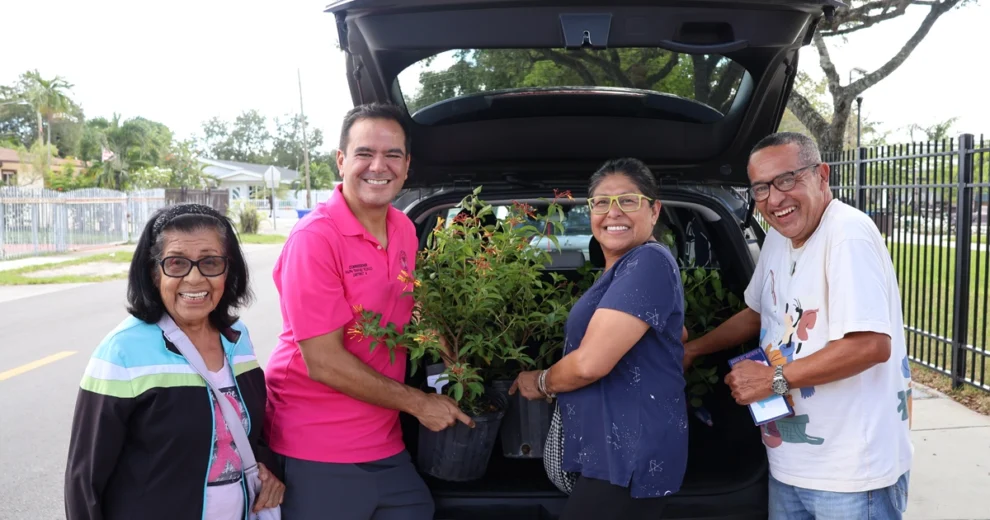
One year into his C.A.S.A. framework, Commissioner Rosado reflects on what it means to make local government personal again—and what still needs to get done
District 4 Commissioner Rosado’s collaboration with CASA Miami highlights ongoing municipal efforts to strengthen community support networks, affordable housing initiatives, and localized social services. This initiative focuses on offering comprehensive assistance programs, family safety resources, and educational workshops targeted at supporting vulnerable residents within District 4. By partnering with local community organizations, civic leaders are working to enhance public safety infrastructure, expand social safety nets, and streamline access to county funding and civic assistance programs. Residents can learn about upcoming district town hall meetings, community outreach schedules, volunteer opportunities, and official assistance services designed to foster neighborhood resilience, economic stability, and long-term family security across Miami-Dade’s fourth commission district.
City of Miami residents in District 4 have seen a lot of activity over the past year—new trees lining neighborhood streets, a first-of-its-kind sensory park for children with autism, tax relief checks arriving in the mailboxes of qualifying seniors, and weekly community events bringing neighbors together over salsa music and cafecito. Behind all of it is a governing philosophy Commissioner Ralph “Rafael” Rosado calls C.A.S.A.—an acronym standing for Community, Adaptability, Safety, and Affordability—and a deliberate effort to remind residents in South Florida that local government can still be something they feel. In an exclusive conversation with the Calle Ocho News Desk, Commissioner Rosado discussed the progress, the priorities, and the work that remains across one of Miami-Dade County's most historically rich and rapidly evolving districts.
How the C.A.S.A. Framework Has Shaped District 4 This Year
When Rosado launched C.A.S.A., he was clear that it was not a campaign slogan. It was a governing blueprint—a commitment to show up consistently across every neighborhood in District 4, from Flagami and Little Havana to Shenandoah, Silver Bluff, Golden Pines, and Coral Way.
"The achievement I'm most proud of isn't a single project, its proving that local government can still be personal.” - Commissioner Ralph Rosado.
That philosophy has translated into a broad portfolio of programs and improvements. The Senior Tax Relief Program distributed reimbursement checks to seniors, providing direct financial relief to some of the district's most cost-burdened residents. The pilot SAVE program helped reduce permitting costs for eligible home improvements, a practical step toward keeping longtime homeowners in the communities they built. Meanwhile, the 365 Days/365 Trees initiative, which began with a goal of planting 365 trees in a year, has already exceeded nearly 1,000 trees planted across the district, contributing to greener, healthier, and more climate-resilient neighborhoods.
On the public engagement side, Salsa Wednesdays and Arte D4, a district-wide public art initiative bringing murals, sculptures, and creative placemaking projects to neighborhoods across District 4, have become fixtures of community life. Together, they create opportunities for residents to connect with one another and engage directly with their local government.
A weekly social media series called Miami Makeover Monday documents before-and-after neighborhood improvements, from graffiti removal and illegal sign takedowns to beautification projects, keeping residents informed while encouraging them to report quality-of-life concerns directly to the office.
Rosado also pointed to Cortado con Rosado, a community event where residents share a coffee with the police officers assigned to their neighborhoods, as an example of safety-minded community building that doesn't always make headlines but quietly strengthens the social fabric.
"Many of these efforts may not reach the front page, but they help create safer, more welcoming neighborhoods and improve quality of life throughout District 4." - Commissioner Ralph “Rafael” Rosado.
The balance between growth and preservation is a challenge Rosado takes seriously. District 4 is home to some of Miami's most historically significant neighborhoods, each with its own identity. As development pressure continues to reshape City of Miami, the commissioner has focused on investments that improve quality of life—parks, public art, street trees, pedestrian safety—without erasing the character that makes each neighborhood distinct.
"Growth and preservation don't have to be opposing priorities, the goal is to improve our neighborhoods while making sure they still feel like home.” - Commissioner Ralph “Rafael” Rosado.
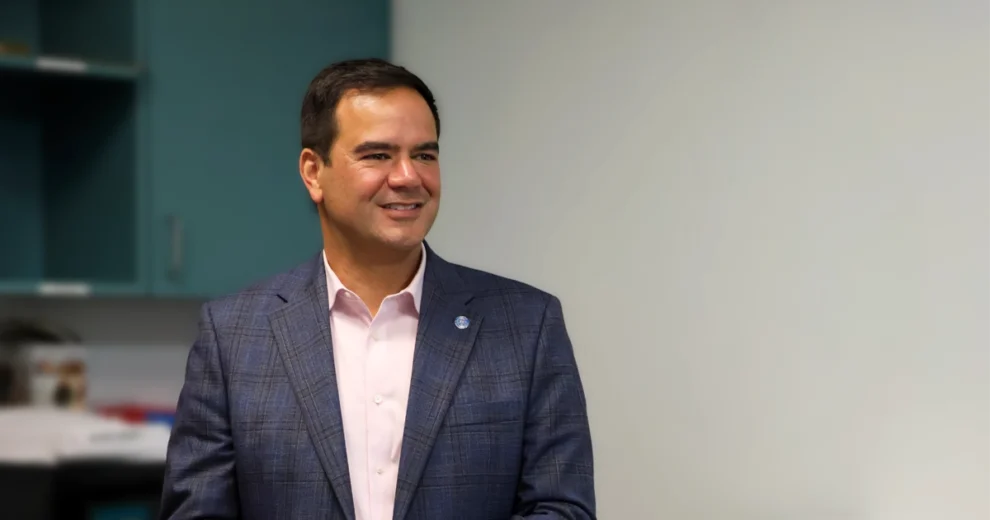
Accessibility, Affordability, and the Long-Term Work Ahead
Perhaps the most symbolic project of the C.A.S.A. year is the Superhero Park, located at 235 NW 26th Ave. When complete, it will be the first fully ADA-compliant, autism-focused sensory park in Miami and Miami-Dade County. For Rosado, it represents something larger than a single amenity, it reflects a commitment to ensuring that every resident, regardless of age or ability, has a place in the district's public spaces.
"A stronger community is one where everyone has the opportunity to participate." -Commissioner Ralph “Rafael” Rosado.
Accessibility has also informed infrastructure decisions. Sidewalk design, street crossings, and public space improvements across District 4 have been guided by the needs of seniors, families, and residents with disabilities, making it easier and safer to move through the neighborhood on foot.
On affordability, Rosado is candid about the limits of what local government can accomplish on its own while remaining committed to making progress within those limits. Miami-Dade County is among the least affordable metro areas in the United States, and rising costs affect housing, transportation, healthcare, and everyday expenses for working families throughout South Florida.
"These programs won't solve every affordability challenge Miami faces," he said of the Senior Tax Relief Program and SAVE pilot. "But they represent important steps local government can take to help residents stay in the communities they helped build."
He emphasized that affordability would require sustained attention and creative solutions well beyond this term—and that the work is far from finished.
Looking ahead, Rosado framed the district's long-term resilience strategy as inseparable from its day-to-day community investments. Flood mitigation projects, sandbag distribution ahead of major storms, and continued investment in public infrastructure are all part of preparing District 4 for the environmental and climate challenges that Miami will face in the coming decades.
"Adaptability is one of the pillars of C.A.S.A. because Miami's future depends on the decisions we make today.” - Commissioner Ralph “Rafael” Rosado.
Taken together, the past year in District 4 tells a story about what community-centered governance looks like in practice—not a single landmark achievement but a consistent, sustained effort to meet residents where they are, invest in the places they call home, and build the kind of trust that makes a neighborhood feel like it belongs to the people who live in it.
"If we've done our job well, residents don't just see individual projects. They see a district that feels more connected, more engaged, and more attentive than it did a year ago." - Commissioner Ralph “Rafael” Rosado.
Stay informed on everything happening across City of Miami. Subscribe to Calle Ocho News for weekly Miami updates delivered directly to your inbox. Interested in reaching City of Miami’s most engaged community audience? Contact Pressnet Corp. for advertising, sponsorship, and partnership opportunities.