
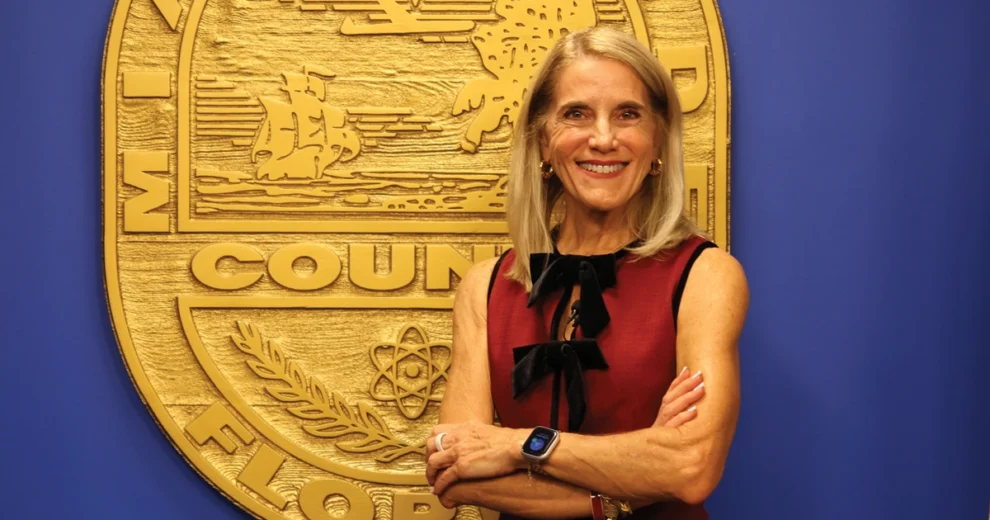
For Vicki Lopez, effective local government begins by showing up where residents live and turning what she hears into practical action
Miami-Dade County Commissioner Vicki L. Lopez says District 5 residents are asking for something more fundamental than another government announcement: security in their daily lives. Seniors want to know they can remain in their homes. Workers need buses that arrive in time for jobs and medical appointments. Condo owners need safe buildings without being displaced by assessments, and small businesses need a fair chance to open and grow. In a Calle Ocho News conversation, Lopez described a governing approach built around those connected pressures—and around meeting residents where they are.
Why Are Housing and Seniors Central to Commissioner Vicki Lopez’s Agenda?
Housing is Lopez’s most urgent priority because it affects nearly every group she serves. The problem reaches beyond traditional definitions of affordable or workforce housing: retirees on fixed incomes, service workers and professionals are all feeling the strain of Miami-Dade’s cost of living.
For seniors, the immediate need is stability. Lopez recalled meeting a wheelchair user whose rent had risen hundreds of dollars above her retirement income. Her office helped the residents find an affordable place to live, but the case revealed how quickly a rent increase can become a crisis for someone with limited mobility and income.
“They need security,” Lopez said of older residents. “They need to know that their rent is not going to go up, because their retirement doesn’t.”
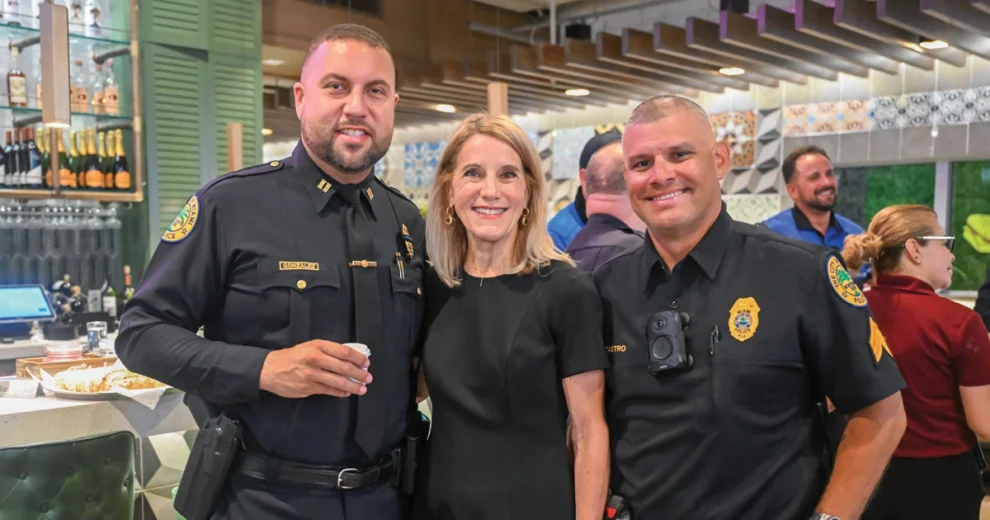
How can seniors ask District 5 for help? Lopez said residents can contact her office, but she does not believe access should depend on a senior’s ability to travel to government. She said she visits senior buildings each month to hear concerns directly, ranging from food insecurity and housing costs to transportation and visitor parking.
“My job is to come to them,” she said. “You don’t be afraid to tell me what you need, because we are here to help.”
Commissioner Vicki Lopez’s housing strategy includes preserving existing buildings. She said older four- and five-story apartment buildings could be substantially rehabilitated faster than new housing can be constructed. The aim would be to add safe, usable inventory while avoiding the displacement of current residents, particularly seniors. She also supports examining whether affordability standards can better reflect the income differences among communities instead of relying only on a broad regional calculation.
What does affordable housing mean in practical terms? Miami-Dade’s housing programs generally consider a home affordable when housing costs consume no more than 30% of household income. Lopez argued that countywide measurements can obscure the reality that incomes and rents vary substantially within District 5.
Her emphasis on existing buildings does not replace new construction. Instead, she presented rehabilitation, smaller starter homes and additional housing supply as complementary tools. More inventory, she argued, could ease price pressure over time, while targeted preservation could deliver relief sooner.
The same philosophy shapes her outreach to small businesses. District 5’s 2026 Mom and Pop Small Business Grant Program offered eligible businesses up to $1,500 for expenses such as equipment, inventory, marketing, professional services and renovations. Lopez said direct visits help her office identify permitting delays and other government processes that can cost entrepreneurs time and money.
What Help Is Available for Bus Riders and Condo Owners?
For transit riders, Lopez said her immediate goal is protecting dependable service where seniors and workers rely on it most. Miami-Dade’s proposed fiscal year 2026–27 budget projected a 10% reduction in Metrobus service levels, making route frequency and coordination a central public concern.
What should a resident do if a bus route is reduced or unreliable? Commissioner Vicki Lopez urged constituents to contact the District 5 office with the route, location, travel time, and problem they experienced. She said those reports can help identify hot spots near senior buildings and major commuting areas. She also called for better coordination among county buses, municipal trolleys, and locally contracted ride services so that public resources complement rather than duplicate one another.
Long waits can have consequences beyond inconvenience. A senior who waits 90 minutes in the heat may miss a medical appointment; a worker may arrive late at work. Lopez said the county should examine whether frequency can be concentrated during morning and evening travel periods while preserving access for residents who depend on transit throughout the day.
The proposed budget also illustrates her broader test for public spending. “Obviously, people over buildings in my book,” Commissioner Vicki Lopez said, arguing that essential services and vulnerable residents must come first when revenue is limited.
For condo owners, the central question is how to pay for necessary repairs without losing a home. Lopez said the 2021 Surfside condominium collapse continued to shape her work on building safety. “I never want to see a building collapse again. I never want to see loss of life,” she said. “The delicate balance is between making sure a building is safe and yet financially affordable for those who live there.”
What assistance may be available for a special assessment? Miami-Dade’s Condominium Special Assessment Program offers eligible owner-occupant loans of up to $50,000 for required building repairs. The county says eligibility extends to households earning up to 140% of area median income, with priority for residents age 62 and older. Eligible households may receive a zero-interest 40-year loan with low monthly payments. Program funding, application windows, and requirements can change, so residents should confirm current availability with Miami-Dade Housing and Community Development.
Commissioner Vicki Lopez said financial assistance does not resolve every condo issue. She called for stronger board transparency and more effective state oversight, especially when owners face repeated assessments or cannot obtain clear financial information. She also identified hotel-condominium properties as an area where regulatory responsibility needs clarification.
Across housing, transportation, condo safety and small-business support, Lopez returned to the same measure of county leadership: whether residents can see a difference in daily life. “Everybody’s voice matters,” she said. “Some of the greatest ideas have come from people who live in our district.” Residents can reach the District 5 office at 305-375-5924.
Subscribe to the Calle Ocho News newsletter for more reporting on the decisions affecting Miami-Dade communities. Contact Pressnet Corp. for advertising and partnership opportunities.