
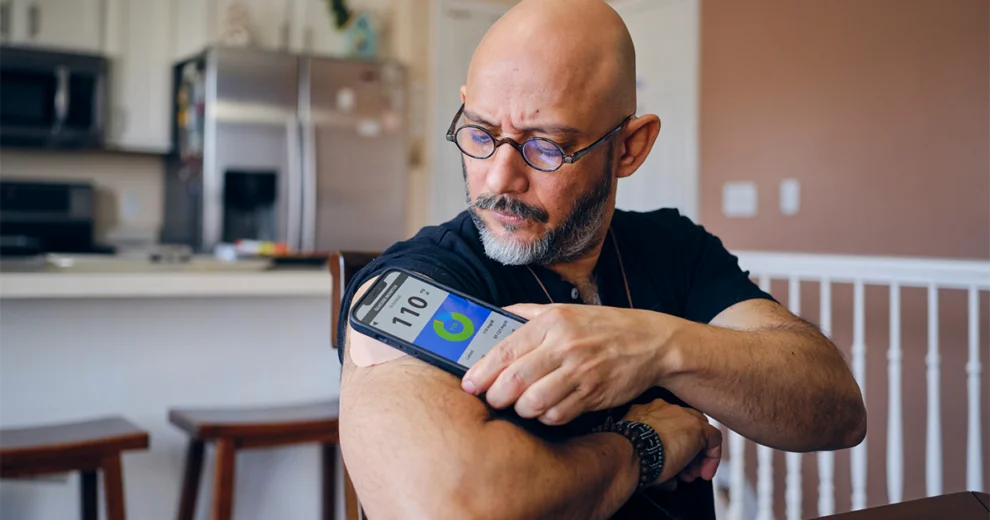
During National Diabetes Month, Aetna® highlights the importance of early screening, understanding risk factors, and making healthy lifestyle changes that can help prevent or delay type 2 diabetes
Prediabetes is a serious health condition that often develops without noticeable symptoms, leaving millions of Americans unaware that their blood sugar levels are higher than normal. During National Diabetes Month, Aetna® is helping raise awareness about the importance of recognizing risk factors, understanding blood sugar levels, and taking preventive steps before type 2 diabetes develops. Although the condition may not cause immediate discomfort, it can signal an increased risk of future health complications, making early detection particularly important for individuals and families throughout Miami-Dade County.
Prediabetes occurs when blood sugar levels are elevated but have not reached the threshold for a type 2 diabetes diagnosis. According to the Centers for Disease Control and Prevention (CDC), more than one in three American adults has prediabetes, and most are unaware of their condition. Without appropriate intervention, some individuals may eventually develop type 2 diabetes, increasing their likelihood of experiencing heart disease, kidney problems, and other complications. The encouraging news is that prediabetes can often be managed through preventive healthcare and sustainable lifestyle changes that help reduce the risk of disease progression.
Understanding Your Risk and the Importance of Screening
Prediabetes develops when the body's cells become less responsive to insulin, a hormone that helps move sugar from the bloodstream into cells where it can be used for energy. Several factors can increase the likelihood of developing the condition, including a family history of type 2 diabetes, excess body weight, physical inactivity, and a history of gestational diabetes. Age also plays a role, although younger adults can develop prediabetes, particularly when additional risk factors are present. Hispanic and Latino adults are among the populations at increased risk of type 2 diabetes, making awareness and preventive care especially relevant in South Florida's diverse communities.
Because prediabetes generally produces no obvious warning signs, blood testing is essential for identifying elevated blood sugar levels. One commonly used screening method is the A1C test, which measures average blood sugar levels over approximately three months. An A1C result between 5.7% and 6.4% indicates prediabetes, while a result of 6.5% or higher falls within the diabetes range and generally requires confirmation. Healthcare providers may also use a fasting blood glucose test, with results between 100 and 125 milligrams per deciliter indicating prediabetes. The American Diabetes Association recommends screening most adults beginning at age 35, with earlier testing for certain individuals who have additional risk factors.
Understanding these numbers can help individuals make informed decisions before more serious health problems develop. A person who feels healthy may still have elevated blood sugar, which is why preventive appointments and conversations with healthcare providers are important. Screening recommendations depend on individual circumstances, including medical history, weight, family history, and other health conditions. People diagnosed with prediabetes should also discuss appropriate follow-up testing and personalized prevention strategies rather than assuming that the absence of symptoms means their condition has improved.
Small Lifestyle Changes Can Help Prevent Type 2 Diabetes
A prediabetes diagnosis does not mean that developing type 2 diabetes is inevitable. Research from the National Diabetes Prevention Program has demonstrated that structured lifestyle changes can substantially reduce the risk of progression, particularly when individuals receive guidance and support. Regular physical activity is one of the most effective approaches because movement helps the body use insulin more efficiently. Walking, swimming, dancing, cycling, and other enjoyable activities can contribute to better metabolic health, with many adults encouraged to work toward at least 150 minutes of moderate physical activity each week according to their abilities and medical needs.
Nutrition is another important part of prevention, but improving eating habits does not necessarily require eliminating familiar foods or following restrictive diets. Choosing vegetables, whole grains, beans, lean proteins, and fiber-rich foods more often can support healthier blood sugar levels, while reducing sugary beverages and limiting highly processed foods may provide additional benefits. Traditional meals can still be enjoyed with attention to portion sizes, preparation methods, and overall nutritional balance. For individuals with excess weight, losing approximately 5% to 7% of body weight can significantly lower diabetes risk when medically appropriate, although recommendations should always reflect individual health circumstances.
Other daily habits, including adequate sleep, stress management, and avoiding tobacco, can also support long-term health. Some people with prediabetes may benefit from medication, such as metformin, depending on their medical history and risk factors, but these decisions should be made with a healthcare professional. The most effective prevention strategy is one that individuals can maintain consistently rather than a temporary change that becomes difficult to sustain. Healthcare providers and recognized diabetes prevention programs can help establish realistic goals and provide support as those habits develop.
National Diabetes Month offers an opportunity to make preventive healthcare a priority. Aetna encourages individuals and families to discuss their risk factors with healthcare providers, complete recommended screenings, and explore available preventive health resources. Anyone who has not had their blood sugar checked recently can ask whether an A1C or fasting glucose test is appropriate, while those already diagnosed with prediabetes can inquire about structured prevention programs. Recognizing the warning signs early, even when there are no noticeable symptoms, can create an important opportunity to protect long-term health.
Sponsored health education content presented in partnership with Aetna. This article provides general information and does not replace personalized medical advice.
Subscribe to Calle Ocho News for weekly Miami-Dade updates. Contact Pressnet Corp. for advertising, sponsorship and partnership opportunities.