
The free MOAD program brings prison-made art, live performance and a public conversation about creativity, censorship and freedom to one of Miami’s most symbolic landmarks
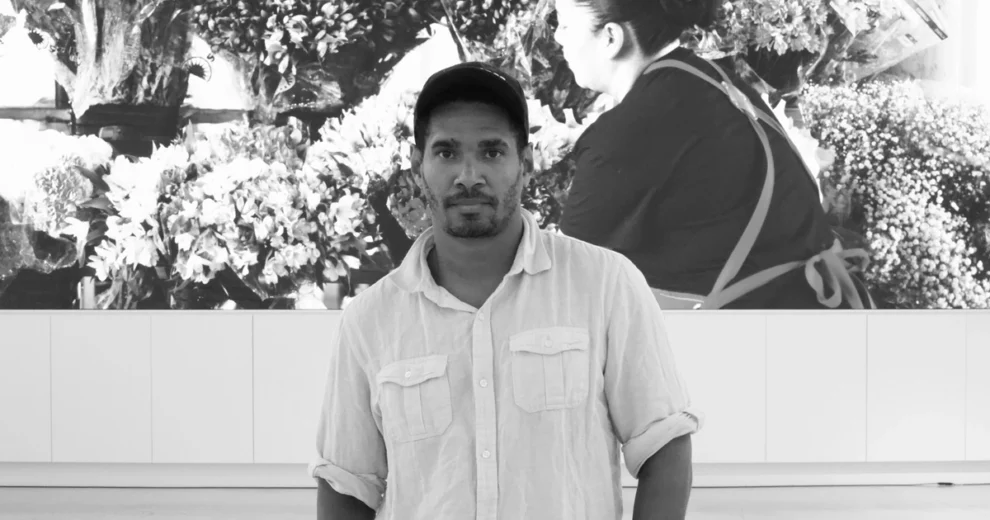
Miami audiences will have a rare opportunity to encounter the work and voice of Cuban artist Luis Manuel Otero Alcántara at Freedom Tower on Friday, August 14, 2026. Presented by the Museum of Art and Design at Miami Dade College, “Luis Manuel Otero Alcántara: nos encontramos” runs from 6 to 10 p.m. at 600 Biscayne Blvd. The free program begins with a live performance and continues with an artist conversation. Admission is open to the public, with entry available on a first-come, first-served basis. For Miami-Dade County, the event brings together contemporary art, Cuban civic history and the lived experience of an artist who arrived in Miami in July after spending five years imprisoned in Cuba.
Luis Manuel Otero Alcántara at Freedom Tower Places Prison-Made Art in Public View
The program’s central public-interest value is the art itself. Works Otero Alcántara produced while imprisoned will be shown in a museum for the first time, according to MOAD. A large-scale installation will occupy Freedom Hall alongside drawings that examine power, labor, loss, longing, vulnerability and self-determination. Seen together, the works ask audiences to consider how artistic expression changes when it is created under confinement—and what it means for that work to enter public view in Miami.
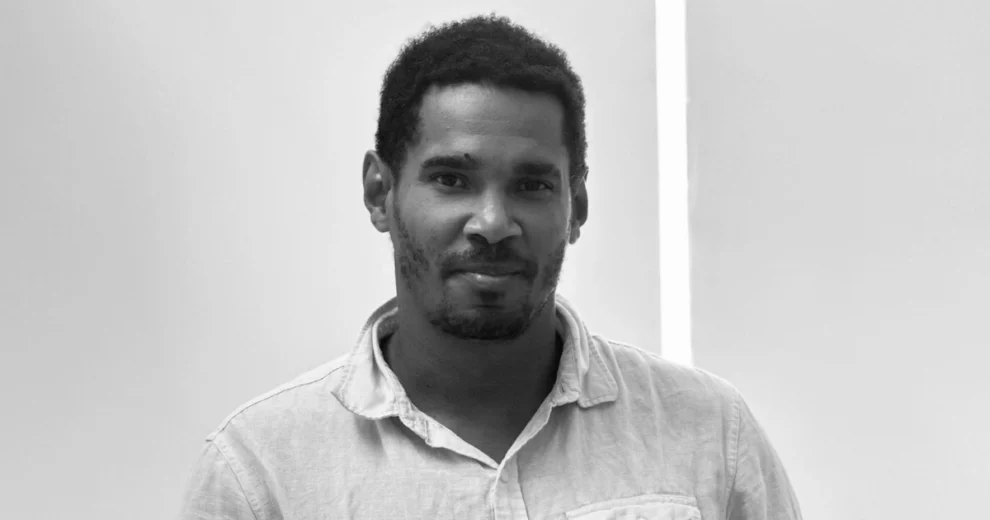
Otero Alcántara is an internationally recognized artist and activist and a co-founder of Cuba’s San Isidro Movement, a collective associated with artistic freedom and opposition to government censorship. He was detained following the demonstrations of July 11, 2021. Human-rights organizations described him as a political prisoner, while the Cuban government rejected that characterization. He was released after nearly five years and arrived in South Florida in July 2026.
His work and activism have received international attention, including recognition from the Prince Claus Fund and honors connected to creative dissent and human rights. Yet the Miami program is not simply a review of awards or biography. It centers what Otero Alcántara made, endured and carried with him—and gives the public an opportunity to hear how he understands that experience in his own words.
The evening will also feature filmmaker Ernesto Fundora, whose documentary, “Luis Manuel Otero Alcántara: Estamos conectados,” examines the artist’s circumstances and civic role. Telemundo journalist Gloria Ordaz will moderate the discussion. Calle Ocho News previously reported on the film’s role in a Miami series examining censored Cuban artists, offering readers additional context before the Freedom Tower program.
Amy Galpin, MOAD’s executive director and chief curator, said the museum is welcoming an artist whose “resilience and determination” connect with the histories held by the Freedom Tower. Her observation points to the deeper meaning of the venue: the building is not a neutral backdrop, but part of the story the evening will tell.
What the Free Miami Event Means for South Florida Audiences
For generations of South Florida residents, the Freedom Tower has represented migration, arrival and the Cuban exile experience. Placing Otero Alcántara’s prison-made work there creates a dialogue between an individual artistic record and a landmark associated with collective memory. Calle Ocho News has explored that symbolism in reporting on Hispanic heritage and the Freedom Tower’s immigrant exhibitions.
The setting also makes the program especially relevant to younger residents and people who may know the broad outlines of Cuba’s recent history but have had fewer opportunities to engage with it through contemporary art. A drawing or performance cannot settle political debate, but it can make questions about dignity, state power and freedom of expression more immediate. The moderated conversation adds context and allows audiences to hear how artists and filmmakers document experiences that official records may not fully capture.
That accessibility matters in a county shaped by multiple migrations and political histories. Although the program is rooted in a Cuban artist’s experience, its larger questions extend across cultures: Who gets to speak? What can art preserve when personal freedom is restricted? How should museums present testimony that is both creative and political? By making the event free, MOAD lowers a practical barrier to participation and positions a public cultural institution as a place for civic learning as well as exhibition.
For readers following South Florida’s creative community, Calle Ocho News’ Art & Culture coverage provides continuing reporting on exhibitions, performances and the institutions shaping Miami’s cultural identity. In this case, the public program demonstrates how those institutions can connect international human-rights concerns with local memory without reducing the artist’s work to a slogan.
The timing is also significant. Otero Alcántara’s arrival in Miami is recent, and the works on view were created during a period when he had limited control over his surroundings. Their first museum presentation therefore marks a transition: objects produced in confinement are entering a public space where they can be seen, discussed and interpreted by a community closely connected to Cuba’s past and present.
“Luis Manuel Otero Alcántara: nos encontramos” takes place Friday, August 14, from 6 to 10 p.m. at Miami Dade College’s Freedom Tower, 600 Biscayne Blvd., Miami. The event is free and open to the public; attendees should review MOAD’s event information and registration page before arriving, and admission remains subject to capacity. As Miami continues to examine how art carries memory across borders, the evening offers residents a timely place to listen, look and reflect. Subscribe to Calle Ocho News for weekly Miami-Dade updates. Contact Pressnet Corp. for advertising, sponsorship, and partnership opportunities.