
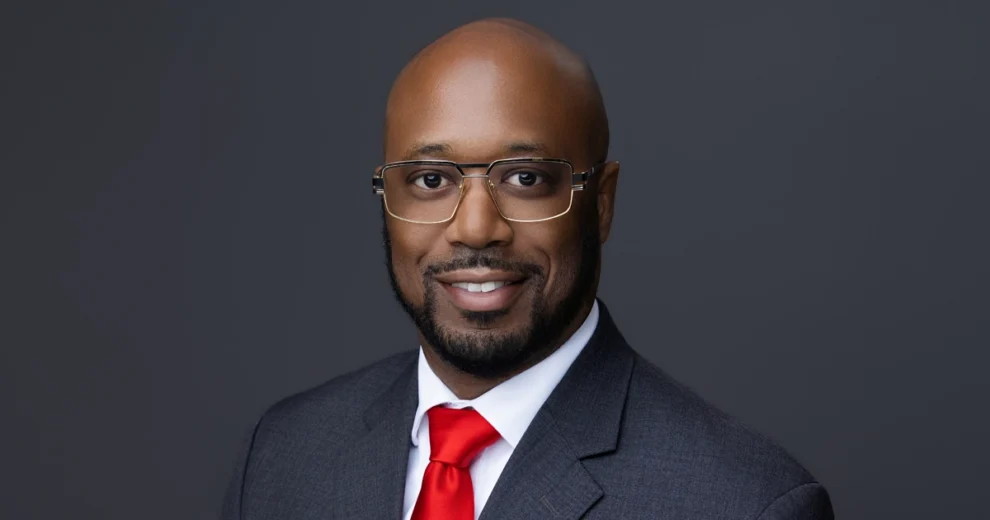
The Miami-Dade judicial candidate shares how criminal defense work, public service and respect for every courtroom participant shape his view of the bench
The judicial system brings together people from every part of Miami-Dade County, often during difficult or uncertain moments in their lives. Arthur L. “Marty” McNeil, a candidate for Circuit Court Judge, Group 5, says his experience as a criminal defense attorney and assistant public defender has shaped his understanding of how judges should serve the public.
In an interview with Calle Ocho News, McNeil discussed his legal background, early interest in the law and the principles he believes should guide judicial decision-making. He emphasized listening carefully, maintaining a calm demeanor, following the law and treating every person with dignity.
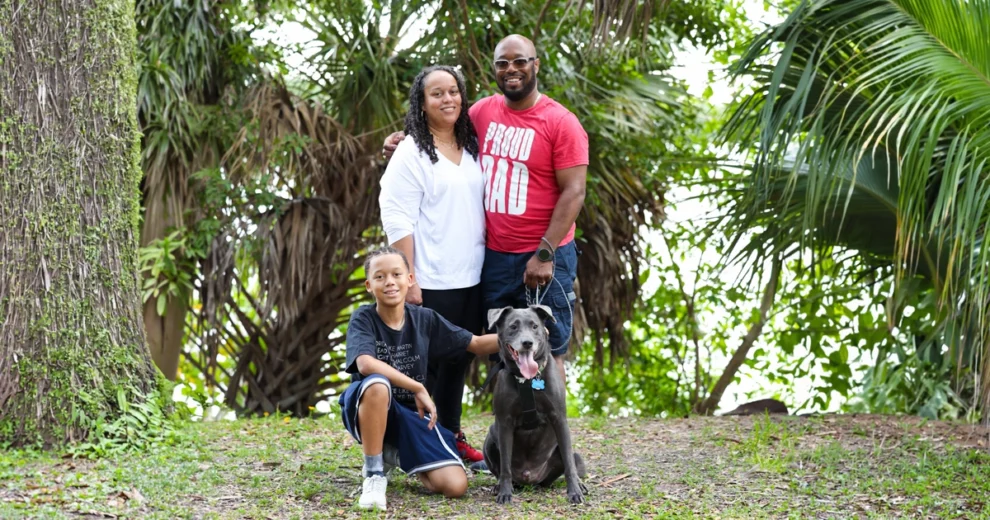
Background and Qualifications
McNeil identified his criminal defense experience as the professional influence that has most shaped his approach to public service. That work, he said, has placed him in contact with citizens from a wide range of backgrounds and circumstances.
Courtrooms involve more than attorneys, defendants and judges. Jurors, first responders, witnesses, alleged victims and relatives may all participate in the legal process. Each person enters the courthouse with a different role, perspective and level of familiarity with the justice system.
McNeil believes every participant plays an important role in the administration of justice and should be treated with dignity and respect. His perspective reflects a view of the courtroom as a public institution in which fairness includes how people are heard and treated throughout the process.
His interest in law began during childhood. McNeil cited television characters such as Matlock, Perry Mason and Claire Huxtable as early influences. He viewed those fictional attorneys as determined advocates who stood beside people in need and refused to give up on them.
The idea of becoming a judge developed early in his legal career. McNeil recalled that an aunt encouraged the possibility on the day he was sworn in as an attorney, telling him that she could see him serving as a judge.
His work as an assistant public defender later exposed him to judges whose examples strengthened that interest. Public defenders represent people accused of crimes who cannot afford private counsel. The role places attorneys within a system where constitutional protections, courtroom procedures and access to representation carry significant public consequences.
Judicial Philosophy and Priorities
When asked about the principles that would guide difficult decisions, McNeil identified three: remaining calm, listening more than speaking and following the law.
He said careful listening allows a judge to gather the relevant facts before reaching a decision. In his view, that process helps prevent ego, personal bias and outside opinion from influencing judicial decisions.
Judges are responsible for applying the law to the facts and arguments presented in court. Their decisions can affect personal liberty, family relationships, property, businesses and access to legal remedies. Public confidence therefore depends not only on outcomes, but also on whether the process is fair, consistent and impartial.
McNeil said Miami-Dade County’s diversity has reinforced for him the principle that everyone stands equal under the law. During his legal career, he has interacted with attorneys, first responders, medical professionals, educators, government workers, homemakers, older adults, parents and residents whose primary language is not English.
He also identified his interactions with members of the LGBTQ+ community, community activists, people experiencing homelessness and individuals facing financial hardship as part of his professional exposure to Miami-Dade’s population.
Those experiences, McNeil said, strengthened his belief that a person’s occupation, income, identity or social position should not determine the quality of justice that person receives. Equal treatment is particularly relevant in Miami-Dade, where different cultures, languages and life experiences frequently intersect within the same public institutions.
McNeil described his commitment to community service as genuine and connected it to how he was raised. He said he has long wanted to help other people reach their potential and become their best selves.
If elected, McNeil said he would want the public to remember that he worked hard, treated people with respect and approached the responsibility of administering justice sincerely.
Voters evaluating judicial candidates may consider legal experience, professional conduct, temperament, communication skills and the ability to apply the law without favoritism. Candidate interviews offer one source of information, while public forums and other independently available records can provide additional context.
Readers can follow more election information and civic reporting through Calle Ocho News’ Miami politics coverage.
As Miami-Dade residents consider the candidates seeking judicial office, access to clear and balanced information remains essential. Subscribe to Calle Ocho News for weekly Miami-Dade updates on elections, public service and community issues. Organizations seeking to connect with a diverse South Florida audience may contact Pressnet Corp. for advertising, sponsorship, and partnership opportunities.