
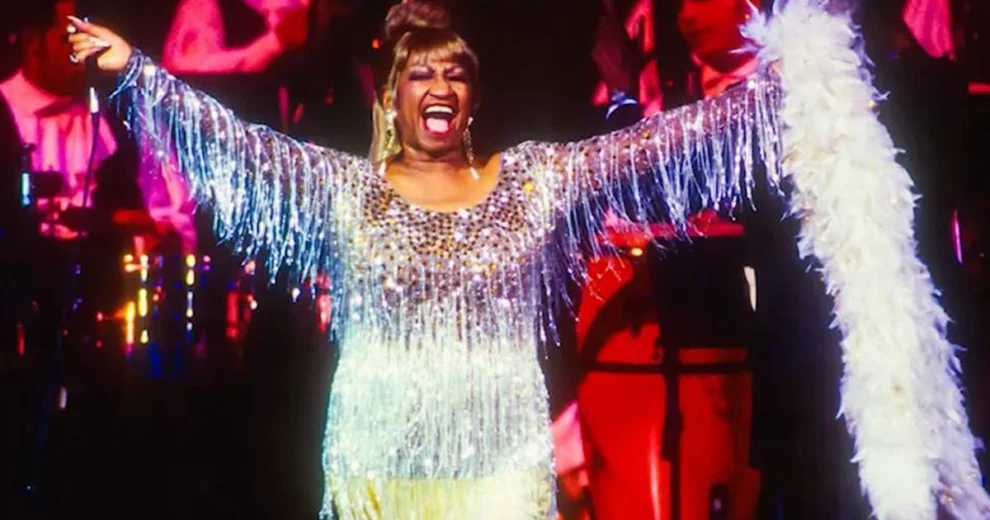
The Queen of Salsa joins the Hall of Fame's Class of 2026, bringing renewed recognition to Cuban music, Latin cultural heritage and a legacy deeply connected to South Florida
Cuban music legend Celia Cruz has officially joined the Rock & Roll Hall of Fame as part of its Class of 2026, marking a significant milestone for Latin music and the cultural contributions of Cuban artists to American popular music. The posthumous honor was celebrated during the November 14 induction ceremony at the Peacock Theater in Los Angeles, more than two decades after the singer's death. For Miami-Dade County's Cuban American community, where Cruz remains an enduring symbol of cultural pride, the recognition carries particular significance.
Cruz was selected for the Hall of Fame's Early Influence Award, which recognizes musicians whose work helped shape the evolution of rock and roll and other influential musical traditions. Her inclusion acknowledges the importance of Afro-Cuban rhythms, salsa and Latin American musical expression in the broader history of popular music. The recognition also comes shortly after the centennial of her birth on October 21, 1925, adding another milestone to a legacy that continues to resonate across generations.
From Havana to International Music History
Born in Havana's Santos Suárez neighborhood, Cruz began her professional career in Cuba before becoming the lead female vocalist of La Sonora Matancera in 1950. Her powerful voice, commanding stage presence and distinctive interpretation of Cuban musical traditions helped establish her as one of the country's leading performers. Following the Cuban Revolution, she left the island with the orchestra in 1960 and eventually settled in the United States, where she continued building an international career.
Her transition from Cuban orchestral music to the emerging salsa movement became a defining chapter in Latin music history. Collaborations with Tito Puente, Johnny Pacheco and the Fania All-Stars introduced her voice to new audiences while helping popularize musical styles rooted in Cuban and other Afro-Caribbean traditions. At a time when the salsa industry was dominated by male performers, Cruz became one of its most recognizable and successful figures, demonstrating that Spanish-language music could achieve international prominence without abandoning its cultural identity.
Her recordings included enduring songs such as La Vida Es Un Carnaval, La Negra Tiene Tumbao and Quimbara. Beyond their commercial success, these performances reflected the rhythmic diversity, humor and emotional expression that defined her artistry. Her signature exclamation, “¡Azúcar!”, became inseparable from her public identity and remains one of the most recognizable expressions associated with Latin music.
Cruz's accomplishments extended far beyond record sales. Her career included 23 gold albums, three Grammy Awards, four Latin Grammy Awards and the National Medal of Arts. She was also recognized with a posthumous Grammy Lifetime Achievement Award in 2016. Her influence reached beyond music into fashion, cultural representation and the visibility of Afro-Latina artists in American entertainment.
The Rock & Roll Hall of Fame's 2026 class reflects an increasingly broad understanding of musical influence. Alongside Cruz, the Early Influence honorees include Nigerian musician Fela Kuti, hip-hop pioneers Queen Latifah and MC Lyte, and country-rock artist Gram Parsons. Performer inductees include Phil Collins, Billy Idol, Iron Maiden, Joy Division/New Order, Oasis, Sade, Luther Vandross and Wu-Tang Clan. Together, the selections recognize musical traditions that have shaped popular culture across genres and generations.
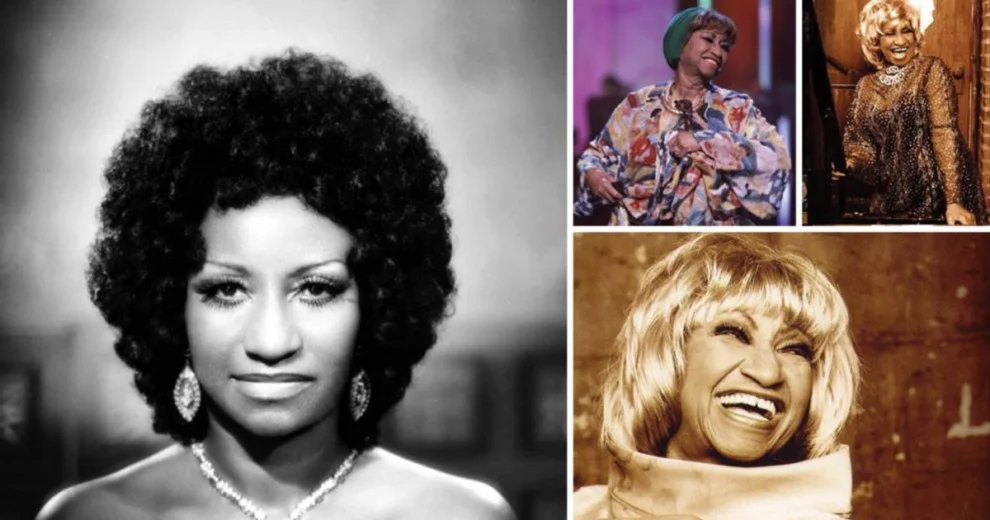
A lasting Connection to Miami and the Cuban American Community
For South Florida, Celia Cruz's induction represents more than another distinction for an internationally celebrated performer. Her life reflected the experiences of displacement, cultural preservation and reinvention familiar to generations of Cuban families who established new lives in Miami-Dade County. Although she built much of her career outside Florida, her music became an essential part of the cultural identity maintained by Cuban Americans throughout the region.
Cruz's relationship with the exile community was particularly meaningful because she never returned to live in Cuba after leaving in 1960. Her performances carried elements of the homeland she had left behind, while her success demonstrated how Cuban musical traditions could flourish internationally. Songs celebrating joy, resilience and cultural identity became part of family gatherings, community festivals and celebrations across South Florida.
That connection was evident following her death in July 2003. More than 200,000 admirers reportedly paid their respects during a Miami vigil honoring the singer. The extraordinary public response demonstrated how deeply her music and personal story had become woven into the region's cultural memory.
Her legacy has continued to receive recognition through public institutions and national honors. In 2024, the United States Mint released a quarter featuring Celia Cruz as part of the American Women Quarters Program, recognizing her contributions to American history and culture. A statue honoring the singer was also unveiled in Hialeah in 2018, reinforcing her lasting connection to Miami-Dade's Cuban American community.
The Rock & Roll Hall of Fame induction adds another dimension to that legacy by recognizing Celia Cruz not only as a defining figure in salsa but also as an artist whose influence belongs within the larger story of American music. Her career illustrates how cultural traditions carried by immigrant communities can become an integral part of the nation's artistic identity.
Audiences will have an opportunity to watch the recorded induction ceremony when ABC broadcasts a three-hour primetime special on Tuesday, December 8, from 8 to 11 p.m. Eastern Time. The program will become available for streaming on Disney+ and Hulu beginning December 9. The broadcast will bring the celebration to viewers who could not attend the Los Angeles ceremony.
For generations who grew up listening to her music, Celia Cruz has long held a place among the most influential performers in Latin American history. Her induction into the Rock & Roll Hall of Fame formally expands that recognition, affirming that the sounds of Cuba and the Caribbean are an essential part of the musical heritage celebrated throughout the United States.
Subscribe to Calle Ocho News for weekly Miami-Dade updates.
Contact Pressnet Corp. for advertising, sponsorship and partnership opportunities.