
The new state charge adds to a federal case involving four men killed aboard two Miami-based humanitarian aircraft, renewing questions about accountability and U.S.-Cuba relations
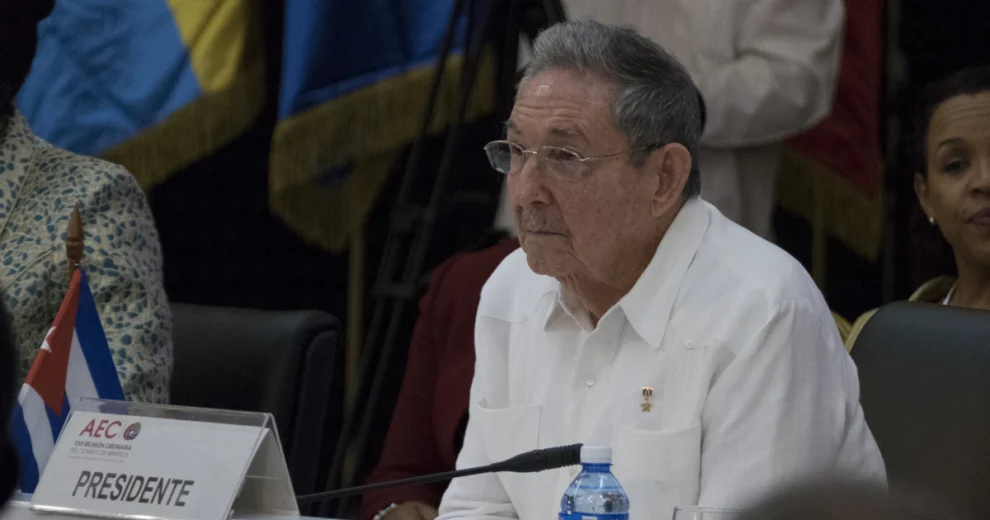
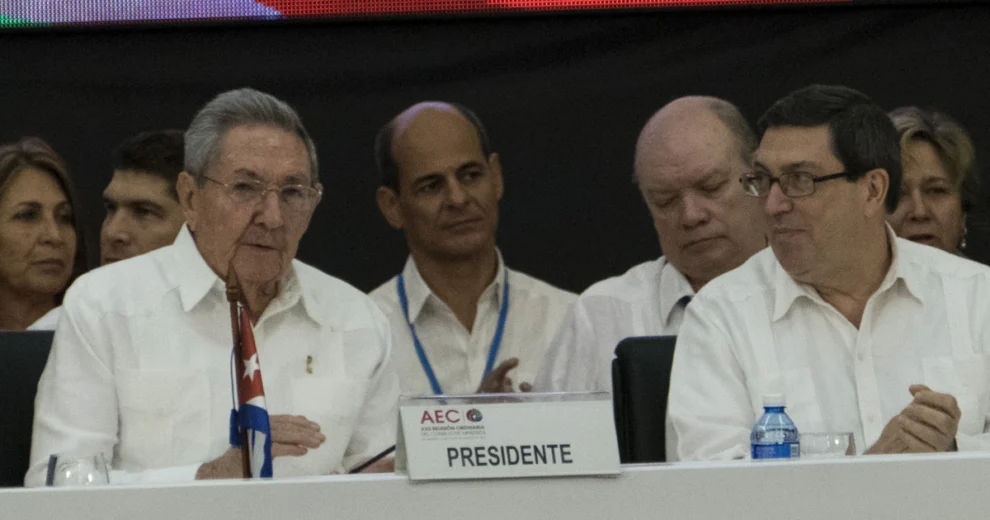
Florida authorities have secured a state arrest warrant for former Cuban leader Raúl Castro in connection with the February 24, 1996, shootdown of two Brothers to the Rescue aircraft, an incident that killed four men and remains deeply significant to Miami's Cuban exile community. Announced October 19 by Florida Attorney General James Uthmeier, the warrant charges Castro with conspiracy to commit first-degree murder, adding a new state-level proceeding to the federal criminal case announced earlier this year.
The development brings renewed attention to an episode that shaped relations between the United States and Cuba and left a lasting impact on families across South Florida. It also raises questions about whether prosecutors can ultimately bring Castro before a U.S. court, nearly 31 years after the aircraft were destroyed over international waters.
A Miami-based Humanitarian Mission at the Center of the Case
Brothers to the Rescue, known in Spanish as Hermanos al Rescate, was founded by Cuban exiles and became known for conducting flights intended to locate migrants attempting dangerous crossings from Cuba. On February 24, 1996, three unarmed Cessna aircraft departed Opa-locka Airport in Miami-Dade County. Two were subsequently shot down by Cuban military fighter jets, killing Carlos Costa, Armando Alejandre Jr., Mario de la Peña and Pablo Morales.
The deaths reverberated throughout South Florida, where Cuban exile organizations, families and community leaders had long advocated for political freedoms in Cuba and supported people fleeing the island. The incident became one of the defining confrontations in modern U.S.-Cuba relations, intensifying diplomatic tensions and leaving unresolved demands for accountability.
According to the Florida Department of Law Enforcement, the new warrant charges Castro with one count of conspiracy to commit first-degree murder, classified as a first-degree felony under Florida law. The court ordered that he be held without bond if taken into custody. The warrant was signed by Chief Judge Ariana Fajardo Orshan of Miami-Dade's Eleventh Judicial Circuit.
State investigators allege that Castro, who served as Cuba's minister of the Revolutionary Armed Forces and first vice president at the time, participated in the chain of command that authorized the attack. The state's account also describes intelligence activity involving Cuban operatives who allegedly infiltrated Brothers to the Rescue, obtained information about its flights and transmitted intelligence to Havana.
The Florida investigation identifies alleged elements of the conspiracy in both Miami-Dade and Monroe counties. That connection is important because it forms part of the state's explanation for pursuing charges involving an attack that occurred outside Florida's territorial boundaries. The Office of Statewide Prosecution is handling the case because the alleged criminal activity crossed county jurisdictions.
The new warrant follows a separate federal development. On May 20, 2026, the U.S. Department of Justice announced a superseding indictment charging Castro and five co-defendants over their alleged roles in the aircraft shootdown. The federal case includes allegations involving the deaths and destruction of the civilian aircraft. Both proceedings concern the same historical event, but the state and federal charges are legally distinct.
Neither the state warrant nor the federal indictment establishes criminal guilt. The allegations must be proven in court, and the defendants are presumed innocent unless proven guilty.
What the Warrant means for Miami and U.S.-Cuba Relations
For the families of the four men killed and the broader Cuban-American community, the announcement represents another development in a decades-long pursuit of accountability. The passage of time has not diminished the historical importance of the case, particularly in Miami-Dade County, where the victims' names remain connected to the history of Cuban exile activism and humanitarian efforts.
The state warrant does not, however, mean Castro has been arrested or that a trial is imminent. He remains outside U.S. custody, and any effort to bring him before a Florida court would face significant legal and diplomatic obstacles. The existence of a warrant can support future enforcement efforts if circumstances change, but it does not guarantee extradition or prosecution.
The timing also places the case within a broader period of strained relations between Washington and Havana. Cuba's current president, Miguel Díaz-Canel, has rejected the federal accusations as politically motivated. The competing positions underscore how a criminal case rooted in the events of 1996 continues to carry diplomatic significance today.
Florida International University has indicated that experts are available to examine the legal and diplomatic implications of the case, as well as Cuba's political leadership, economic challenges, migration patterns and broader geopolitical position. Those subjects are closely connected to South Florida, where developments on the island can influence family relationships, migration concerns and public discussion about the future of Cuba.
The distinction between a criminal prosecution and a broader political dispute remains essential. Prosecutors must establish individual criminal responsibility through admissible evidence and applicable law. Questions about Cuba's political future, meanwhile, involve diplomatic relationships and circumstances extending far beyond a single court proceeding.
The Florida Department of Law Enforcement says the state investigation remains active and that additional charges are possible. For now, the most immediate development is the issuance of a formal state warrant, not an arrest or conviction. The next significant steps will depend on whether prosecutors disclose additional evidence, pursue further charges or encounter circumstances that make enforcement possible.
Nearly three decades after the deaths of Costa, Alejandre, de la Peña and Morales, the case continues to connect a historical tragedy to present-day questions of justice and international relations. In Miami, where the story remains part of the community's collective memory, the renewed legal proceedings ensure that the events of February 24, 1996, remain subject to public examination.
Subscribe to Calle Ocho News for weekly Miami-Dade updates.
Contact Pressnet Corp. for advertising, sponsorship and partnership opportunities.