
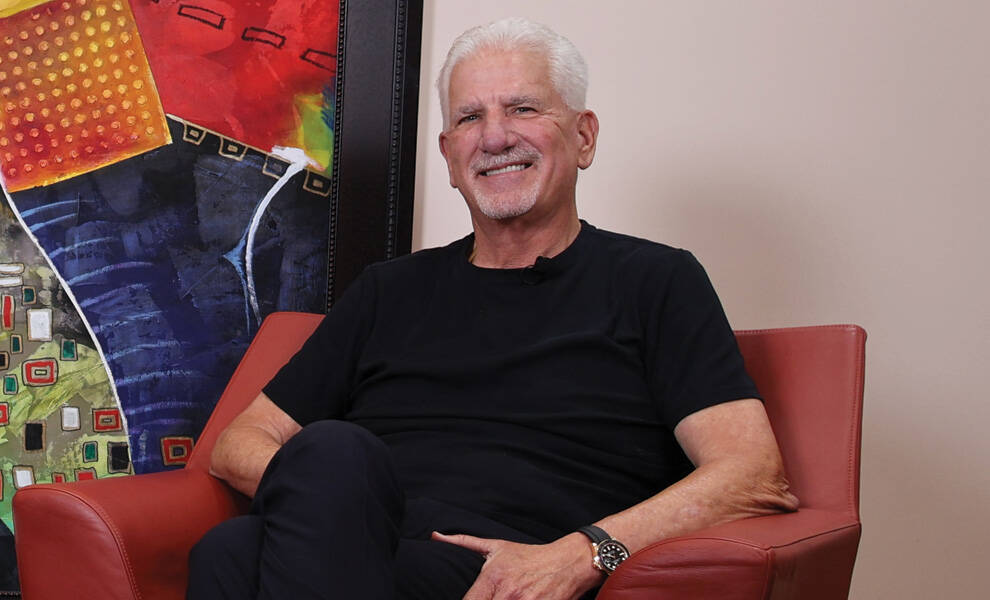
As Miami prepares to host seven FIFA World Cup 2026 matches, FIFA Miami Host Committee Chairman Rodney Barreto says the event represents far more than sports — calling it a defining moment for Miami-Dade County’s economy, identity, and global future
As South Florida prepares for one of the largest international sporting events in modern history, Rodney Barreto says FIFA World Cup 2026 could leave a lasting impact on Miami-Dade County far beyond the soccer field. During a recent conversation with Calle Ocho News, Barreto described the tournament as a major opportunity to showcase Miami’s global identity, strengthen tourism, support local businesses, and reinforce the region’s position as one of the world’s most culturally dynamic destinations.
Miami will host seven FIFA World Cup 2026 matches as part of the tournament’s historic expansion across the United States, Canada, and Mexico. According to Barreto, the international attention focused on South Florida during the tournament will create benefits reaching virtually every sector of the local economy — from hotels and restaurants to transportation, entertainment, retail, and small businesses.
“Once the last whistle is blown, people will always look and understand what Miami is all about,” Barreto said during the interview, emphasizing the long-term visibility the event could generate for the region.
The chairman also highlighted the significance of the 23-day FIFA Fan Festival planned for Bayfront Park, which will be free and open to the public. The festival is expected to draw thousands of visitors, including many travelers who may never attend a match but still want to experience the atmosphere and celebration surrounding the tournament.
Barreto described FIFA 2026 as a moment capable of energizing Miami during a traditionally slower tourism season, noting that June and July are typically among the quietest months for South Florida’s hospitality industry.
Rodney Barreto sees FIFA as a catalyst for Miami’s economic and cultural growth
During the interview, Rodney Barreto repeatedly emphasized that FIFA’s impact on Miami extends well beyond sports entertainment. He described the tournament as a broad economic driver capable of benefiting both major industries and smaller local businesses throughout Miami-Dade County.
“It starts right at the airport,” Barreto explained, outlining how visitors arriving for FIFA will support airlines, rideshare companies, hotels, restaurants, shopping centers, and entertainment venues throughout South Florida.
The FIFA Miami Host Committee has also worked to ensure local businesses have opportunities to participate in the event ecosystem. Barreto said workshops and mentorship efforts were created to help smaller companies engage with the opportunities tied to FIFA-related operations and activations.
Beyond economics, Barreto framed Miami’s multicultural identity as one of the city’s greatest strengths entering the global spotlight. He described Miami as an international city where more than 120 languages are spoken and where people from around the world continue choosing to live, invest, and build businesses.
“We’re just a beautiful melting pot here in Miami,” Barreto said. “Everybody wants to be here.”
At the same time, he acknowledged that Miami’s rapid growth brings challenges, particularly surrounding transportation infrastructure and affordability. Barreto identified traffic congestion and housing costs as critical issues city and county leaders must continue addressing to preserve Miami’s long-term quality of life.
Readers interested in additional South Florida tourism and development coverage can also explore Calle Ocho News business and tourism reporting and South Florida public affairs coverage examining Miami’s continued economic and cultural evolution.
Leadership, public service, and Miami’s future remain central to Barreto’s vision
Throughout the conversation, Barreto reflected not only on FIFA, but also on leadership, public service, and his long history of civic involvement throughout South Florida.
A former Miami police officer and longtime civic leader, Barreto said the values that continue guiding him are honesty, transparency, responsibility, and following through on commitments.
He also discussed his role as chairman of the Florida Fish and Wildlife Conservation Commission and emphasized the importance of protecting South Florida’s environment as Miami continues growing. Barreto noted that Miami’s natural beauty, boating culture, beaches, and outdoor lifestyle remain central to what attracts people to the region.
When asked about his legacy, Barreto said he hopes Miami continues improving while maintaining the cultural energy and diversity that make the city unique.
“You want to see it better than when you found it,” Barreto said.
As FIFA 2026 approaches, Barreto says his biggest hope is for Miami residents to welcome visitors, support local businesses, and embrace the global spotlight about to shine on South Florida. He encouraged residents who may not attend matches to still participate through Bayfront Park’s Fan Festival and local community events tied to the tournament.
Readers can continue exploring related stories about FIFA 2026, Miami tourism, and South Florida leadership through community and culture coverage from Calle Ocho News and additional reporting on CalleOchoNews.com. As Miami prepares to welcome the world for FIFA World Cup 2026, leaders like Rodney Barreto say the event represents an opportunity not only to celebrate sports, but also to showcase Miami’s culture, diversity, and global influence on an international stage. Subscribe to Calle Ocho News to Get weekly Miami updates and continued coverage on South Florida business, culture, tourism, and public affairs. Want to feature your business? Contact Pressnet Corp. for advertising, sponsorship, and partnership opportunities, and continue exploring related stories on CalleOchoNews.com.