
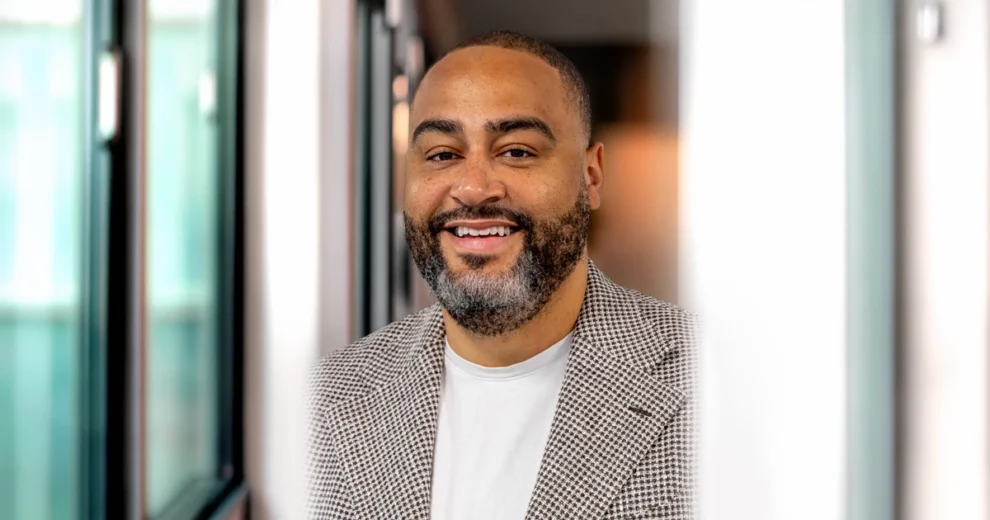
Acting Executive Director MJ Green says Downtown Miami's future depends on more than development—it depends on creating a place where residents, businesses, artists, and visitors all feel connected
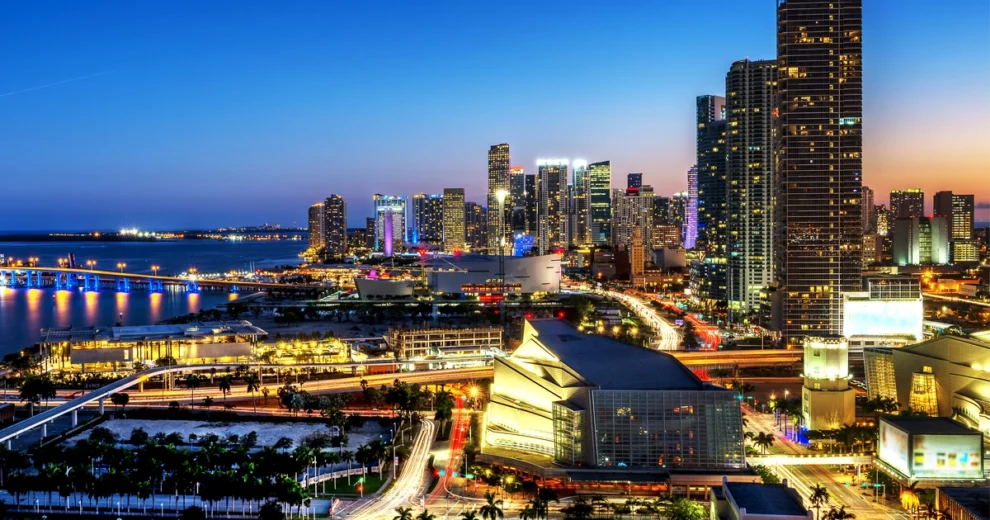
Downtown Miami has long been recognized as South Florida's financial and commercial center. Today, however, it is evolving into something much larger—a thriving urban neighborhood where economic development is measured not only by new construction, but also by quality of life, cultural experiences, accessible transportation, and meaningful public spaces.
That broader vision is shaping the work of the Miami Downtown Development Authority (Miami DDA), an organization responsible for guiding the economic vitality of one of the country's fastest-growing urban districts. Under the leadership of Acting Executive Director Michaeljohn “MJ” Green, the Miami DDA is expanding its focus beyond traditional business recruitment to create a downtown that serves residents, entrepreneurs, artists, workers, and visitors alike.
"Real economic development doesn't happen without massive amounts of partnership," Green said during a recent interview with Calle Ocho News, pointing to the collaborations that continue to reshape Downtown Miami's future.
Today, Downtown Miami is home to more than 101,000 residents, welcomes approximately half a million cruise passengers every month, and continues to attract businesses and investment from around the world. As the district grows, so does the responsibility to ensure that growth benefits the entire community—not just the skyline.
Building a Downtown That Brings People Together
Several of the Miami DDA's newest initiatives illustrate how public-private partnerships can transform everyday spaces into long-term community assets.
Among the most visible is Airbnb's $420,000 investment through the FIFA World Cup 2026 Host City Impact Program to build four public soccer pitches in Downtown Miami. Three of those fields will be permanent, creating free recreational spaces that residents and visitors can enjoy for years to come.
For Green, the project represents much more than preparation for an international sporting event.
"The best thing about the investment is that these soccer pitches aren't going anywhere," he said. "They're staying right here."
He believes that accessible public spaces strengthen neighborhoods by encouraging interaction among people from different backgrounds while supporting healthier, more active communities.
That philosophy extends throughout the Miami DDA's broader initiatives.
This year, the organization opened applications for its 2026–2027 Downtown Creative Collaborators Grant Program, making up to $475,000 available for artists, cultural organizations, nonprofit groups, and event producers seeking to activate public spaces across Downtown Miami.
Rather than viewing arts and entertainment as secondary to economic development, Green sees them as essential drivers of prosperity.
"Entertainment is a business of its own," he explained. "Miami represents incredible diversity—not only in its people but also in the businesses that make this city unique."
The grants, which range from $5,000 for neighborhood activations to $50,000 for large-scale cultural events, encourage applicants to think creatively while demonstrating how their projects will engage the community.
The goal is straightforward: create experiences that encourage people to spend more time downtown while supporting local artists, entrepreneurs, restaurants, and businesses.
The same community-first philosophy also drives the Miami DDA's continued investment in Freebee, the complimentary electric ride service operating throughout the Arts & Entertainment District, Brickell and Central Business District.
Available through a free mobile app, Freebee offers residents and visitors complimentary transportation throughout the district, connecting destinations such as the Arsht Center, Bayfront Park, Miami Worldcenter, Mary Brickell Village, Brightline, Metromover stations, cultural venues, restaurants, grocery stores, and entertainment districts.
Green believes mobility plays a central role in making downtown accessible.
"Downtown Miami is one of the few places in Miami-Dade County where you can truly get around without a car," he said.
For residents, that means easier access to daily necessities. For visitors, it provides a convenient way to explore one of South Florida's most dynamic neighborhoods while reducing parking challenges and traffic congestion.
Economic Development Beyond Buildings
Although the Miami DDA is often associated with commercial development, Green emphasizes that its mission reaches much further.
The organization works across multiple areas, including business recruitment, streetscape improvements, public safety, cultural programming, transportation, urban planning, and neighborhood enhancement.
He describes the Miami DDA as the connective tissue between government, private investment, and the community.
"We believe the Miami DDA district is the greatest place in America to live, work, and play," Green said. "We want businesses to succeed, residents to enjoy a high quality of life, and visitors to experience everything Downtown Miami has to offer."
That vision arrives at a significant moment for the city.
Construction cranes continue to reshape the skyline while thousands of new residents move into downtown each year. Yet Green argues that successful urban development cannot be measured solely by buildings or investment totals.
Instead, success depends on creating neighborhoods where people feel connected—to each other, to public spaces, and to the experiences that make a city memorable.
Events such as the annual Holiday Village on Flagler Street illustrate that philosophy in action, transforming downtown into a festive gathering place where families from throughout South Florida come together regardless of where they live.
Whether through sports, arts, transportation, or public events, Green sees each initiative contributing to a larger goal.
"Downtown Miami is for everybody," he said. "People come here from all over the world, all over Florida, and all over Miami-Dade County. We're proud to continue working with our partners to move this district further into the future."
As Miami continues its rapid evolution, the work taking place downtown demonstrates that economic development is no longer defined solely by new towers or corporate investment. Increasingly, it is measured by how effectively a city creates opportunities for connection, creativity, mobility, and community life.
That broader vision may ultimately become Downtown Miami's most valuable investment.
Subscribe to the Calle Ocho News newsletter to stay informed about the people, projects, and public policies shaping Miami-Dade County.
Interested in reaching South Florida's diverse audience? Contact Pressnet Corp. to learn about advertising, sponsored content, executive interviews, and partnership opportunities with Calle Ocho News.