

Experts say the federal move to reclassify medical marijuana from Schedule I to Schedule III could impact taxes, scientific research, insurance coverage, and public health discussions throughout Florida and South Florida communities
A major federal policy shift involving medical marijuana is generating new conversations across Miami-Dade County and South Florida surrounding healthcare access, scientific research, taxation, and public education. The recent decision by the Trump administration to move marijuana from Schedule I to Schedule III under federal classification guidelines represents one of the most significant regulatory changes affecting the cannabis industry in decades. According to researchers, healthcare experts, and legal analysts, the move could reshape the future of medical marijuana programs throughout Florida while opening new opportunities tied to research, patient access, and regulatory oversight.
Although marijuana remains federally illegal unless Congress takes further action, the reclassification formally recognizes accepted medical uses and reduces some of the barriers that have historically limited research and industry operations. Experts participating in a recent virtual forum hosted by the Florida A&M University Medical Marijuana Education and Research Initiative (MMERI) described the decision as a potentially transformative moment for medical cannabis policy and public health awareness.
Attorney Paula Savchenko described the policy shift as “a monumental change for the cannabis sector,” noting that moving marijuana to Schedule III could ease restrictions tied to Section 280E of the federal tax code. Those restrictions previously prevented many licensed operators from claiming common business deductions, creating major financial burdens throughout the industry. Savchenko also stated the change could eventually support expanded interstate and international commerce tied to medical marijuana operations.
The conversation arrives as Florida continues navigating broader public discussions surrounding cannabis policy, healthcare access, patient protections, and medical marijuana education throughout the state.
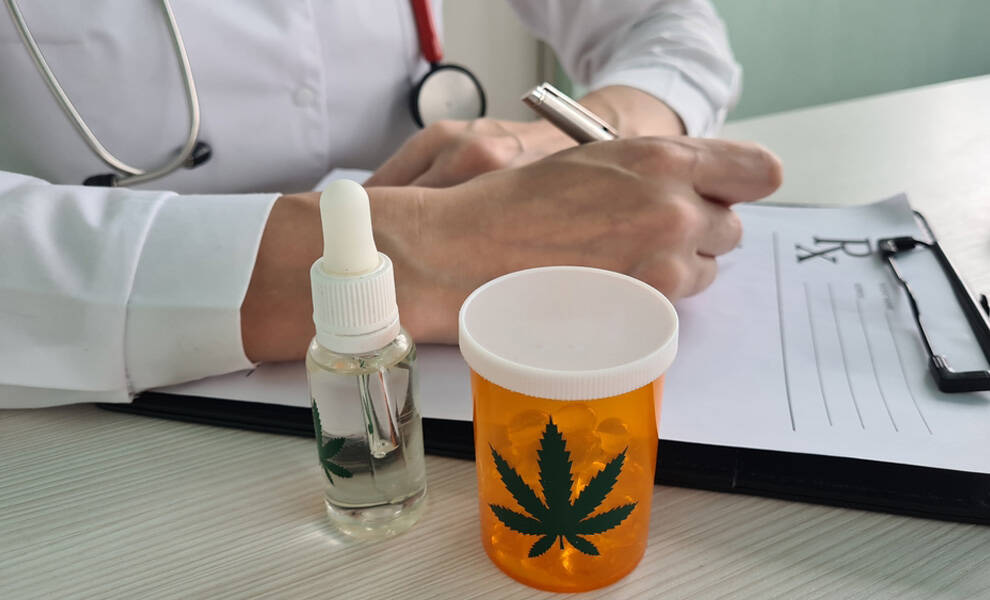
Medical marijuana rescheduling may expand research and healthcare opportunities
Experts participating in the MMERI forum also emphasized the potential impact the new Schedule III classification could have on medical research and educational initiatives throughout Florida universities and healthcare institutions.
Public health expert Dr. Shamerial Roberson explained that the reclassification may help organizations like MMERI strengthen efforts tied to public education, medical awareness, and research initiatives focused on cannabis use and patient safety.
Terel Newton noted that many universities and nonprofit organizations previously faced regulatory barriers that made cannabis research difficult or inaccessible. According to Newton, the federal change could create significantly more opportunities for academic research, scientific studies, and healthcare innovation moving forward.
“There will be many opportunities opened for research,” Newton stated during the discussion.
Experts also discussed the possibility that insurance providers may become more willing to reimburse patients for certain medical marijuana-related treatments or expenses in the future. While insurance coverage remains limited today, healthcare observers say the Schedule III designation could gradually influence how insurers evaluate cannabis-related medical care.
Florida physician Dr. Mark Moore noted that the change may also increase physician referrals connected to medical marijuana treatment programs. However, he cautioned that banking restrictions and federal regulatory uncertainty still create significant operational challenges for cannabis-related businesses.
Readers interested in additional South Florida healthcare and public policy reporting can also explore Calle Ocho News healthcare coverage and community reporting focused on public awareness initiatives examining issues affecting Miami-Dade County residents.
Why medical marijuana policy changes matter for South Florida residents
The federal reclassification discussion reflects broader conversations taking place throughout Florida regarding public health policy, medical research, healthcare accessibility, and cannabis regulation.
Medical marijuana programs continue expanding throughout Florida, with thousands of patients participating in state-approved treatment systems connected to chronic pain, neurological disorders, cancer-related symptoms, PTSD, and other qualifying medical conditions. At the same time, healthcare professionals and policymakers continue debating how cannabis should be regulated, researched, taxed, and integrated into existing healthcare systems.
Supporters of the Schedule III change argue the move could improve scientific understanding of cannabis while creating safer and more standardized treatment practices. Others say federal uncertainty still leaves important legal and operational questions unresolved for businesses, researchers, healthcare providers, and patients alike.
The discussion also highlights the growing importance of public education and medically accurate information as cannabis-related policies continue evolving nationwide.
Additional reporting tied to healthcare policy, public education, and South Florida wellness initiatives can also be explored through additional stories on CalleOchoNews.com as Florida’s medical marijuana landscape continues changing.
As Florida and the nation continue reevaluating cannabis policy, the recent Schedule III reclassification proposal may represent a major turning point for medical research, patient access, healthcare conversations, and public awareness throughout South Florida. Subscribe to Calle Ocho News to Get weekly Miami updates and continued coverage on healthcare, policy, public education, and community developments throughout Miami-Dade County. Want to feature your business? Contact Pressnet Corp. for advertising, sponsorship, and partnership opportunities, and continue exploring related stories on CalleOchoNews.com.