
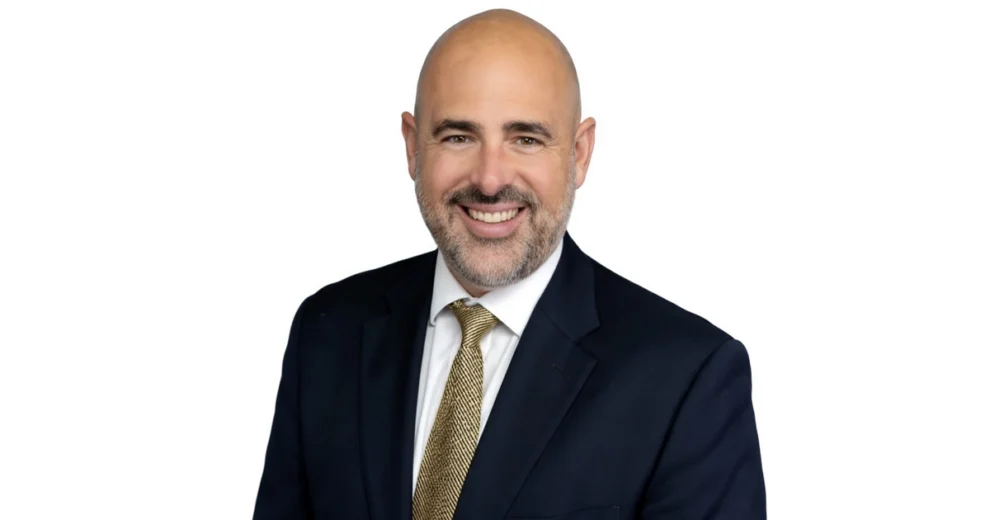
The Circuit Judge Group 5 candidate discusses his legal career, approach to judicial fairness, Miami-Dade upbringing, and personal journey of recovery ahead of the August 18 election
Miami-Dade County voters will select among three candidates for an open Circuit Judge seat in Group 5 during the August 18, 2026, Primary Election. Alex Annunziato, a trial and appellate attorney with experience in law enforcement, criminal defense, local government, and civil litigation, is seeking the position alongside Arthur LeMar “Marty” McNeil and Monica Segura, according to the county’s official ballot. The judicial contest is nonpartisan and appears on ballots regardless of a voter’s political-party affiliation.
In written responses provided to Calle Ocho News, Alex Annunziato presented his candidacy as the continuation of a career shaped by public service and exposure to several parts of the justice system. He also addressed the principles he says would guide him on the bench, the importance of serving Miami-Dade County’s multicultural population, and his experience in long-term recovery.

Alex Annunziato’s Experience and Approach to Judicial Service
Born and raised in South Florida, Alex Annunziato attended Miami-Dade County Public Schools and was raised by immigrant parents in a Spanish-speaking household, according to his campaign biography and responses to Calle Ocho News. His professional background includes service as a police officer, Florida Highway Patrol lieutenant, U.S. Coast Guard Reserve officer, assistant public defender, local-government attorney, civil litigator, and adjunct professor at the Miami-Dade School of Justice.
Annunziato said seeing the justice system from different perspectives has shaped how he views the responsibilities of a judge.
He reported trying more than 40 criminal and civil cases to verdict, including 26 jury trials, and working on approximately a dozen appeals involving two district courts of appeal and the Florida Supreme Court. He also said he provided pro bono representation in family, dependency, and immigration matters through the Dade County Bar Association’s Put Something Back program.
According to Annunziato, those experiences reinforced the significance of court proceedings for people facing vulnerable or life-changing circumstances.
“Every case matters deeply to the people involved,” he said. “A judge must know the law, prepare thoroughly, manage the courtroom effectively, and treat everyone with dignity.”
Annunziato said his interest in the law developed while he was working as a police officer and attending law school. His experiences in law enforcement, military service, criminal defense, government, and civil litigation eventually led him to pursue a judicial position.
He described patience, sound judgment, humility, courage, and an understanding of the consequences of judicial decisions as qualities that judges should bring to the bench.
When addressing difficult decisions, Annunziato said the law and evidence must take priority over personal preference, political pressure, public opinion, or the identity of the people appearing before the court.
“Fairness does not necessarily mean that everyone receives the outcome they wanted,” he said. “It means that the process was honest, the rules were applied equally, and the decision was supported by the law and the evidence.”
Annunziato also emphasized judicial independence, saying judges must be willing to issue difficult or unpopular decisions when required by law. He said rulings should be explained clearly so the parties understand both the outcome and the legal reasoning supporting it.
Florida’s circuit courts are trial courts that hear matters including felony criminal cases, family-law disputes, juvenile cases, probate matters, civil disputes involving larger monetary amounts, and appeals from county court in certain circumstances. Florida’s county and circuit judges are elected, although the governor may appoint replacements when vacancies arise between elections.
Diversity, Recovery and the Responsibilities of the Bench
Miami-Dade County’s cultural and linguistic diversity was another central theme in Annunziato’s responses. He said growing up in an immigrant household helped him understand the different experiences residents may bring into a courtroom.
People interacting with the justice system may speak different languages, come from different cultural backgrounds, or have limited familiarity with court procedures. Annunziato said those differences should never affect the fairness, patience, or dignity extended to them.
“A judge must understand the community while applying the same law equally to everyone,” he said. “Every person who enters a courtroom should feel that they were seen, heard, respected, and given a fair opportunity to present their position.”
Language access and cultural awareness have particular relevance in the Eleventh Judicial Circuit, which serves Miami-Dade County through civil, criminal, family, probate, juvenile, traffic, and other court divisions. The circuit provides court information and services in English, Spanish, and Haitian Creole, reflecting the multilingual needs of the region.
Annunziato also shared that he is in long-term recovery from addiction, describing the experience as a major influence on his understanding of accountability, compassion, and personal change.
He said there was a period when he felt lost and without hope, but that faith, family, accountability, and a disciplined recovery program transformed his life. He characterized his experience as evidence that people can recover and should not necessarily be defined permanently by the lowest point in their lives.
“Compassion and accountability are not opposites,” Annunziato said. “Real recovery requires both.”
His disclosure introduces a broader question that courts and communities regularly confront: how the justice system can enforce laws and protect public safety while recognizing rehabilitation, treatment, and the possibility of meaningful change.
Annunziato said that, as a judge, he would apply the law and impose accountability when required while continuing to recognize the humanity of the people appearing before him.
When asked what he hopes residents would remember about his public service, he identified preparation, fairness, compassion, and respect. He said litigants should feel they had a genuine opportunity to be heard, attorneys should know their arguments were studied, and jurors should know their time and service were valued.
Miami-Dade’s August 18 ballot identifies Annunziato as one of three candidates seeking the Circuit Judge, 11th Judicial Circuit, Group 5 position. The Florida Division of Elections lists him as a qualified candidate for the office.
As voters evaluate candidates for the judiciary, professional experience, knowledge of the law, courtroom management, impartiality, temperament, and respect for due process remain central considerations. Judicial elections may receive less attention than other contests, but the decisions made by trial-court judges can directly affect individuals, families, businesses, public agencies, and communities throughout Miami-Dade County.
Subscribe to Calle Ocho News for weekly Miami-Dade updates covering elections, public service, community leadership, and issues affecting South Florida residents. Contact Pressnet Corp. for advertising, sponsorship, and partnership opportunities.