
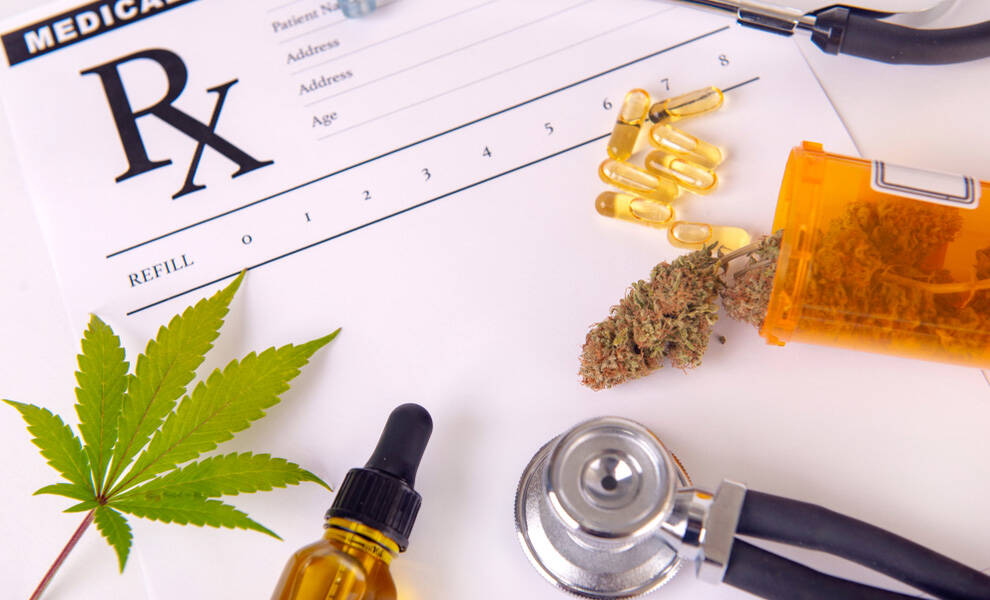
A federal shift in how medical marijuana is categorized could expand research, impact healthcare, and reshape conversations across South Florida
A major shift in federal drug policy is drawing national attention and sparking new conversations in Miami-Dade County, where public education and community awareness around healthcare continue to evolve. Medical marijuana has been reclassified as a less dangerous drug under a new order signed by U.S. officials, moving it from Schedule I to Schedule III under federal guidelines. While this change does not legalize marijuana at the federal level, it marks a significant step that could influence healthcare access, research, and policy discussions across South Florida.
What the marijuana reclassification means under federal law
The reclassification places state-licensed medical marijuana into the same category as substances with moderate to low potential for dependence, such as certain pain medications and treatments like ketamine and testosterone. Previously, marijuana was categorized alongside drugs considered to have no accepted medical use and a high potential for abuse.
This shift aligns federal classification more closely with existing state laws, where medical marijuana is already widely permitted. However, cannabis remains illegal at the federal level, and the change does not legalize recreational use nationwide or allow unregulated commercial sales.
Federal officials have indicated that this move may open the door to expanded scientific research and could ease regulatory and tax burdens currently affecting the cannabis industry. A formal review process is still ongoing, with further hearings expected as agencies evaluate broader changes.
How the change could impact South Florida communities
For Miami-Dade County residents, the reclassification may have both immediate and long-term implications. Expanded research could provide more clarity around the medical benefits and risks of cannabis, helping healthcare providers make more informed decisions.
At the same time, public health experts continue to emphasize caution. According to national health data, medical marijuana use has been linked to mental health concerns, impaired judgment, and potential risks for younger populations and pregnant individuals. These considerations remain central to ongoing community education efforts in South Florida.
The policy shift also reflects broader national trends. Marijuana remains one of the most widely used federally illegal substances in the United States, with millions of Americans reporting use. Many states have already legalized medical and recreational cannabis, creating a complex legal landscape that continues to evolve.
As discussions move forward, local leaders, healthcare providers, and residents in Miami-Dade County will play a key role in shaping how these changes are understood and implemented at the community level.
As federal policy continues to evolve, understanding the implications of marijuana reclassification is essential for residents across Miami-Dade County. From healthcare access to public safety and research advancements, this shift represents a significant moment in national policy with local impact.
Readers are encouraged to subscribe to Calle Ocho News for continued coverage on public health and policy developments. Organizations interested in connecting with the community can contact Pressnet Corp. for advertising and partnership opportunities.