
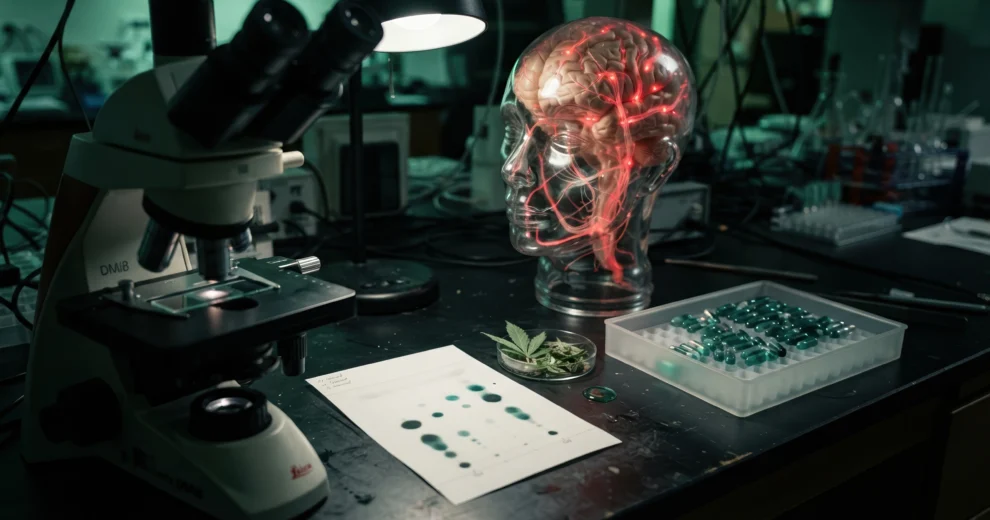
Research continues to connect stronger THC products, frequent use and adolescent exposure with a greater likelihood of serious mental-health complications
As cannabis products become more potent and widely available, healthcare professionals are urging consumers to understand the possible connection between high concentrations of tetrahydrocannabinol, or THC, and psychosis.
THC is the principal psychoactive compound responsible for the intoxicating effects commonly associated with cannabis. Although cannabis affects people differently, research has found that the likelihood of certain mental-health complications may increase with more frequent use, earlier exposure and products containing higher concentrations of THC.
The issue is especially relevant for adolescents and young adults because the brain continues developing into the mid-20s. It also matters in Florida, where qualified patients have access to medical marijuana and consumers may encounter products that vary significantly in strength, formulation and method of use.
“We are beginning to accept the fact that cannabis is not free of complications,” said Dr. Barry Gordon, founder and chief medical officer of Compassionate Cannabis Clinic in Venice, Florida.
Gordon discussed the relationship between cannabis and psychosis as part of an educational initiative from Florida A&M University’s Medical Marijuana Education and Research Initiative, known as MMERI.
What Research Says About Cannabis and Psychosis
Psychosis is a condition in which a person loses some contact with reality. Symptoms can include hallucinations, delusions, paranoia, severely disorganized thinking and difficulty recognizing what is real. Psychosis can appear as part of several psychiatric disorders, result from substance use or arise through a combination of biological and environmental factors.
Cannabis use does not mean that every consumer will develop psychosis. However, the Centers for Disease Control and Prevention reports that people who use cannabis are more likely to develop psychosis and long-lasting psychiatric conditions, including schizophrenia. The association is stronger among people who begin using cannabis at an earlier age or use it more frequently.
A 2026 study published in JAMA Health Forum examined adolescent cannabis use and the later risk of psychotic, bipolar, depressive and anxiety disorders. The observational findings identified an association between cannabis use during adolescence and a higher likelihood of receiving psychiatric diagnoses in early adulthood.
An association does not, by itself, prove that cannabis directly caused each diagnosis. Researchers must account for other factors, including genetics, family history, trauma, social conditions, the presence of earlier symptoms and the possibility that some people use cannabis to cope with an emerging mental-health condition. Nevertheless, the findings add to an expanding body of evidence identifying youth cannabis use as a public-health concern.
Potency is another important part of that discussion. A research review published in The Lancet Psychiatry found that higher-potency cannabis use was associated with increased risks of psychosis and cannabis use disorder compared with lower-potency use.
The amount of THC in a product can vary considerably. Concentrates used through vaping or dabbing may expose a person to much higher THC levels than some cannabis flower. Edibles can also present risks because their effects may take longer to appear, sometimes leading consumers to take an additional dose before the first one has reached its full effect.
People may not always understand how the concentration listed on a product translates into an appropriate amount for them. Medical authorization does not eliminate the possibility of side effects, interactions or overconsumption. Patients should follow their recommended treatment plans and speak with a qualified healthcare professional before changing the dose, potency or method of use.
Recognizing Warning Signs and Responding Safely
Gordon said he emphasizes additional caution for patients younger than 25 because their brains are still developing. He advises younger patients not to exceed their recommended treatment plans and encourages families to pay attention to meaningful changes in daily functioning.
Warning signs may include increasing paranoia, confused or disorganized speech, unusual beliefs, hearing or seeing things others do not, withdrawing from family or friends, neglecting personal care, missing work or school and experiencing major changes in sleeping or eating patterns. No single behavior automatically establishes that someone is experiencing psychosis, but a cluster of sudden or escalating symptoms warrants professional attention.
A person experiencing these symptoms may be frightened, suspicious or unable to understand the concern expressed by others. Family members and friends should remain calm, avoid arguing aggressively about what the person believes and seek guidance from a medical or mental-health professional as soon as possible.
“If you observe an imminent danger to themselves or others, then you need to intervene immediately,” Gordon said. “That is a 911 call.”
When no immediate danger is present, an evaluation by a physician, psychiatrist or other qualified mental-health professional can help determine whether the symptoms may be connected to cannabis, another substance, an underlying psychiatric condition or a separate medical problem. Consumers should be honest about the products used, their THC concentrations, frequency of use and any other medications or substances involved.
Reducing risk also requires accurate labels, child-resistant packaging, verified testing and strict age protections. Gordon said regulated access can help consumers understand what they are using, but regulation cannot replace careful medical guidance or awareness of individual risk factors.
People with a personal or family history of psychosis, schizophrenia or other serious psychiatric disorders should discuss those factors with a qualified healthcare professional before using cannabis. Young people, pregnant individuals and patients taking medications that may interact with cannabis also require particular caution.
MMERI’s virtual Cannabis Conversations forum features Gordon discussing “Cannabis and Psychosis” as part of the initiative’s public-education programming. The broader message is neither that every form of cannabis use will lead to mental illness nor that legal or medical access makes every product harmless. As THC concentrations increase, consumers need clear information about potency, personal vulnerability and the warning signs that require professional help.
Subscribe to Calle Ocho News for weekly Miami-Dade updates.
Contact Pressnet Corp. for advertising, sponsorship and partnership opportunities.