
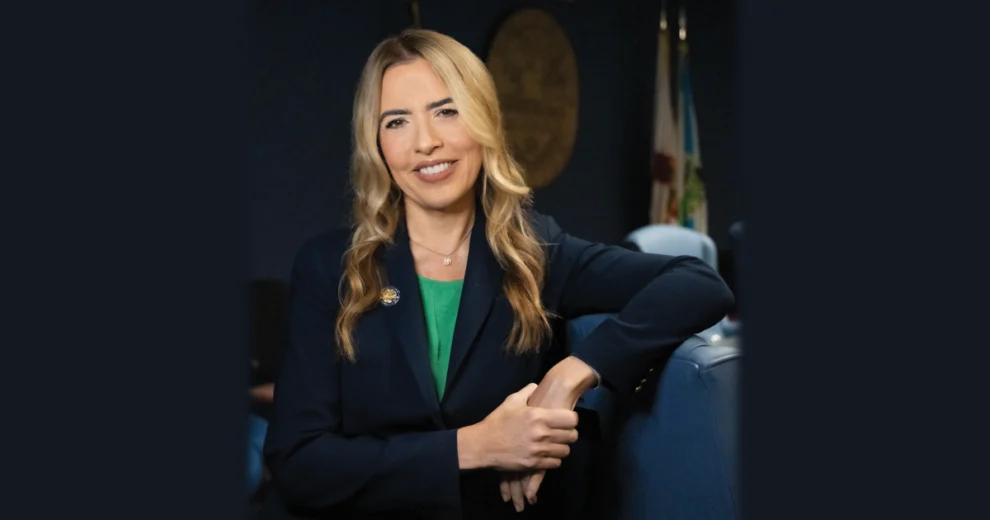
For Miami-Dade County Commissioner Raquel Regalado, National Disability Employment Awareness Month is an opportunity to move the conversation about inclusion beyond awareness and toward something more tangible: jobs
Observed nationally each October, National Disability Employment Awareness Month recognizes the contributions of workers with disabilities while encouraging employers to create more inclusive workplaces. In Miami-Dade, Commissioner Raquel Regalado is using the occasion to focus attention on employment, internships, workforce training and the practical support that can help connect people with disabilities to meaningful careers.
The issue is both public and personal for Commissioner Raquel Regalado. As the mother of two autistic children, she has spent years advocating for greater inclusion while also experiencing many of the challenges families encounter as their children move through school and prepare for adulthood.
That experience has helped shape her approach to disability policy. Employment, she argues, is a critical part of independence, but getting someone hired requires more than encouraging businesses to be inclusive. Employers and prospective employees need tools that can help make the relationship successful.
That includes helping businesses understand how internships can work, providing appropriate workplace training and explaining the role of job coaches who can support employees as they learn responsibilities and adjust to a new environment.
For employers unfamiliar with disability employment, uncertainty can itself become a barrier. Questions about interviewing, training, accommodations or communication may discourage a business from considering candidates it otherwise might hire. Education and support can help remove some of that hesitation.
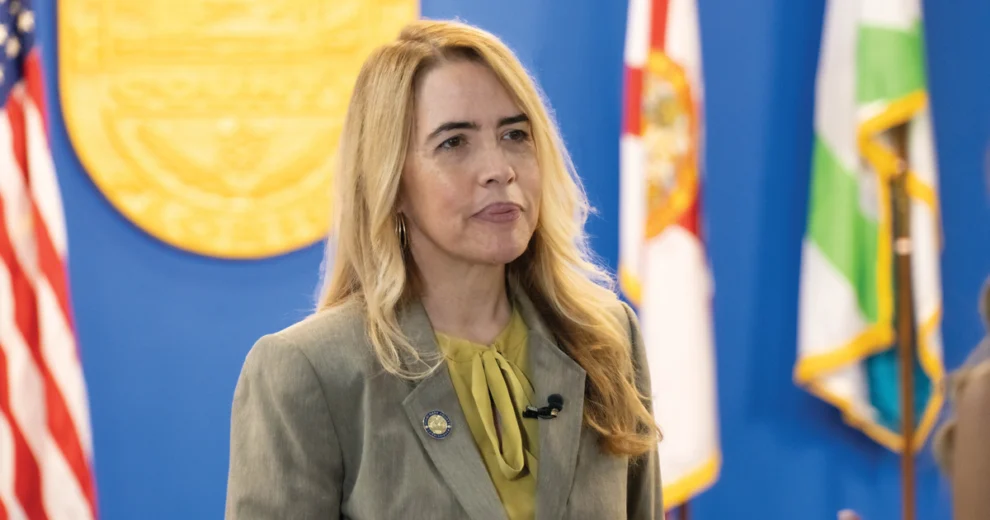
Commissioner Raquel Regalado is Turning Awareness into Employment Opportunities
Commissioner Raquel Regalado also points to advantages employers may overlook when recruiting neurodivergent workers and people with disabilities. Among the qualities she has emphasized are loyalty, a strong work ethic and longevity with an employer — characteristics that can be particularly valuable at a time when many businesses struggle with employee turnover.
The broader goal is not simply to convince businesses to hire someone because that person has a disability. It is to help employers recognize talent, understand the resources available to them and match individuals with jobs in which their skills can contribute to the organization.
Partnerships with the business community are an important part of that effort. Connecting employers with organizations experienced in training, job placement and disability services can provide businesses with guidance before and after a hire. It can also help job seekers prepare for interviews, understand workplace expectations and develop skills that translate into long-term employment.
Commissioner Raquel Regalado's focus on employment is part of a wider push toward neuroinclusion in Miami-Dade. County initiatives in recent years have addressed accessibility and inclusion across government services, public safety, transportation and community spaces, reflecting the reality that residents with disabilities interact with nearly every part of county life.
Employment represents another essential piece of that equation. A community may improve accessibility to buildings, transportation and public programs, but adults with disabilities also need pathways to participate in the economy and build greater independence.
That becomes especially important for families as young people age out of school-based services. Parents who spent years navigating educational programs can suddenly face a different set of questions: What happens after graduation? Where can their young adult work? Who will help prepare them? Which employers are willing to provide an opportunity?
For Commissioner Raquel Regalado, those questions are not abstract. Her experience raising two autistic children gives the issue a family perspective that extends beyond government programs and policy discussions.
National Disability Employment Awareness Month provides a natural moment to bring employers into that conversation, but the challenge continues throughout the year. Building an inclusive workforce ultimately depends on creating connections among businesses, government, service organizations, families and job seekers.
For Miami-Dade employers, the first step may simply be becoming more open to candidates they have not traditionally considered. With appropriate training and support, disability employment can become less about making an exception and more about recognizing a workforce that has too often been overlooked.
Inclusion becomes most meaningful when it creates opportunity — and for many Miami-Dade residents with disabilities, an opportunity to work can also be an opportunity for greater independence, stability and participation in the community.
Subscribe to Calle Ocho News for weekly Miami-Dade updates. Contact Pressnet Corp. for advertising, sponsorship and partnership opportunities.