
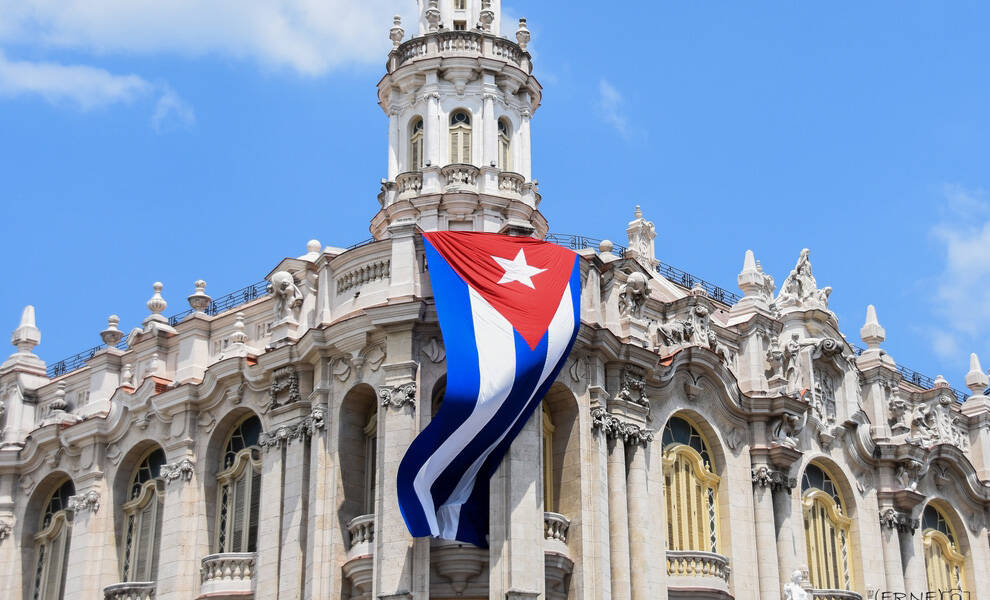
Rising economic pressure, migration, and global shifts are fueling new conversations about Cuba’s future and its direct impact on South Florida
In Miami-Dade County, where generations of families remain deeply connected to Cuba, the question of whether the island is finally approaching freedom after more than six decades has taken on renewed urgency. Across South Florida, conversations around public education, policy, and community awareness are increasingly shaped by developments tied to Cuba’s political and economic reality. While no official transition has been declared, recent events are prompting many to ask: is meaningful change closer than ever?
Why Cuba’s current crisis is fueling talk of freedom
Cuba is currently experiencing one of the most severe economic crises in its modern history. Widespread shortages of food, medicine, and fuel—combined with persistent power outages—have significantly affected daily life on the island. These conditions have contributed to growing frustration among citizens and an increase in outward migration.
The ripple effects are strongly felt in South Florida. Miami-Dade County continues to receive new arrivals, many seeking stability and opportunity after leaving Cuba. These migration patterns are not only reshaping communities but also intensifying discussions about the island’s long-term political future.
At the same time, international dynamics are evolving. Countries such as China and Russia maintain strategic relationships with Cuba, adding complexity to any potential shift. Meanwhile, policies from the United States continue to influence economic conditions on the island through longstanding sanctions and restrictions.
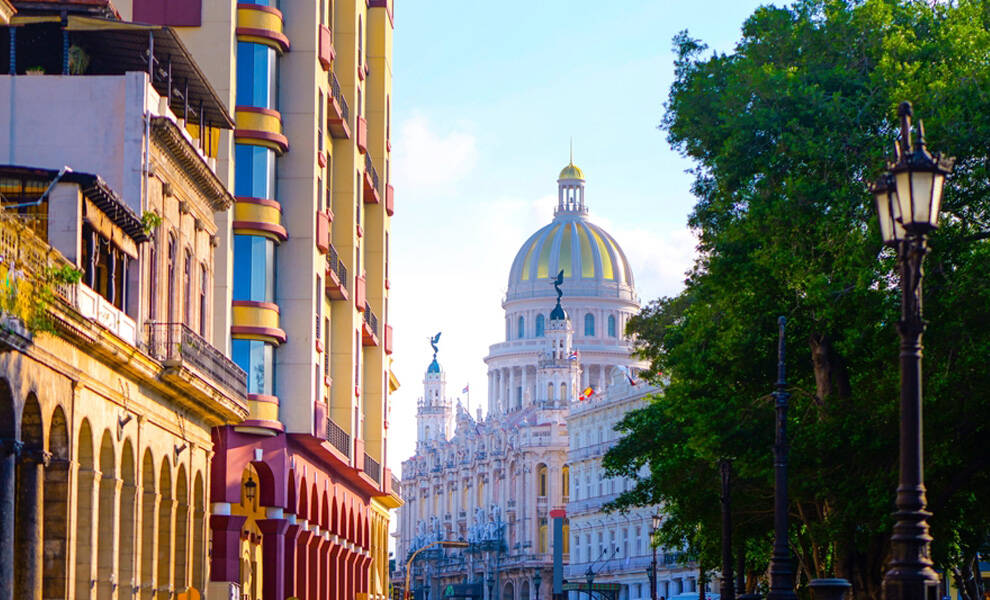
What “freedom” could look like and why Miami is watching closely
For many in the Cuban-American community, the idea of a “free Cuba” carries both emotional and political meaning. It could imply democratic reforms, expanded economic opportunities, or increased civil liberties. However, any transition would likely be gradual and complex rather than immediate.
Miami’s role in this conversation is unique. As a global hub for Latin American diaspora communities, the region serves as both a cultural bridge and a policy influence center. Local leaders, business owners, and residents all have a stake in what happens next.
Potential changes in Cuba could affect:
- Family reunification and travel policies
- Trade and economic partnerships
- Migration patterns into South Florida
- Cultural and media exchanges
For now, while Cuba has not officially reached a point of political transformation, the growing momentum of internal and external pressures is undeniable. As conversations about Cuba’s future continue to evolve, Miami-Dade County remains at the center of the dialogue—shaped by history, family ties, and shared identity. Whether or not a turning point is imminent, the topic remains critical for understanding the region’s social and economic landscape.
Readers are encouraged to subscribe to Calle Ocho News for continued coverage and updates on this issue, and local businesses or organizations interested in reaching a highly engaged audience can contact Pressnet Corp. for advertising and partnership opportunities.