
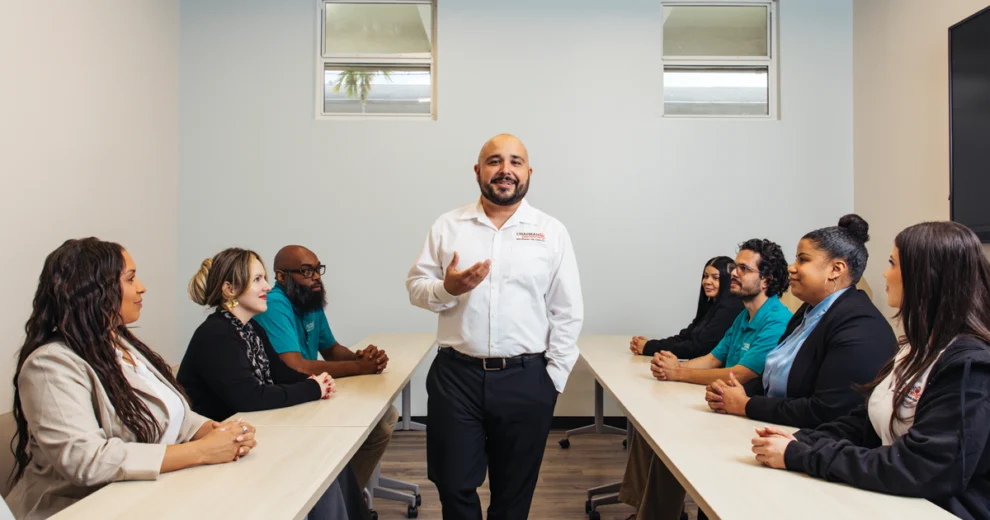
For Chapman Partnership's workforce leader Alex Paz, helping someone secure a job is only the beginning; lasting stability comes from restoring opportunity, earning power and confidence
In Miami-Dade County, homelessness does not always begin with long-term unemployment or an absence of professional skills. It can begin with an illness, the death of a spouse, an unexpected expense, the loss of a job or housing costs that suddenly become impossible to absorb. For Alex Paz, Vice President of Education & Workforce Development at Chapman Partnership, understanding that reality is essential to addressing homelessness because the path toward stability requires more than finding someone a place to sleep. It requires understanding what interrupted that person's life and helps build a realistic path toward independence.
Paz's perspective has been shaped by a career that has taken him through hospitals, public schools and community service. Across those settings, he said he repeatedly encountered people at pivotal moments and came to understand how closely education, employment, health and stability are connected. That experience now informs his work at Chapman Partnership, where he oversees education and employment programs, including CP Works, while also leading community relations efforts and developing partnerships intended to connect residents with opportunities beyond the organization.
The deeper challenge, however, extends beyond any one organization. In a region where working families can face significant financial pressure, Paz wants Miami-Dade residents and employers to reconsider assumptions about who experiences homelessness and what it takes to recover from it. His central message is that a person's housing crisis does not erase the education, professional experience, work ethic or potential that existed before it.
A Leadership Philosophy Built Around Seeing the Person First
Paz's relationship with Chapman Partnership began not with a job application, but with a tour of its Downtown Miami campus. He went there to learn about the organization and, as he now jokes, "I never left." What captured his attention was an approach to homelessness that he saw as extending beyond emergency shelter. He found an organization attempting to connect housing with healthcare, employment, education, family support and other resources that can influence whether someone is able to regain stability.
That philosophy closely reflects the lesson Alex Paz says he carried from his earlier work: meaningful service begins by seeing the individual before seeing the circumstance. When a person or family arrives at Chapman, he said the goal is to understand the particular circumstances that brought them there and develop an individualized path forward. Depending on the situation, that can involve housing assistance, healthcare, meals, employment and education services, family support or connections to additional resources. For families with children, their well-being and development become part of that broader stability plan.
The distinction becomes especially important in workforce development. Someone may be qualified and motivated to work yet still be unable to navigate obstacles that most employed people rarely have to consider. Paz pointed to transportation, professional clothing, childcare, identification documents, access to a phone or computer and even finding a quiet place to prepare for an interview as barriers that can interfere with employment. Others may have gaps in their work histories or professional licenses and credentials that expired during periods of instability.
One story has remained particularly meaningful to him. Paula, a registered nurse, came to Chapman after the illness and death of her spouse. During that period, she fell behind on continuing education requirements and her nursing license expired. She had professional experience and wanted to return to nursing, but the disruption in her life created another obstacle to financial stability. Chapman's team helped her complete the necessary Continuing Education Units and navigate the license-reinstatement process. She eventually returned to nursing and, according to Alex Paz, now works as a registered nurse for a major health system.
Her experience illustrates a point that can easily disappear from public conversations about homelessness: sometimes the person who needs workforce assistance does not need to discover an entirely new career. They may need help returning to one they spent years building.
"Sometimes people do not need a new path," Paz said. "They simply need support getting back to the one they worked so hard to build."
For Paz, that is also why employment alone is an incomplete measure of success. A first available job may provide immediate income, but sustainable independence can require education, certifications, financial literacy, career development and opportunities to increase earning potential. The objective is not simply to move someone into employment as quickly as possible, but to help that person develop the tools to support themselves and their family after they leave Chapman's services.
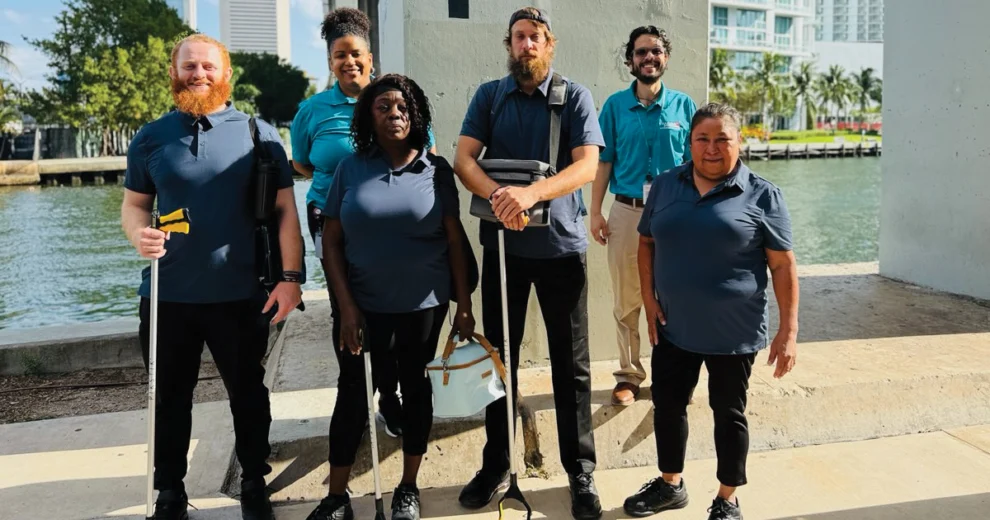
Why Miami-Dade Employers are Part of the Path to Stability
Alex Paz believes employers and small-business owners have a significant role in that process because workforce development eventually has to connect with actual economic opportunity. Businesses can participate through employment, internships, apprenticeships, mentoring, training or by working with CP Works for workforce needs. For Chapman, those relationships can create a bridge between the preparation taking place within its programs and the opportunities available throughout Miami-Dade's economy.
That partnership can begin at a surprisingly small scale. Paz stressed that a business does not have to be a major corporation to make a difference. A small employer willing to consider one qualified candidate can potentially affect far more than one paycheck because stable employment can influence housing, family security and a person's ability to plan beyond the immediate crisis.
"Sometimes one opportunity for one person can change the direction of an entire family," Alex Paz said.
His message is particularly relevant to working families who may never imagine themselves needing homelessness services. Paz cautioned against treating homelessness as something affecting one recognizable type of person. Professionals, parents, and people who have worked throughout their lives can find themselves destabilized by job loss, medical emergencies, unexpected expenses, or a sudden increase in housing costs. For Miami-Dade's Hispanic and multicultural communities, where extended families often carry financial responsibilities across generations, knowing when and how to seek assistance can help prevent an already difficult situation from becoming more severe.
Paz also urged people not to wait until every option has disappeared before asking what resources may be available. "Asking for help is not a sign of failure," he said. "Sometimes it is the first and most important step toward regaining stability."
Looking ahead, Alex Paz wants to expand career pathways, skills development, CP Works and partnerships across the community. That ambition reflects a broader way of thinking about homelessness: emergency assistance can help someone survive an immediate crisis, but education, employment and earning potential can determine what happens after it. For Paz, the measure of progress is therefore not simply whether someone finds a job or leaves a shelter, but whether that person has regained enough stability and opportunity to build what comes next.
"Homelessness is a circumstance, not an identity," Alex Paz said, emphasizing that the people Chapman serves bring talent, experience, ambitions and potential with them even during periods of instability. In a region where a financial or housing emergency can change a family's circumstances quickly, that distinction matters. It shifts the conversation from what happened to someone toward what becomes possible when barriers are removed and opportunity returns. Subscribe to the Calle Ocho News newsletter for more reporting on the people and issues shaping Miami-Dade County, and contact Pressnet Corp. for advertising and partnership opportunities.