
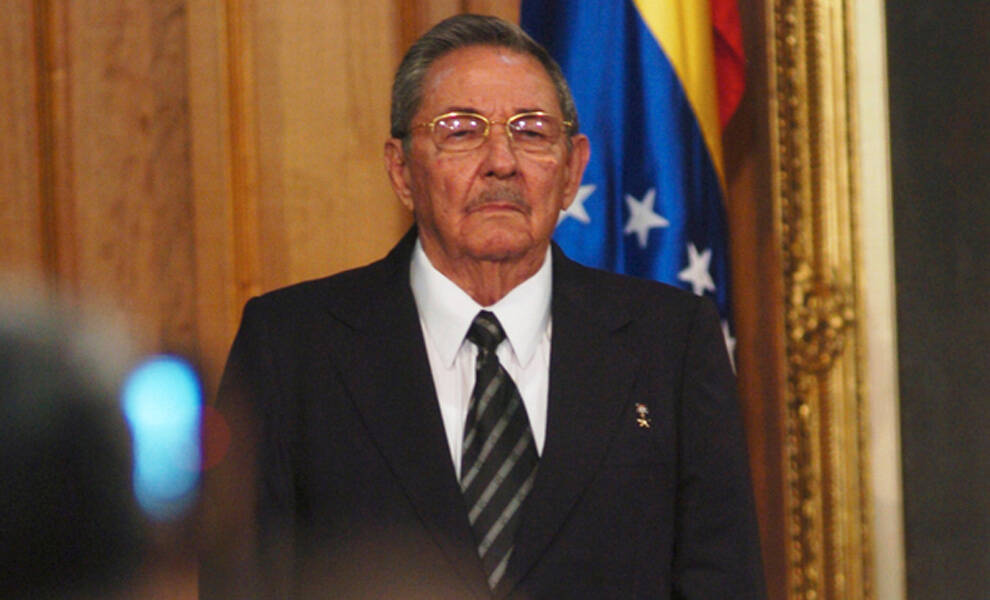
The federal indictment tied to the 1996 Brothers to the Rescue shootdown was unsealed May 20 during an event held at Miami Dade College’s Freedom Tower, reigniting powerful emotions throughout Miami’s Cuban exile community
Miami-Dade County and South Florida’s Cuban exile community were once again placed at the center of a deeply emotional and historic moment Tuesday after the federal indictment against Raúl Castro connected to the 1996 Brothers to the Rescue shootdown was officially unsealed on May 20 — Cuba’s Independence Day, widely known throughout the Cuban community as “20 de Mayo.”
The event took place at the Miami Dade College Freedom Tower at, one of the most symbolic landmarks tied to the Cuban exile experience in the United States. For many Cuban-Americans throughout Miami, the combination of the Castro indictment announcement, the historic location, and the anniversary of Cuban independence gave the moment extraordinary emotional and political significance.
The indictment relates to the deaths of Armando Alejandre Jr., Carlos Costa, Mario de la Peña, and Pablo Morales after two civilian aircraft operated by Brothers to the Rescue were shot down over international waters by Cuban MiG fighter jets nearly 30 years ago.
For many residents across South Florida, the legal development represented far more than a courtroom matter. It reignited decades-long conversations surrounding justice, accountability, exile history, and the enduring emotional impact of one of the most painful events in Miami’s Cuban exile legacy.
The timing of the announcement on “20 de Mayo” further intensified public reaction because the date has historically symbolized Cuban sovereignty, democratic aspirations, and national identity for generations of Cuban exiles living in Miami-Dade County.
Why the Brothers to the Rescue tragedy remains deeply personal in Miami
Nearly three decades later, the Brothers to the Rescue shootdown continues carrying enormous emotional weight throughout Miami’s Cuban-American community because of the organization’s humanitarian mission and symbolic role within exile history.
Founded to help locate Cuban rafters stranded at sea, Brothers to the Rescue became widely respected throughout South Florida for its rescue efforts and advocacy surrounding freedom and human rights in Cuba.
The 1996 attack shocked Miami’s exile community and dramatically escalated tensions between the United States and Cuba. Since then, family members, advocacy organizations, and community leaders have continued calling for accountability connected to the incident.
The decision to unseal the indictment during an event at Miami Dade College’s Freedom Tower added another layer of symbolism because the landmark has long served as one of the most recognized symbols of Cuban immigration and exile identity in the United States.
Political observers say the moment also reflects Miami’s continuing influence on national conversations surrounding Cuba policy, historical memory, and exile advocacy.
Readers interested in additional public affairs and community reporting can also explore related coverage through Calle Ocho News politics coverage and community and historical reporting from Calle Ocho News examining South Florida’s Cuban-American legacy and public affairs conversations.

The broader significance for South Florida and exile politics
The indictment is expected to generate major international attention while renewing conversations surrounding U.S.-Cuba relations, authoritarian governments, political accountability, and unresolved historical tensions connected to the Cuban government.
For many younger residents throughout Miami-Dade County, the renewed public discussion surrounding the Brothers to the Rescue tragedy is also becoming an educational moment tied to Cuban exile history and the events that helped shape South Florida’s cultural and political identity.
Community leaders throughout South Florida continue emphasizing the importance of preserving historical memory and ensuring future generations understand the significance of moments like the Brothers to the Rescue shootdown and the broader Cuban exile experience.
Many observers believe the unsealing of the Castro indictment specifically on Cuba’s Independence Day transformed the event into more than a legal announcement — turning it into a symbolic moment connected to remembrance, justice, and the enduring ideals of freedom associated with “20 de Mayo.”
The event also reinforced the continued importance of Miami as a national center for conversations surrounding Cuba, exile politics, democracy movements, and international human rights advocacy.
Additional stories tied to Cuban-American history, South Florida politics, and public affairs can also be explored through South Florida political and community reporting from Calle Ocho News as reactions to the indictment continue unfolding across Miami.
As reactions continue developing across South Florida, the unsealing of the Raúl Castro indictment during an event at Miami Dade College’s Freedom Tower on Cuba’s Independence Day is once again placing Miami at the center of a historic conversation surrounding justice, memory, and the enduring legacy of the Cuban exile experience. Subscribe to Calle Ocho News to Get weekly Miami updates and continued coverage on politics, culture, public affairs, and community developments throughout South Florida. Want to feature your business? Contact Pressnet Corp. for advertising, sponsorship, and partnership opportunities, and continue exploring related stories on CalleOchoNews.com.