
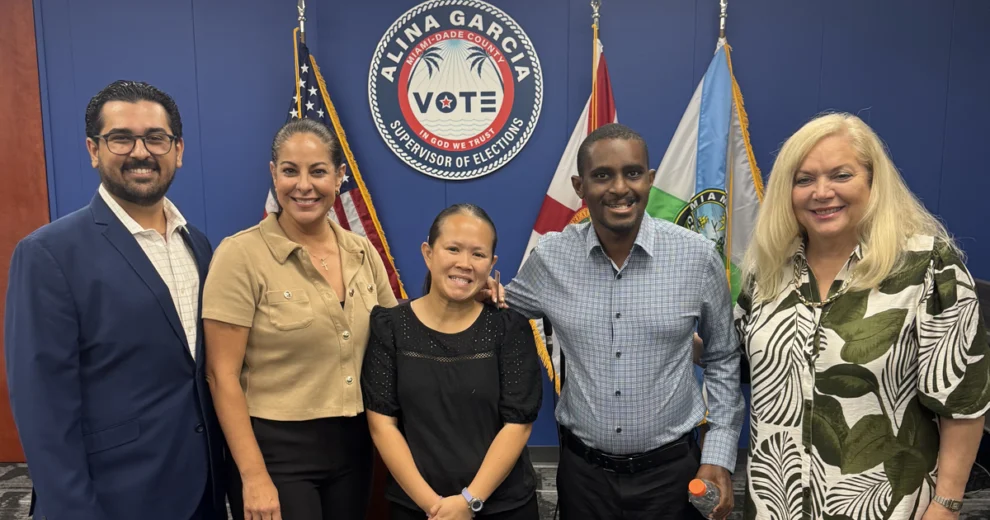
Supervisor of Elections Alina Garcia and Commissioner Raquel Regalado emphasized that meaningful electoral access begins before a voter arrives at the polls
Miami-Dade Supervisor of Elections Alina Garcia joined County Commissioner Raquel Regalado and community advocates at Elections Headquarters on September 21 to encourage neurodiverse residents to register and participate in the November 3 General Election. The public outreach came two weeks before Florida’s October 5 voter-registration deadline and focused on ensuring that residents understand both their voting rights and the assistance available through the county.
The event placed neurodiverse voters within a broader conversation about accessible elections. While accessibility is often associated with ramps, voting machines and other physical accommodations, meaningful access can also depend on understandable instructions, predictable procedures, trained election workers and clear information provided before Election Day.
Garcia has identified accessibility as one of the guiding principles of the Miami-Dade Elections Department, together with security, accuracy and transparency. The county’s official calendar confirms that residents must register by October 5 to participate in the November 3 General Election.
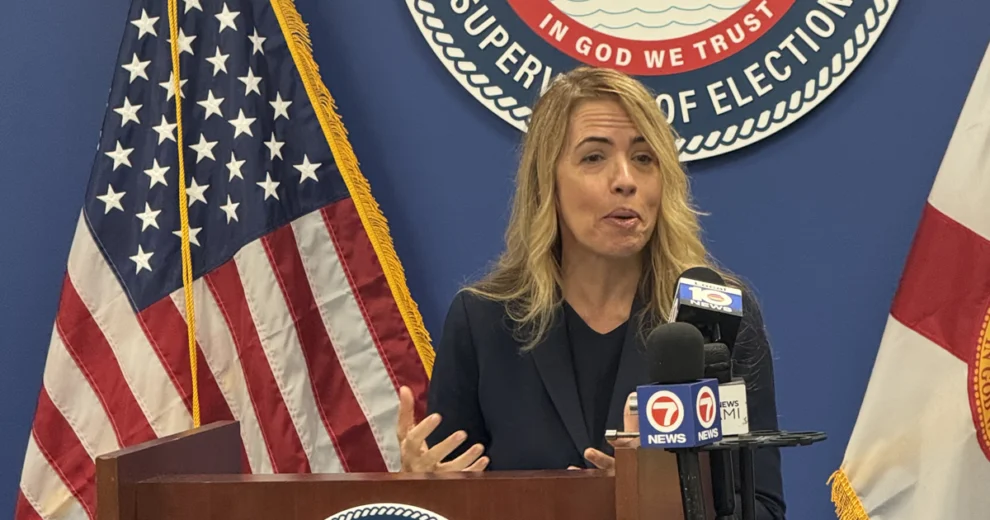
Accessible Voting Begins with Clear Information and Preparation
Neurodiversity describes the natural differences in how people process information, communicate, learn and experience their surroundings. The term can include autistic people and individuals with ADHD, dyslexia, sensory-processing differences and other neurological variations. Not every neurodivergent person identifies as having a disability, and individual accommodation needs can vary significantly.
For some voters, unfamiliar surroundings, crowds, noise, unexpected questions or complicated instructions may make the voting process more difficult. Those barriers do not affect a person’s right to participate. Instead, they demonstrate why election information and procedures should be designed to serve residents with different communication, sensory and processing needs.
The September 21 event encouraged neurodiverse residents and their families to become familiar with the election process before voting begins. That preparation can include registering before the deadline, confirming that the voter’s name and address are current, reviewing a sample ballot and deciding whether to vote by mail, during Early Voting or at an assigned precinct on Election Day.
Miami-Dade provides three voting methods for registered voters: Vote-by-Mail, Early Voting and Election Day voting. Residents voting on November 3 must report to their assigned precinct, while Early Voting allows eligible voters to use any designated county location during the announced voting period.
Residents who have not yet registered can use Florida’s online voter-registration system or submit a signed application. Applications are also available through the Elections Department, public libraries, driver license offices and agencies serving people with disabilities. Family members may deliver completed applications to the Elections Department or its branch office in Downtown Miami.
The October 5 deadline applies to new registrations for the General Election. Residents who are already registered should still confirm their address, assigned precinct and other information. The county’s online voter-information tool allows voters to review their records, find their polling locations, view a customized sample ballot and check a Vote-by-Mail request.
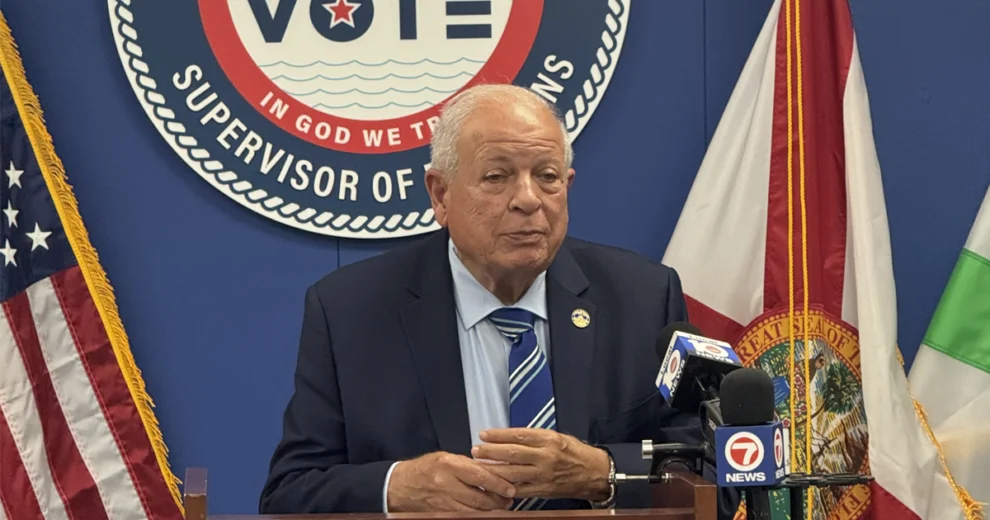
Miami-Dade Offers Assistance and Accessible Voting Options
Miami-Dade says all voting locations comply with Americans with Disabilities Act standards. Polling sites offer paper-based voting systems with touchscreen, audio and sip-and-puff capabilities intended to help voters with different physical, visual and communication needs cast their ballots.
Qualified voters with disabilities may also request an accessible Vote-by-Mail ballot delivered electronically. The system allows the voter to review and mark selections on a computer before printing the ballot. Florida law does not permit electronic ballot return, so the completed ballot must still be returned using the required paper materials and received by the Elections Department no later than 7 p.m. on Election Day.
A voter who needs help completing a ballot may also request assistance. The Elections Department explains that voters using this option may need to complete a Declaration to Secure Assistance. Seeking assistance does not diminish a person’s right to make independent voting decisions, and the person providing help cannot substitute personal choices for those of the voter.
Election materials and ballots are available in English, Spanish and Haitian Creole, and bilingual workers are assigned to polling locations. The county also provides accessible telecommunications services and a dedicated telephone number for registration assistance for voters with special needs. Residents with questions about general voting procedures can contact the Elections Department at 305-499-VOTE.
Regalado’s participation connected the voting initiative with her broader advocacy for neuroinclusive public services. As the mother of autistic children, she has worked on programs intended to make government agencies and community spaces more responsive to residents who communicate, learn or process their surroundings differently.
That perspective is particularly relevant during elections because accessible voting involves more than whether a person can physically enter a building. A process may satisfy basic physical requirements while remaining confusing or overwhelming for someone who benefits from advance preparation, direct language or a more predictable experience.
Families and support organizations can help by sharing accurate information and encouraging eligible residents to review the process early. However, the voter must remain at the center of every decision. Neurodivergent adults are individuals with their own political opinions, priorities and legal rights, and outreach should support their participation without directing how they vote.
The September 21 event served as an early reminder that registration is the first step in electoral participation, but it is not the final measure of access. As November 3 approaches, the effectiveness of Miami-Dade’s efforts for accessible voting will depend on whether voters can understand their options, obtain needed accommodations and cast their ballots with privacy, confidence and independence.
Subscribe to Calle Ocho News for weekly Miami-Dade updates. Contact Pressnet Corp. for advertising, sponsorship and partnership opportunities.