
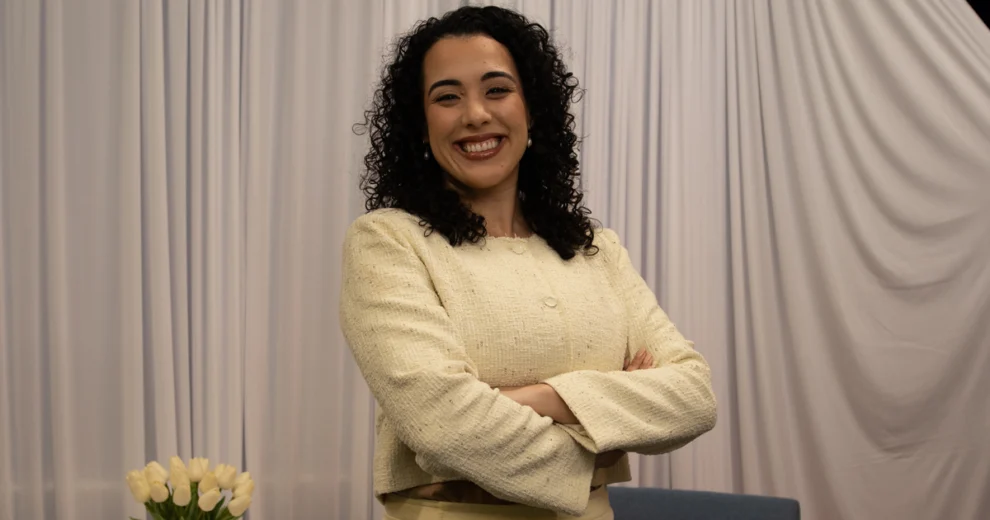
In an exclusive Calle Ocho News Conversations interview, the District 38 senator discusses homeownership, property tax relief, family expenses and her priorities ahead of the November 3 election
Florida Senator Alexis Calatayud says Miami-Dade's affordability crisis is threatening something more fundamental than household budgets: the ability of families to remain close to one another across generations. In an exclusive one-on-one interview with Calle Ocho News Conversations, the District 38 Republican discussed proposals to reduce property tax burdens, expand access to homeownership and address childcare, healthcare and insurance expenses as she seeks another term in the Florida Senate.
With the November 3 election approaching, Calatayud described affordability as a challenge affecting young adults entering the housing market, parents raising children and seniors trying to remain in longtime homes. Her proposals focus on targeted financial assistance and changes to state programs, although several would require additional legislation, funding or changes to existing tax rules before residents could benefit.
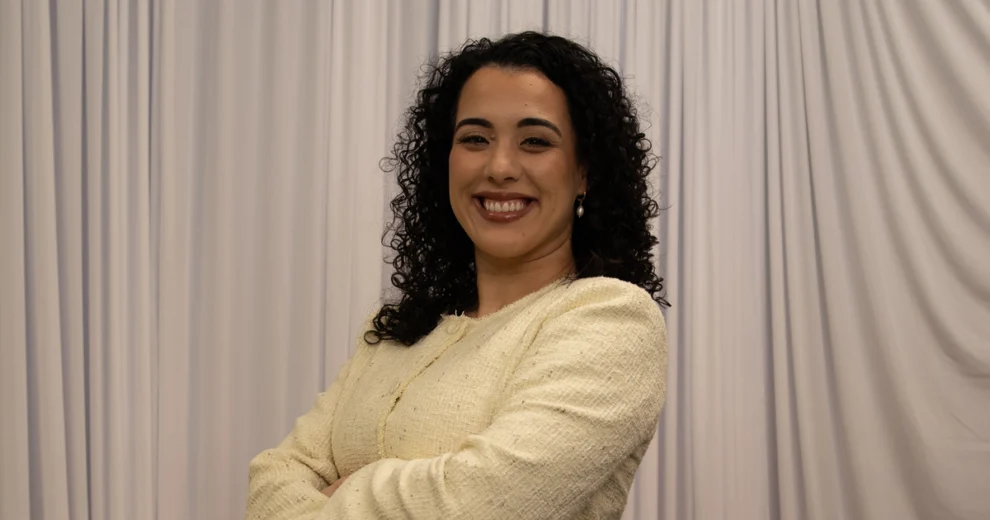
Homeownership and Property Taxes Lead Alexis Calatayud's Affordability Agenda
Alexis Calatayud identified Florida's Hometown Heroes housing assistance program as one of the central accomplishments of her legislative work. She said the program has helped approximately 20,000 families purchase their first homes over three years and described its assistance as a zero-interest loan of up to $35,000. She also cited approximately $300 million in state investment over four years.
The senator said the program has evolved from broader income-based eligibility toward assistance for qualifying workers in designated occupations, including education, healthcare and public safety. Exact eligibility, funding availability and repayment requirements depend on the program's current rules, which prospective buyers should review before applying.
For Calatayud, helping residents purchase a home addresses only part of the affordability problem. She argued that property tax costs can make it difficult for first-time buyers to sustain homeownership, particularly when their tax bills differ substantially from those of longtime neighbors.
She proposed examining a system that would provide targeted relief for first-time homebuyers and allow property tax burdens to increase more gradually. She also advocated additional protections for older homeowners with low or moderate incomes.
Under Florida's Save Our Homes system, annual increases in the assessed value of qualifying homestead property are generally capped at 3% or the rate of inflation, whichever is lower. That limit applies to assessed value rather than guaranteeing that an owner's total property tax bill cannot rise by more than 3%.
Calatayud suggested studying whether qualifying seniors could receive reductions in their property tax burdens after reaching a certain age. She mentioned possible thresholds of 65, 70 or 75, emphasizing that the details should be informed by data and focused on residents who need financial relief.
She also called for expanding the portability of homestead assessment benefits, arguing that some older homeowners remain in houses larger than they need because moving could result in higher property taxes. Changes to Florida's constitutional property tax framework would require the appropriate legal and legislative process.
Beyond housing, Alexis Calatayud discussed efforts to expand access to subsidized children's health insurance and childcare. She highlighted changes to Florida KidCare eligibility and several childcare initiatives, including expanded School Readiness eligibility, employer-related tax incentives and a proposed pathway for families to gradually transition away from subsidized care as their incomes rise.
The underlying concern, she said, is that families can face financial setbacks when modest increases in earnings cause them to lose benefits they still need. She described a goal of designing assistance programs that support economic mobility rather than creating abrupt financial consequences for accepting promotions or higher-paying jobs.
Legislative Record and Priorities Ahead of November Election
Alexis Calatayud connected those household concerns to Miami-Dade's business community, arguing that employers face challenges when workers cannot afford housing or childcare near their jobs. She also discussed her support for eliminating Florida's tax on commercial rent, a change she characterized as particularly important for smaller businesses that lease their locations.
The interview extended to housing and healthcare assistance for veterans and seniors. Calatayud described state investments intended to help finance below-market-rate housing and discussed funding for veteran healthcare services through Nova Southeastern University. She cited approximately $24 million over four years for access to services including dental, vision, primary care and behavioral health, figures presented as part of her account of the funding initiatives.
She also highlighted efforts to support military and historical institutions in Miami-Dade, including the Miami Military Museum and the Bay of Pigs Museum. Calatayud said both of her grandfathers were Bay of Pigs veterans, giving her a personal connection to preserving the history of that generation.
Asked to assess her legislative record, Calatayud pointed to education, environmental protection and healthcare access alongside affordability. She discussed her opposition to a proposal that would have lowered the voting threshold for changing Miami-Dade's Urban Development Boundary, which helps regulate the expansion of development toward environmentally sensitive areas.
She said she worked with legislators from both parties to oppose that measure. The senator also cited an effort to secure $30 million for HIV medication access after identifying a potential treatment funding gap affecting thousands of Floridians. Those figures and outcomes reflect her statements during the interview and warrant comparison with legislative and agency records when evaluating her record.
Looking toward another term, Calatayud said her priorities include additional homeownership assistance, targeted property tax changes, solutions to rising property insurance costs and continued investment in education and environmental protection.
She emphasized Biscayne Bay and Everglades restoration, arguing that Miami-Dade needs sustained state support to address environmental challenges affecting the region's quality of life. Her comments also addressed flooding and storm resilience, issues that can affect both household costs and long-term housing security.
The senator described herself as a Republican guided by conservative principles while emphasizing her willingness to work across party lines. In her closing remarks to independent and undecided voters, she argued that her record should be judged by her efforts to secure funding and address local concerns rather than by party identification alone.
Her claims of legislative accomplishments, funding totals and political independence are part of her campaign-era account of her record; they are not, by themselves, independent evaluations of her effectiveness. Voters can assess those statements alongside legislative records, the positions of other candidates and the practical details of her proposals.
For Miami-Dade residents, the interview highlighted the relationship between policies often considered separately: housing assistance, property taxes, childcare, healthcare and the availability of jobs. A household may receive help purchasing a home but still struggle to remain there if other expenses continue rising.
Alexis Calatayud's central argument is that keeping families in Miami requires policies addressing both the initial cost of establishing a household and the ongoing cost of maintaining one. As voters prepare for November 3, the question is which proposals can be implemented, how they would be funded and whether they would deliver meaningful relief to the residents facing the greatest financial pressure.
Subscribe to Calle Ocho News for weekly Miami-Dade updates.
Contact Pressnet Corp. for advertising, sponsorship and partnership opportunities.