
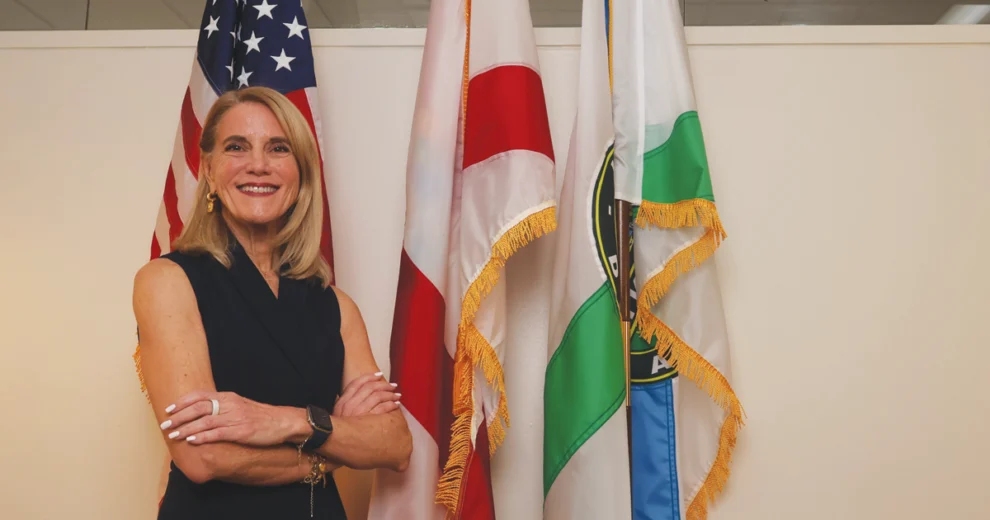
In an exclusive Calle Ocho News Conversations interview, the District 5 commissioner discusses rising living costs, public transportation, senior housing, neighborhood safety and the county's spending priorities
Miami-Dade County Commissioner Vicki Lopez says the growing difficulty of affording everyday life in Miami has become the most pressing concern facing residents of District 5, particularly older adults living on fixed incomes and workers struggling with housing costs. In an exclusive one-on-one interview for Calle Ocho News Conversations, Lopez discussed how county decisions involving transportation, public spending, housing and neighborhood enforcement are affecting families across downtown Miami, Brickell, Miami Beach and surrounding communities.
The conversation addressed several issues that residents encounter in their daily lives, including higher public transportation fares, the future of the free Metromover, illegal short-term rentals, access to veterinary care and food insecurity among seniors. Throughout the interview, Lopez returned to a central concern: whether government is doing enough to protect essential services while recognizing the financial pressure facing the people who depend on them.
Transit Fares, Housing Costs and the Pressure on Miami-Dade Residents
One of the interview's most consequential discussions centered on the county's decision to increase Metrobus and Metrorail fares by 50 cents. Lopez said she opposed the increase, arguing that county officials should have examined transportation spending more closely before asking riders to contribute more.
“I believe we should have looked within our own house, meaning the county, to find savings,” Lopez said.
She questioned whether the county had sufficiently reviewed transportation funding, including revenue associated with the half-penny transportation surtax, and argued that commissioners should have held a broader workshop to examine the system's financial and operational challenges.
Her objections extended beyond the fare increase itself. Lopez expressed concern about reduced midday service frequency and the possibility of charging passengers to use the Metromover, which serves downtown Miami, Brickell and surrounding areas within District 5.
Originally intended to help people travel through the central business district without relying on cars, the Metromover serves a wide range of passengers, including students, seniors, workers and visitors. Lopez argued that introducing fares could undermine that purpose, particularly when riders already face service reliability and accessibility concerns.
She described problems involving elevators, escalators and train operations, emphasizing that improving the system should be a priority before considering additional charges.
The broader affordability discussion resurfaced when Lopez addressed housing. She described the shortage of affordable homes as District 5's leading challenge, warning that Miami's economic growth could become difficult to sustain if the people who work in the community can no longer afford to live there.
According to Lopez, her office regularly hears from seniors who are struggling to remain in their homes. She called for expanding affordable senior housing and pursuing additional federal support for rental assistance programs, including Section 8.
Her comments highlighted a difficult reality for older residents: unlike younger workers who may be able to seek additional employment, many retirees have limited opportunities to increase their income when housing, food and transportation costs rise.
Lopez said she wants to bring those concerns directly to federal officials and demonstrate the extent of local demand for affordable housing assistance.
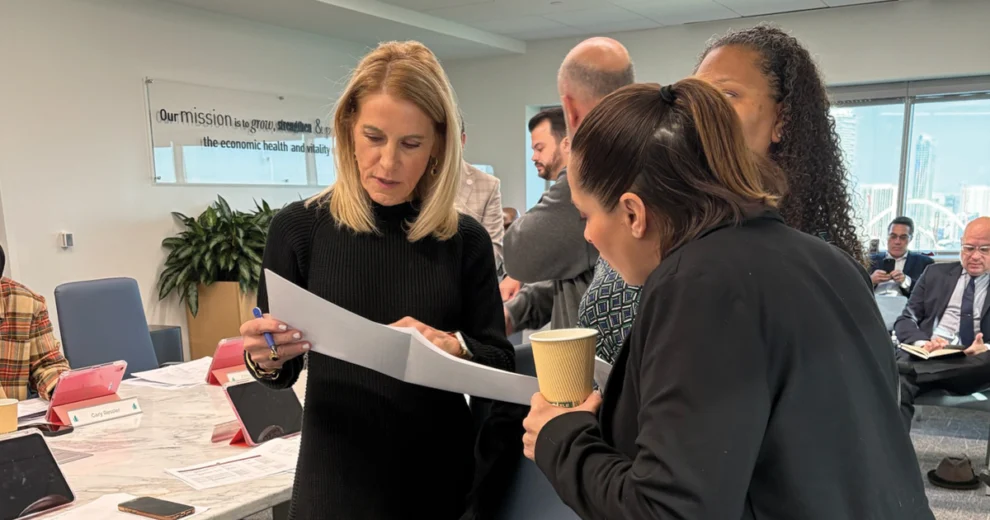
Public Safety, Community Services and a Call for Budget Reform
The interview also examined complaints involving short-term rentals in Brickell condominium buildings. Lopez said residents have reported problems involving unauthorized rentals and inadequate enforcement of existing rules, raising concerns about building security and the responsibilities of condominium associations.
She alleged that some condominium board members have financial interests in short-term rental activity and described reports of drug activity and prostitution in affected buildings. Those claims were presented as her account of complaints and conditions; they were not independently established during the interview.
Lopez called for stronger enforcement by the City of Miami and said she intends to work with the next state representative for House District 113 to address residents' concerns. She also pointed to condominium rules requiring longer leases and background checks as examples of measures individual associations may use, subject to applicable law.
Other portions of the conversation focused on community programs that Lopez believes can provide direct assistance to residents.
She discussed the Wellness on Wheels mobile veterinary initiative at Flamingo Park in Miami Beach, describing access to examinations, vaccinations and referrals for discounted spay-and-neuter services. The program was scheduled to continue through December 23, and Lopez said she hopes to identify a mainland location for a future deployment.
She also discussed a $2,500 contribution to Miami Beach Veterans of Foreign Wars Post 3559 and her interest in working more closely with veterans to identify unmet needs, particularly housing, healthcare connections and the transition to civilian employment.
Food insecurity among seniors emerged as another major concern. Lopez described visiting senior residential buildings and encountering residents who struggle to afford groceries alongside medication and other necessities. She discussed partnerships with Mitzvah Kitchen Miami and other community organizations to distribute prepared meals and additional food to older adults.
The discussion eventually turned to the county's approximately $14 billion budget and how spending priorities are established. Drawing on her experience in the Florida Legislature, Lopez criticized what she considers an overly compressed county budget review process.
She proposed beginning departmental budget discussions earlier in the year, allowing commissioners to examine spending requests in greater detail before the final hearings. In her view, essential services such as transportation, public safety, water and sewer, and solid waste management should receive particular scrutiny and protection.
Lopez also acknowledged that changing the process would require leadership within the County Commission and attention to Florida's open-government requirements governing discussions among elected officials.
Taken together, the interview presented a picture of District 5 in which major policy decisions are closely connected to everyday household concerns. Transportation fares affect workers and retirees; housing shortages threaten long-term residents; and public spending determines which services remain available as costs rise.
For Lopez, the most urgent issue is affordable housing, particularly for seniors who have few alternatives when their expenses exceed their income. Her proposals for expanded assistance, earlier budget scrutiny and stronger enforcement now face the practical test of whether they can produce measurable improvements for residents.
As Miami-Dade continues to attract investment and new residents, the challenge she identified extends beyond District 5: ensuring that the people who built, serve and sustain the community can continue to call it home.
Subscribe to Calle Ocho News for weekly Miami-Dade updates.
Contact Pressnet Corp. for advertising, sponsorship and partnership opportunities.