
Cuba’s worsening fuel shortages, blackouts, and economic instability are raising growing concerns throughout Miami-Dade County as families with relatives on the island closely monitor what some experts fear could become an even deeper humanitarian crisis.
The situation intensified this week after Cuba’s government agreed to accept a $100 million humanitarian aid offer from the United States while simultaneously acknowledging the country has effectively run out of fuel and diesel supplies.
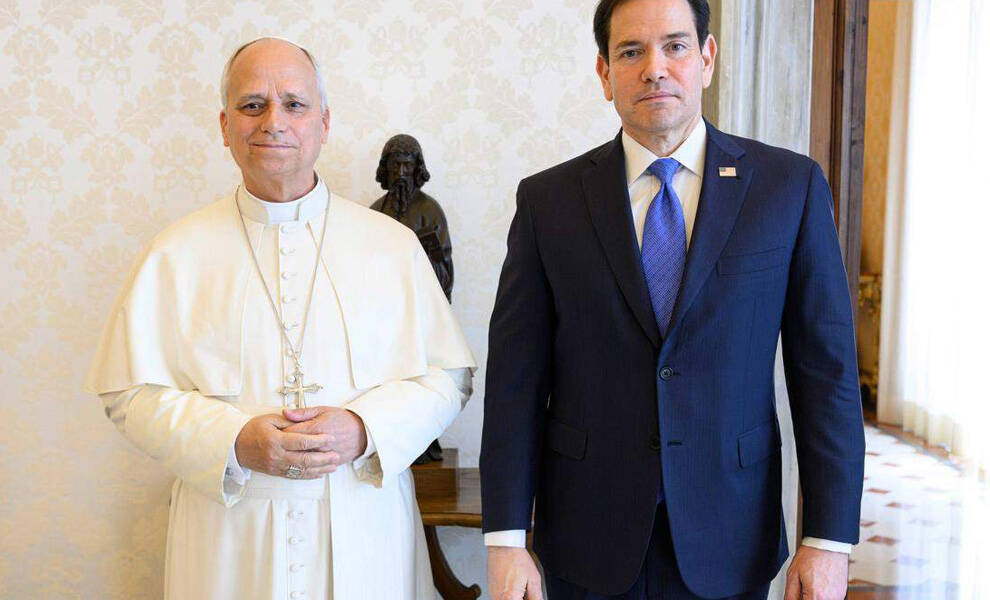
According to Cuban leader Miguel Díaz-Canel, the island would allow humanitarian assistance to enter the country if distributed under internationally recognized practices. The aid proposal was originally announced by U.S. Secretary of State Marco Rubio as conditions across Cuba continue deteriorating amid prolonged shortages, infrastructure failures, and widespread electrical outages.
For many South Florida residents, the developments are deeply personal. Miami-Dade County remains home to one of the largest Cuban American communities in the world, with thousands of families maintaining daily communication and financial support networks with loved ones still living on the island.
Fuel shortages and blackouts are worsening conditions across Cuba
The crisis escalated further after Cuba’s energy minister publicly admitted the country had “absolutely no fuel” and “absolutely no diesel” remaining during a televised appearance earlier this week.
In parts of Havana, residents reportedly endured blackouts lasting up to 48 hours as protests began surfacing in some neighborhoods frustrated by worsening living conditions.
Experts say Cuba’s energy problems are tied not only to aging power infrastructure but also to the loss of critical oil shipments from Venezuela and Mexico, which had previously helped sustain the island’s electrical grid and transportation systems.
Energy analysts now warn the island could face even larger electrical failures and blackouts if fuel supplies are not restored quickly. Jorge Piñón, an energy expert at the University of Texas at Austin, warned that Cuba could potentially experience a “super blackout” if conditions continue worsening.
Beyond electricity generation, the shortages are also affecting transportation, supply chains, hospitals, food distribution, and broader economic activity across the country.
The State Department said humanitarian aid distribution could potentially involve the Catholic Church and other independent humanitarian organizations. Díaz-Canel himself acknowledged that Cuba’s greatest immediate needs are “fuel, food, and medicines.”
Readers following developments surrounding Cuba’s economy and South Florida’s Cuban American community can also explore related reporting through Calle Ocho News coverage on immigration, public policy, and international affairs.
U.S.-Cuba tensions continue despite humanitarian aid agreement
While Cuba’s acceptance of humanitarian aid represents a rare moment of cooperation, broader tensions between Washington and Havana remain unresolved.
Reports indicate the Trump administration has continued pressing Cuba on political reform, economic liberalization, property claims tied to confiscated assets, and the release of political prisoners. Cuban officials, however, have repeatedly stated that political concessions are not currently being considered.
Secretary Rubio also recently expressed skepticism about whether meaningful economic reform can occur under Cuba’s current leadership structure.
At the same time, some reports suggest Cuban officials may be increasingly open to larger economic adjustments as the island attempts to avoid further economic collapse.
For many Miami-Dade families, however, the immediate concern is less about politics and more about the well-being of relatives facing blackouts, food shortages, transportation failures, and deteriorating daily living conditions.
As Cuba’s crisis continues evolving, many Miami-Dade County residents remain closely connected to the island through family, culture, and humanitarian concerns. Readers can Subscribe to Calle Ocho News for weekly Miami updates and continued reporting on Cuba, South Florida politics, immigration, and international affairs. Want to feature your business or organization? Contact Pressnet Corp. for advertising, sponsorship, and partnership opportunities, and continue exploring related stories on CalleOchoNews.com.