
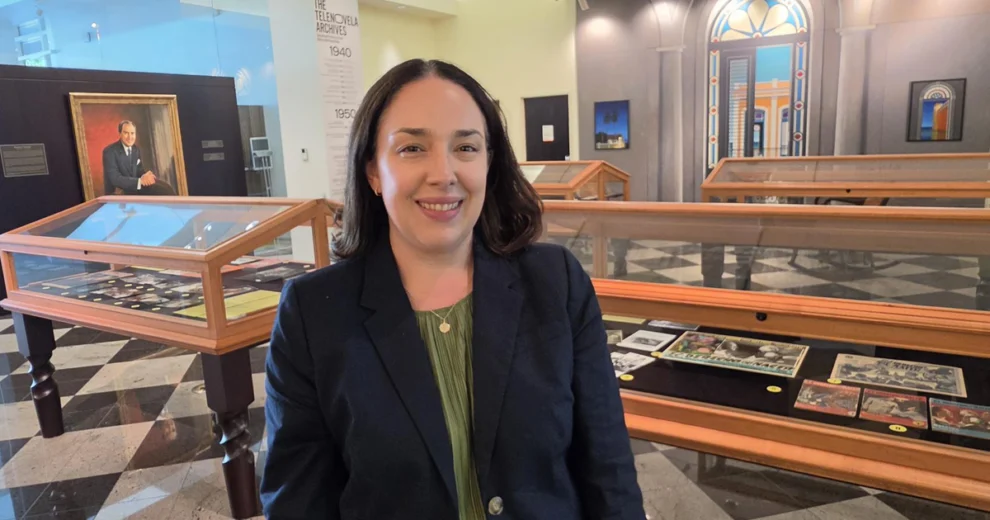
Family photographs, letters, recordings and personal papers tucked away in Miami homes may hold pieces of a much larger story about Cuba, exile and the generations that transformed South Florida
A box of old photographs stored in a closet or storage unit can easily be viewed as something meaningful only to the family that owns it. The same may be true of letters carried from Cuba, handwritten correspondence between relatives, newspapers saved after arriving in the United States, old records or videotapes that have not been played in decades. But those materials can also document migration, exile, family separation, cultural identity and the building of a new community in Miami-Dade County. At the University of Miami Libraries' Cuban Heritage Collection, preserving those seemingly ordinary pieces of family history has become an important part of safeguarding the broader historical record of Cuba and the Cuban diaspora.
Amanda T. Moreno-Schroeder, Esperanza Bravo de Varona Chair and Director of the Cuban Heritage Collection at the University of Miami, told Calle Ocho News that the archive contains more than 900 archival collections and more than 60,000 books and periodicals spanning Cuba and its diaspora’s history from the colonial period to the present. The materials are preserved not simply for scholars, but also for teaching, public research and families interested in exploring their own histories. Members of the public can use the collection by making an appointment in advance.
For Miami-Dade County, that work carries particular significance because the history of the Cuban diaspora is inseparable from the development of modern South Florida. Generations of Cuban exiles and their descendants have shaped the region's cultural identity, businesses, institutions and civic life, making the preservation of their experiences part of Miami's history as well. Calle Ocho News has continued documenting that legacy through coverage of events such as Cuba Nostalgia and its celebration of Cuban culture and memory and stories examining the Cuban community's influence on Miami.
Preserving Cuban History Before Family Records Disappear
The challenge facing families and archivists is not simply deciding what should be remembered; it is making sure the physical evidence survives long enough to be remembered at all. Moreno-Schroeder encouraged families to examine what they have in their homes, including correspondence, photographs, videotapes, records and other audiovisual materials. Those formats can deteriorate over time, while older recordings can become inaccessible as the equipment needed to play them disappears. Preserving them may mean caring properly for the originals, transferring recordings into formats that remain usable or considering whether the materials belong in an archive where they can eventually become accessible to researchers and the public.
The Cuban Heritage Collection's holdings demonstrate why such records matter. Among them are materials from the Cuban Refugee Center, the U.S. government organization that assisted Cuban refugees arriving during the major migration period of the 1960s and 1970s. Moreno-Schroeder explained that the collection does not contain individual immigration processing files for everyone who passed through the center. Instead, its holdings include papers, photographs, reports, newsletters, publications and other documents produced by the organization, creating a broader record of how Cuban refugees were received and assisted in the United States and in Miami.
Those institutional records tell one part of the story, while oral histories preserve something different: the experience of history in the words of the people who lived it. The Cuban Heritage Collection has conducted oral-history work since 2008, documenting personal testimony that can reveal emotions, experiences and perspectives that may not appear in conventional historical accounts. Moreno-Schroeder said the collection has worked with different groups within the diaspora, including dissidents and human-rights advocates, artists and business leaders, and is seeking support to continue expanding that work.
As members of the generation that experienced exile firsthand grow older, the combination of physical records and personal testimony becomes increasingly important. A family photograph may identify people, places and relationships that become difficult to reconstruct decades later. A letter may reveal what separation, migration or resettlement looked like from inside one household. An old recording may preserve a voice that future generations would otherwise never hear. Together, those personal records can add detail and humanity to the larger historical record represented throughout Calle Ocho News' Miami History coverage.
Moreno-Schroeder's advice to Miami families is therefore practical: look through what is already there before deciding it has no historical importance. She said she has visited storage units to examine collections that people have held onto and encourages families to consider how their materials might fit within the larger story of the Cuban diaspora. The significance of a document is not necessarily obvious to the person who has lived with it for decades, but what appears to be an ordinary family record today may help a future researcher understand how people worked, worshipped, built businesses, raised children, maintained cultural traditions or adapted to life in a new country.
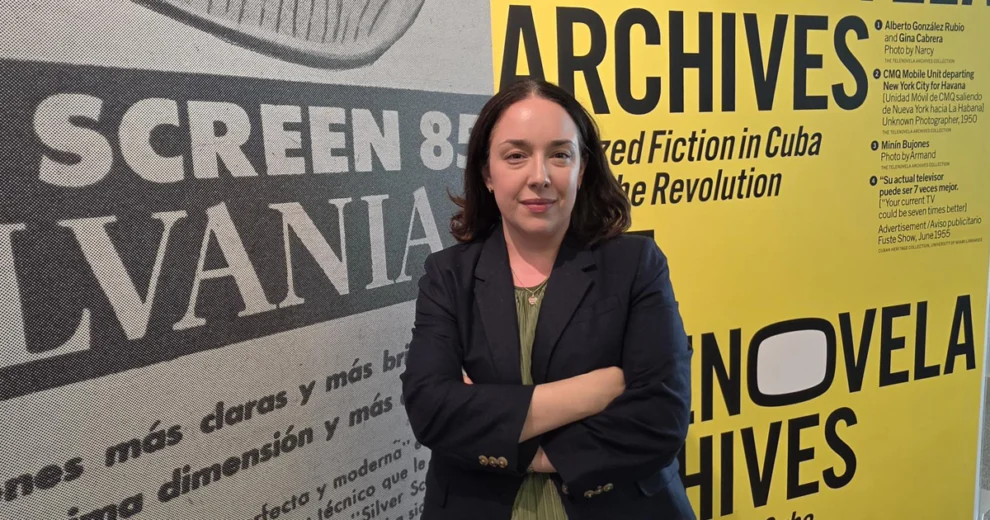
Why Everyday Cuban-American Stories Belong in the Historical Record
One of the most important messages to emerge from Moreno-Schroeder's conversation with Calle Ocho News is that a person does not need to have been famous for his or her papers to have historical value. The Cuban Heritage Collection preserves the records of prominent individuals, but it also seeks the experiences of everyday people and accepts family papers for consideration. By working directly with community members, the collection can identify materials that expand the historical record beyond political leaders, celebrated artists and other recognizable figures and capture how ordinary people experienced major historical changes.
Building a representative Cuban Heritage Collection archive also requires recognizing that there is no single Cuban diaspora experience. Moreno-Schroeder said the collection has actively documented different racial, ethnic and religious communities, including Afro-Cuban and Chinese-Cuban materials as well as records representing the Cuban Jewish community. That broader approach is important in a region as diverse as Miami-Dade because it allows future generations to encounter Cuban history through many experiences rather than through one dominant narrative.
Not every object offered to the Cuban Heritage Collection is automatically accepted. Moreno-Schroeder explained that staff members evaluate incoming materials, consider whether the collection already has similar items and examine their physical condition for problems such as mold or pests. They also consider potential research value, particularly whether correspondence, documents and other records can illuminate everyday life. Families who are unsure whether something is historically significant do not have to make that determination alone; she encouraged community members to speak with the collection about the materials they have and what may be appropriate for preservation.
That preservation work of the Cuban Heritage Collection also creates a bridge to younger Cuban Americans whose connection to Cuba may be very different from that of their parents or grandparents. Moreno-Schroeder described herself as Cuban American and strongly connected to her Cuban identity even though she has never visited Cuba. For younger generations, she said, the collection provides opportunities to investigate personal family histories as well as larger historical movements within the diaspora. Just as importantly, access to primary sources allows them to examine original evidence and develop their own understanding of the Cuban experience rather than simply inheriting someone else's interpretation of it. That may ultimately be one of the collection's most important contributions to Miami's future. Preserving Cuban history is not only about protecting what happened decades ago; it is about ensuring that the evidence remains available for people who have not yet begun asking questions about where their families came from. The photograph in a drawer, the letters in a box and the videotape in a storage unit may someday help a grandchild, historian or researcher understand an experience that would otherwise disappear.
As Miami-Dade continues to change, preserving those individual stories helps ensure that the Cuban diaspora is remembered through the lives of the many people who experienced it, not only through its most prominent figures. Subscribe to Calle Ocho News for weekly Miami-Dade updates, and contact Pressnet Corp. for advertising, sponsorship, and partnership opportunities.