
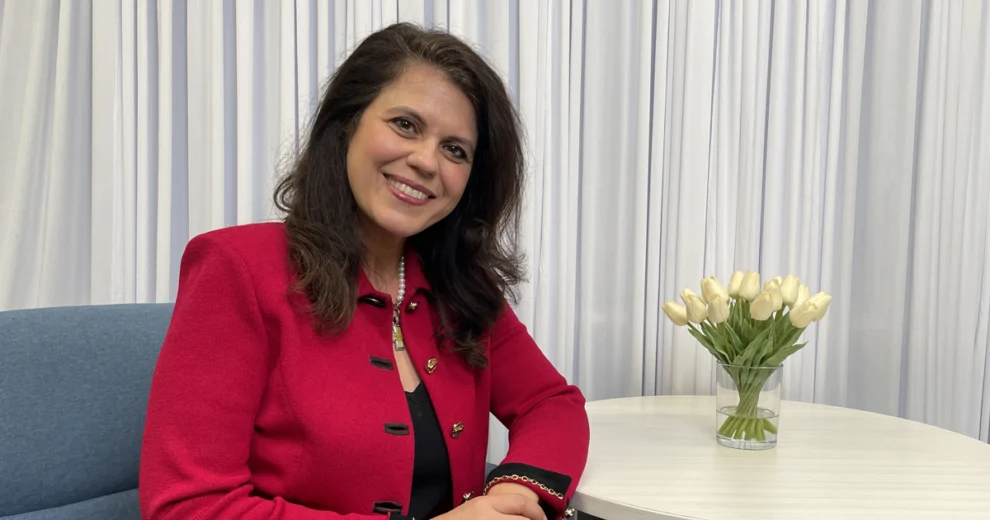
In an exclusive Calle Ocho News interview, the Florida lawmaker discusses household costs, environmental protection, healthcare, education and the priorities shaping her work in Tallahassee
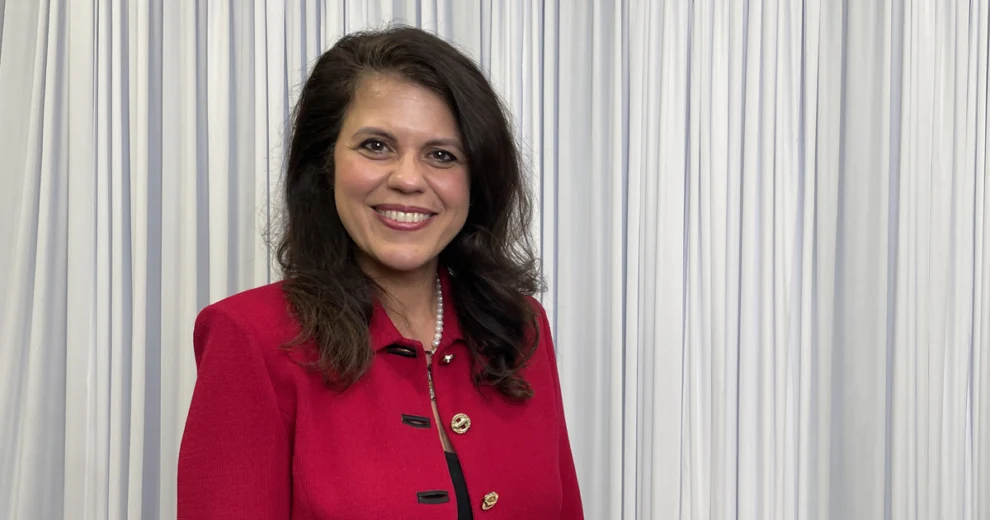
As South Florida families continue confronting high housing costs, property insurance premiums and financial pressures, Florida State Senator Ana Maria Rodriguez says affordability remains one of the most pressing concerns among the residents she represents. During a one-on-one interview with Calle Ocho News Editor-in-Chief Rosi Rosell, Rodriguez discussed the state's response to these challenges, the environmental priorities affecting Miami-Dade and Monroe counties, and her approach to public service.
The conversation offered an opportunity to examine how decisions made in Tallahassee affect everyday life in South Florida, from homeowners trying to manage insurance expenses to workers traveling long distances because they cannot afford to live near their jobs. Rodriguez also addressed education, access to healthcare, development near environmentally sensitive lands and employment opportunities for people with disabilities.
Representing a district that includes portions of Miami-Dade County and the Florida Keys, Rodriguez brings experience from multiple levels of government. The daughter of Cuban immigrants, she was born and raised in Miami-Dade and began her political career on the Doral City Council in 2010. She subsequently served in the Florida House of Representatives before joining the Florida Senate in 2020.
Her path into politics, she explained, was not part of an original career plan. Encouraged by a local elected official to seek a Doral council seat, she initially resisted the idea before deciding to pursue public office. That experience eventually led to a broader role in state policymaking.
Affordability and Property Insurance Remain Central Concerns
Rodriguez identified affordability as the issue she hears about most frequently when speaking with South Florida voters. She pointed to state tax relief measures, including the elimination of Florida's business rent tax and sales tax exemptions for certain school supplies and hurricane preparedness purchases, as examples of efforts intended to reduce expenses for businesses and households.
Property taxes were another significant part of the discussion. Ana Maria Rodriguez addressed a proposed expansion of homestead tax relief, describing its potential benefits for homeowners, particularly older residents living on fixed incomes. She also acknowledged that reducing property tax revenue could create financial challenges for local governments, potentially prompting increases in other fees or charges.
The discussion illustrated a recurring policy dilemma: providing immediate financial relief to residents while maintaining the resources necessary to fund essential public services.
Homeowners insurance presented a similarly complicated issue. Rodriguez defended the insurance reforms adopted by Florida lawmakers in 2022, including restrictions on assignment-of-benefits arrangements and changes to attorney-fee provisions in insurance litigation. She argued that the measures were intended to reduce costs associated with claims and encourage more private insurers to operate in Florida.
According to Ana Maria Rodriguez, more than 20 insurance carriers have entered or returned to Florida's market following the reforms. She said increased competition could eventually translate into more affordable premiums and reported hearing from homeowners who had experienced reductions in their insurance costs.
However, the senator acknowledged that legislative changes do not always produce immediate results. Insurance affordability remains a concern for many South Florida households, and the impact of regulatory changes on individual premiums can vary depending on property characteristics, coverage and market conditions.
Housing affordability also emerged as a challenge connecting Miami-Dade County and the Florida Keys. Rodriguez described workers in Monroe County's hospitality and service industries who commute from Homestead and Florida City because housing near their workplaces is financially inaccessible.
These lengthy commutes, she explained, highlight the importance of expanding workforce housing opportunities. She pointed to state incentives designed to encourage developers to incorporate affordable housing into residential projects, while recognizing the broader difficulties associated with matching housing availability to employment centers.
For residents across South Florida, these issues are closely connected. Housing prices, insurance costs, property taxes and transportation expenses collectively determine whether families can remain in the communities where they work and have established their lives.
Environmental Protection, Education and Community Needs Shape Future Priorities
Beyond affordability, Ana Maria Rodriguez emphasized the environmental challenges facing a district that stretches from Miami-Dade into the Florida Keys.
One of the initiatives she highlighted was securing funding to repair the aging water transmission infrastructure supplying the Keys from Florida City. The system is essential to residents and businesses throughout Monroe County, making its reliability a significant regional concern.
Rodriguez also discussed investments in coral reef restoration and efforts to remove abandoned vessels from waterways. She emphasized the protective role of coral reefs and mangroves, which help reduce the impact of waves and storms on vulnerable coastal communities.
In Miami-Dade, the senator identified protection of the Urban Development Boundary as an important environmental and planning priority. She described efforts by a coalition of state lawmakers to prevent legislation that would have made it easier for county officials to approve changes to the boundary.
Rodriguez argued that development should prioritize underused properties and redevelopment opportunities within established communities rather than encouraging expansion into environmentally sensitive areas.
Her position reflects a broader challenge facing Miami-Dade: accommodating population growth and housing demand while protecting natural resources and ensuring that transportation and public infrastructure can support future development.
Education and healthcare were additional priorities discussed during the interview. Rodriguez expressed support for Florida's school choice policies, which allow eligible families to access educational options beyond their assigned public schools. She also highlighted efforts to introduce a classical education curriculum at Village Green Elementary School in western Miami-Dade, describing the initiative as an opportunity to expand educational choices within the public school system.
On healthcare, Rodriguez identified transparency in medical pricing and access to affordable services as areas requiring attention. She emphasized the role of federally qualified health centers in serving uninsured and vulnerable residents, particularly those who might otherwise rely on hospital emergency departments for routine medical care.
The conversation also addressed opportunities for people with disabilities, an issue Rodriguez described as personally important to her legislative work. She discussed the need for employment training and programs that help neurodivergent adults develop practical skills and participate more fully in the workforce.
"We need these people out in the community. They have the ability to work. They have the potential to learn," Senator Ana Maria Rodriguez said, emphasizing her belief that appropriate training can create meaningful employment opportunities.
Reflecting on her years in municipal and state government, Rodriguez encouraged residents to pay closer attention to local elections, noting that decisions made by city councils, school boards and county commissions frequently have immediate consequences for everyday life.
The interview with Senator Ana Maria Rodriguez underscored the range of challenges confronting South Florida's elected leaders. Whether addressing insurance costs, workforce housing, environmental preservation or access to essential services, the central question remains how state policies translate into measurable improvements for the communities they are intended to serve.
For Miami-Dade residents, understanding those decisions—and the priorities of the officials making them—is an important part of participating in the region's future.
Subscribe to Calle Ocho News for weekly Miami-Dade updates.
Contact Pressnet Corp. for advertising, sponsorship and partnership opportunities.