
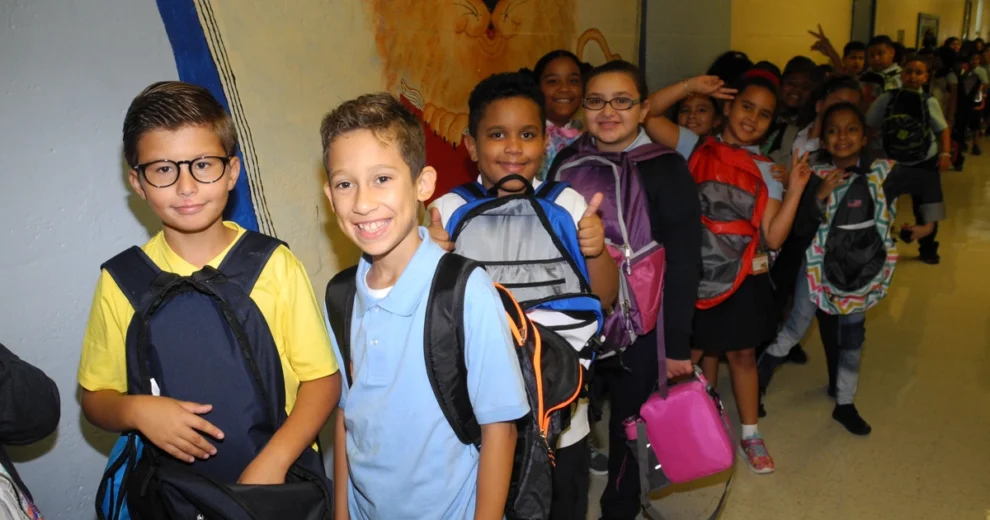
The countywide effort will bring essential classroom materials to students at more than 16 public elementary schools before the new academic year
More than 8,500 students are expected to receive essential school supplies through a Miami-Dade school supply distribution scheduled from August 17 through August 28, 2026. Led by the Kiwanis of Little Havana Foundation in partnership with the Miami Marlins Foundation and other community supporters, the initiative will operate at more than 16 public elementary schools across Miami-Dade County. Individual distribution dates and times will vary by school.
The project is intended to help students begin the academic year with basic classroom materials while reducing a seasonal expense for families. Organizers have described the effort as one of the country's largest back-to-school initiatives, although no independent national ranking was provided with the announcement. Its local reach is clear: thousands of children at selected schools will receive supplies during an 11-day distribution period.
A Long-Running Miami-Dade School Supply Distribution
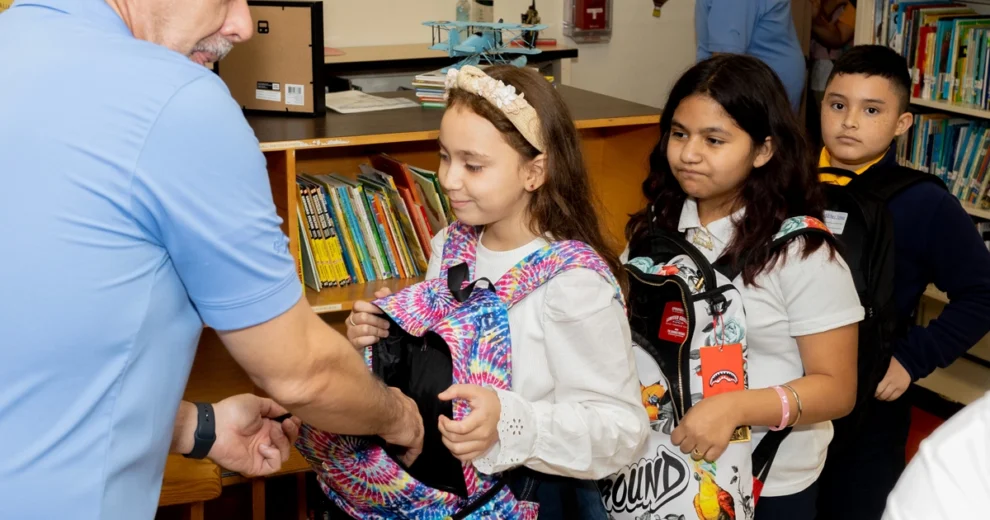
The Kiwanis of Little Havana Foundation has provided educational and youth services in South Florida for decades. Its annual back-to-school project relies on collaboration among nonprofit organizations, private partners, schools and public officials to assemble and deliver supplies directly to students.
This year's initiative is supported by the Miami Marlins Foundation, the Archdiocese of Miami and City of Miami Commissioners Miguel Angel Gabela, Rolando Escalona and Ralph "Rafael" Rosado. City of Miami Mayor Eileen Higgins is also listed among the public officials expected to participate. Representatives from the participating organizations will join school administrators, educators, students and families during the distribution period.
The 2026 project follows a larger 2025 campaign that reached more than 10,000 students and distributed over $350,000 in supplies, according to Calle Ocho News' previous coverage of the Kiwanis back-to-school initiative. The year-to-year totals may change according to funding, participating schools and identified need, but the basic goal remains consistent: ensuring that a student's ability to arrive prepared does not depend entirely on a household's purchasing power.
For families already balancing housing, food, transportation and childcare expenses, the combined cost of backpacks, notebooks, writing tools and other classroom requirements can create additional pressure. A school-based distribution can help remove that immediate barrier while allowing educators to begin instruction with more students equipped to participate.
The initiative also reflects a broader pattern of local partnerships addressing back-to-school costs. In 2023, then-Miami-Dade County Commissioner Eileen Higgins and School Board Chair Mari Tere Rojas organized a backpack and school-supply giveaway for local students. Together, efforts like these show how nonprofits, schools, civic leaders and community donors can coordinate around a practical need with a direct effect on families.
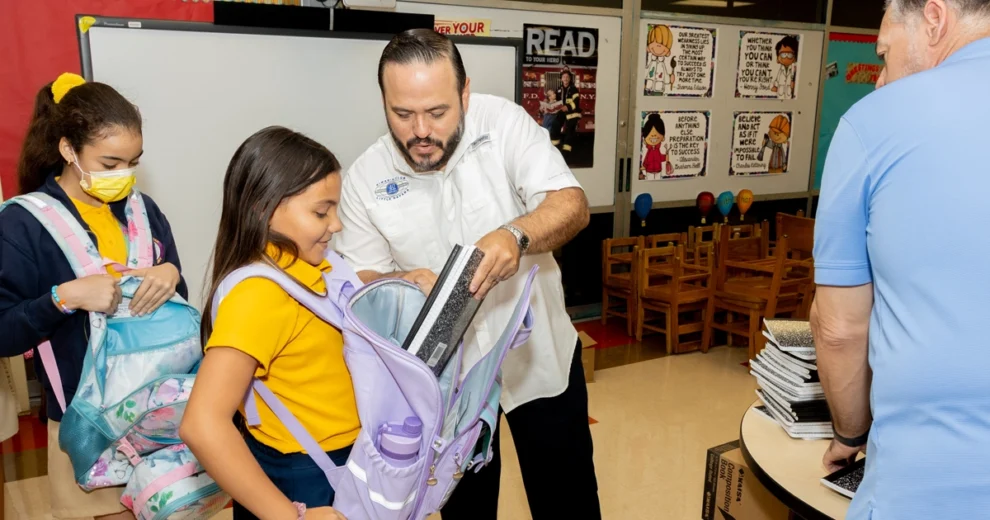
What Families and the Wider Community Should Know
The announced distributions will take place at more than 16 selected public elementary schools between August 17 and August 28. Because the complete school-by-school schedule was not included in the information available to Calle Ocho News Desk, families should not assume that every location is a public walk-in site. Parents and guardians should confirm participation, eligibility, dates and pickup procedures directly with their child's school or the Kiwanis of Little Havana Foundation.
The project serves an educational purpose, but its regional impact extends beyond the contents of a backpack. Having the expected materials can help students take part in assignments from the first day, reduce the need for teachers to supply items personally and ease a source of stress for parents. It can also help children feel that they are beginning the year on equal footing with classmates.
For schools, coordinated distributions can make support easier to deliver because administrators already understand their students' needs and can communicate in the languages used by local families. That matters in culturally and linguistically diverse Miami-Dade County, where accessible information is an essential part of effective public service.
Community members interested in this issue can follow the broader Miami education coverage from Calle Ocho News for updates affecting students, parents, schools and learning opportunities across the county. Residents who want to assist should contact the organizing foundation before donating products or volunteering, since schools and distribution teams may have specific supply lists, security procedures and scheduling requirements.
The 2026 distribution demonstrates how a focused community partnership can address an immediate educational need at meaningful scale. Its longer-term value will depend on consistent coordination, clear access information and continued attention to the financial pressures facing families throughout the school year. For weekly reporting on schools, public services and community issues, subscribe to Calle Ocho News for weekly Miami-Dade updates. Organizations seeking to reach local audiences may contact Pressnet Corp. for advertising, sponsorship, and partnership opportunities.