


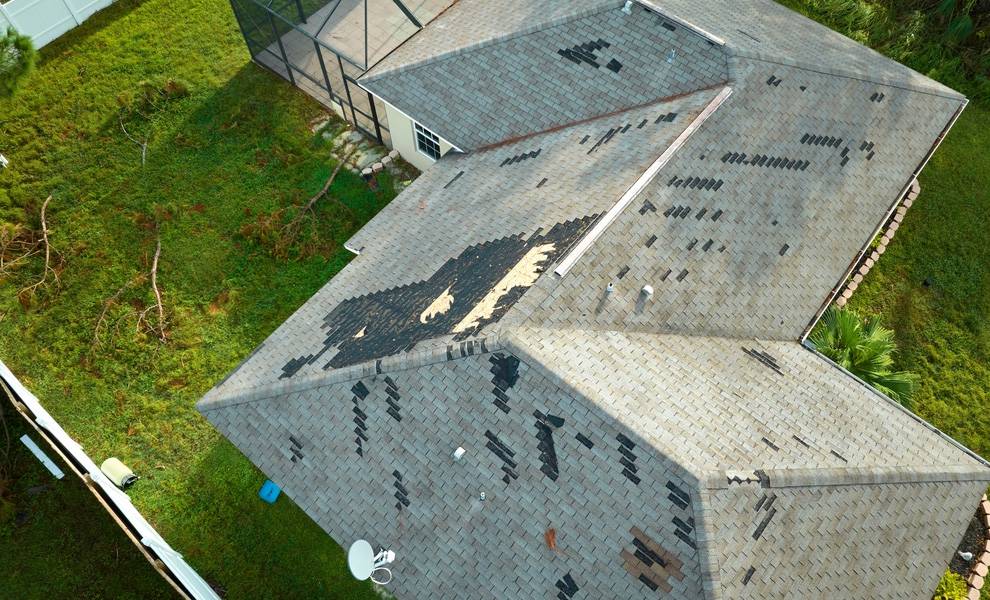

Key steps every homeowner should take to assess storm damage, prevent further issues, and ensure their property remains safe after severe weather
Heavy storms have a way of making everything feel fine until it is not. The rain stops, the sky clears, and your home looks normal from the outside. But storm damage is rarely dramatic at first. Most of the time, it shows up quietly through a leak, a crack, a stain, or a weird smell a few days later.
That is why knowing what to check after a heavy storm matters. A quick inspection can help you catch small issues before they turn into expensive repairs. Whether you are dealing with strong wind, heavy rain, hail, or all three, your home deserves a proper once-over once the weather calms down.
Start with the roof first
Your roof takes the biggest hit during a storm, so this is the first place to check. You do not need to climb up there. In fact, do not. A simple ground-level inspection is enough to spot obvious warning signs.
Look for missing shingles, uneven areas, fallen debris, or anything that seems off compared to how your roof normally looks. If parts of the roofline appear warped or damaged, that is worth taking seriously. Even one missing shingle can create an opening for water to get in.
This is also the point where many homeowners realize the issue is bigger than a simple repair. If your roof has already been patched multiple times, repeated storm damage can be a sign that it is time to look into roof replacement services instead of temporary fixes.
Check your gutters and downspouts
Gutters are easy to ignore until they stop doing their job. After a heavy storm, they are often full of leaves, twigs, dirt, and random debris that block water from flowing away properly.
Walk around your home and look for sagging gutters, detached sections, or overflowing spots. Check the ground too. If you see puddles collecting near the foundation or dirt washed away from flower beds, your drainage may not be working properly.
Blocked or damaged gutters can push water back toward your home instead of away from it. That can lead to wall damage, leaks, and even foundation issues if it keeps happening.
Look closely at the siding and exterior walls
Storm damage is not always above your head. Exterior walls often show early signs of trouble after heavy weather, especially if rain is blowing hard against the house.
Check for cracks, loose siding, peeling paint, warped panels, or any strange discoloration. If one side of the house took the worst of the storm, start there first.
Water has a way of getting into tiny openings and causing problems long after the storm is over. If your walls are damp or stained, do not brush it off. Moisture trapped behind siding can lead to mold, rot, and expensive repairs down the line.
Inspect windows and doors for leaks or swelling
Windows and doors are common weak points during a storm, especially older ones. Wind-driven rain can force moisture through tiny gaps that you would never notice on a dry day.
Check for water marks around frames, bubbling paint, damp window sills, or doors that suddenly feel harder to open and close. If a wooden door looks swollen or a window seal seems foggy, moisture may have gotten in.
This step matters because water damage around windows and doors often spreads slowly. You may not notice it right away, but a small leak today can turn into soft wood and hidden mold later.
Do not skip the attic
If you only check one indoor space after a storm, make it the attic. It is one of the best places to spot early roof leaks before they show up on your ceiling.
Take a flashlight and look for wet insulation, dark stains on beams, a damp smell, or tiny spots of daylight peeking through. If the attic feels unusually humid or musty, that is another sign that moisture got in somewhere.
A lot of homeowners wait until they see a brown ceiling stain downstairs. By then, the water has already done damage. Catching it in the attic gives you a much better shot at fixing the issue before it spreads.
Check the basement or lowest level
Water always moves downward, which is why the basement or lower floor is another must-check area after a storm. Even if you did not notice any flooding, subtle moisture problems can still show up.
Look for damp walls, musty smells, small puddles, or dark patches near corners and baseboards. If your basement has carpet, pay attention to any damp or soft spots underfoot.
This is especially important if your area gets heavy rain in a short amount of time. Stormwater can sneak in through foundation cracks, poor drainage, or overloaded sump systems without making a dramatic entrance.
Look up at the ceilings and around corners
This is where hidden storm damage often starts to reveal itself. Go room by room and look up. Then look around windows, corners, and upper walls.
You are checking for:
- Water stains
- Bubbling paint
- Hairline cracks
- Peeling drywall
- Damp spots
These signs are easy to miss when you are rushing through the house, but they usually mean moisture has found a way in. Even if the stain looks small, it is worth paying attention to. Water damage rarely stays in one place.
Check your yard and drainage areas
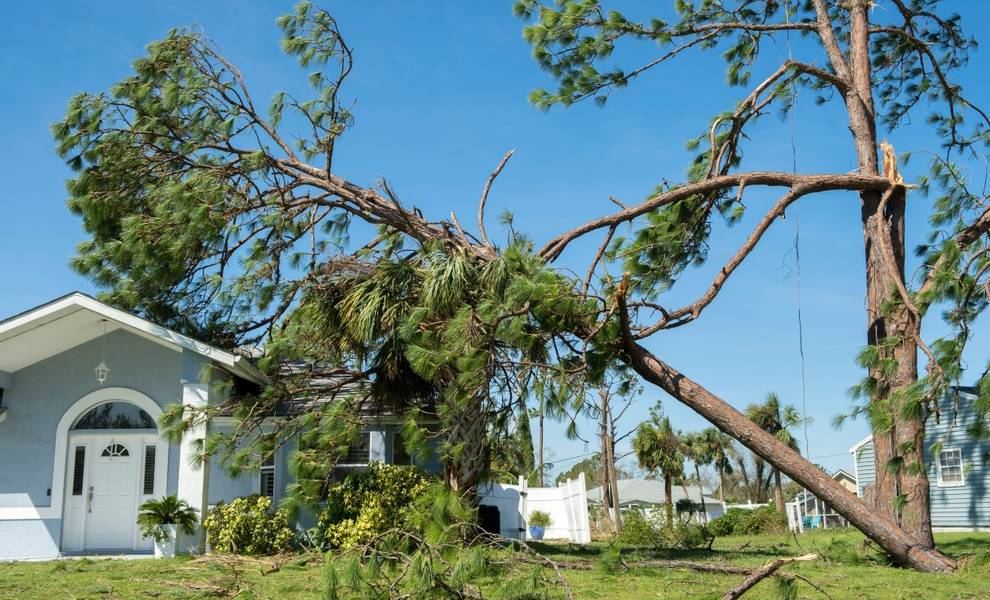
Storm damage is not always about the house itself. Sometimes the warning signs are outside, sitting right in your yard.
Walk around and look for:
- Fallen branches
- Washed-out soil
- Standing water
- Fence damage
- Uprooted plants
- Exposed roots near the house
These things matter more than people think. Poor drainage after a storm can lead to repeated issues every time it rains. If water is pooling close to your foundation, that needs to be fixed before it becomes a structural problem.
Pay attention to sounds and smells
This part is underrated, but honestly, your house usually tells you when something is wrong.
Listen for:
- Dripping sounds in walls or ceilings
- New creaks after wind damage
- Rattling vents or loose panels
Smell for:
- Damp air
- Musty rooms
- That weird, wet drywall smell
If something feels off after a storm, trust that instinct. Homes do not suddenly start smelling strange for no reason.
Take photos of anything suspicious
Even if you are not sure whether the damage is serious, take photos anyway. This helps in two ways.
First, it gives you a record of things if they get worse later. Second, it is useful if you need to talk to a contractor or file an insurance claim.
Take clear photos of roof areas visible from the ground, damaged gutters, stains, puddles, cracks, or fallen debris. It takes two minutes and can save you a lot of back-and-forth later.
Know when to call a professional
Some storm checks are simple. Others are not worth guessing on.
If you notice active leaks, sagging roof areas, major gutter damage, attic moisture, or signs of structural movement, do not wait around hoping it dries out on its own. It usually does not.
A professional inspection can tell you whether you are dealing with surface damage or something more serious. That is especially important after a strong storm because a lot of damage looks minor until the next rainfall proves otherwise.
Why post-storm checks matter more than most people think
The biggest mistake homeowners make after a heavy storm is assuming no visible disaster means no real damage. That is how small issues get weeks or months to grow.
A fast post-storm inspection is not overreacting. It is smart home maintenance. It helps protect your roof, walls, windows, drainage, and everything else that keeps your home safe and dry.
Storms do not always leave a dramatic mess behind. Sometimes they leave a tiny problem that becomes a huge one if nobody catches it in time. That is why checking your home right after bad weather is one of the smartest habits you can build.
Subscribe to the Calle Ocho News newsletter for continued reporting and updates on storm resources. Local businesses and agencies interested in reaching the community through trusted media are invited to contact Pressnet Corp. for advertising and partnership opportunities.


Add Comment