
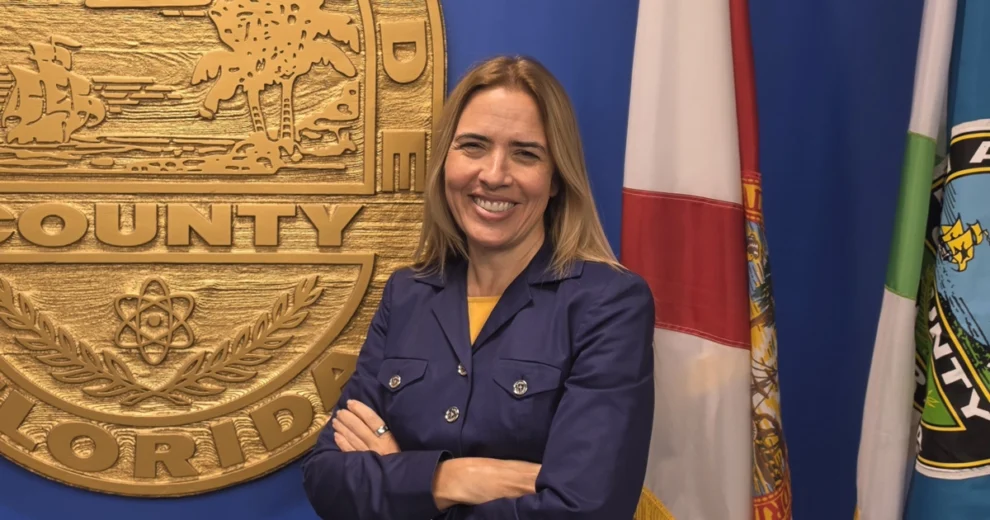
In a region known for its diversity, entrepreneurial spirit, and rapid growth, effective leadership requires more than policy expertise; it requires vision, empathy, and the ability to connect government initiatives to the everyday lives of residents. Few public officials embody that approach more fully than Miami-Dade County Commissioner Raquel Regalado
Representing District 7, Commissioner Regalado has emerged as one of South Florida’s most influential voices on issues ranging from neuroinclusion and mental health to affordable housing, transportation, environmental sustainability, and economic development. Her work reflects a leadership style rooted in service, collaboration, and the belief that government can be a force for positive change when it is responsive to the communities it serves.
As Miami-Dade continues to grow as a global center for business, tourism, culture, and innovation, Commissioner Regalado has positioned herself at the intersection of public policy and community impact, advancing initiatives designed to improve quality of life now and futureproofing for the next generation.
From neuroinclusion and mental health reform to housing, transportation, and environmental resilience, Commissioner Raquel Regalado is helping shape a more accessible, equitable, and future-ready Miami-Dade County.
Raquel Regalado’s Leadership Vision and Public Role
For Commissioner Regalado, leadership is deeply personal. While public service has long been part of her family’s story, she often credits her two neurodivergent children with helping her discover her own purpose. Their experiences transformed the way she viewed government, education, and community engagement, ultimately inspiring her to pursue public office and become an advocate for families navigating similar challenges. That personal connection has fueled one of her most significant accomplishments: the creation of the Florida Neuroinclusion Toolkit.
Developed through years of research, legislation, community engagement, and policy implementation, the toolkit provides cities, counties, businesses, and organizations with practical strategies to make services, programs, and events more accessible to neurodivergent individuals. It serves as a roadmap for communities seeking to create environments where people with autism, ADHD, dyslexia, Tourette syndrome, epilepsy, dementia, Alzheimer's disease, and other neurological conditions can participate fully in civic life. Recently, she presented this ToolKit at the National Association of Counties conference to discuss how local governments across the country can use this as a practical framework for public services, emergency response, Medicaid, HCBS, and I/DD services.
The initiative has gained recognition beyond Miami-Dade County and is now helping influence conversations across Florida and nationally. Under Regalado’s leadership, Miami-Dade County has trained more than 4,000 first responders and public employees on neurodiversity awareness and response strategies. Police officers, firefighters, transit employees, library staff, and parks personnel have received specialized training designed to improve interactions with neurodivergent residents while reducing unnecessary arrests, misunderstandings, and crisis situations.
The impact extends far beyond government facilities. Commissioner Regalado has actively partnered with private-sector organizations to encourage neuroinclusive practices throughout the community. One recent example involved collaboration with Loews Hotels, which trained more than 400 employees to better serve neurodivergent guests and families.
For Regalado, inclusion is not simply a program; it is a framework for leadership. That same philosophy influences her work on a broad range of issues affecting Miami-Dade residents, including affordability, public safety, transportation, environmental protection, and economic opportunity. By combining data-driven decision-making with community-centered problem-solving, she seeks to ensure that public policy remains connected to the people it is intended to serve.
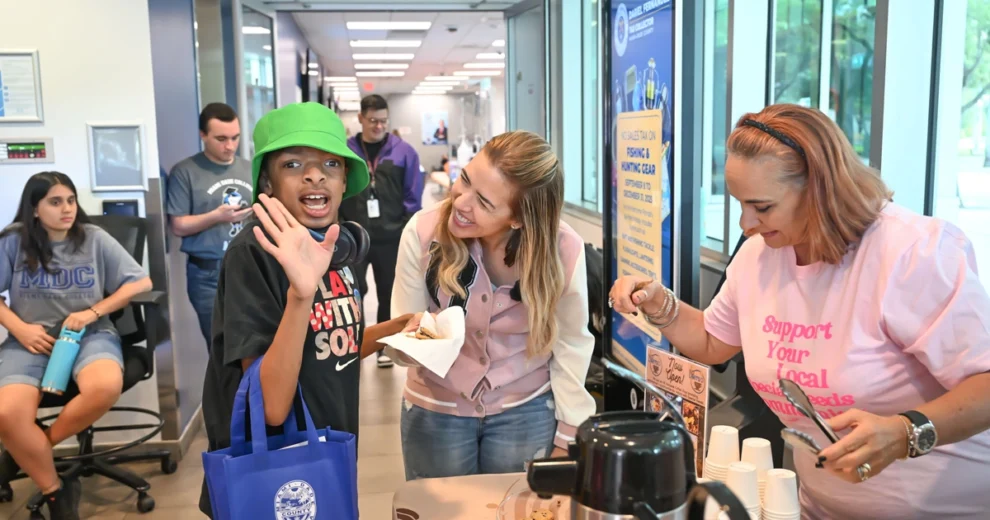
Miami-Dade County’s Role in Community, Culture, and Growth
Commissioner Raquel Regalado’s work highlights the evolving role of local government in addressing complex challenges while fostering long-term prosperity. One of the most significant initiatives currently moving forward is the Miami Center for Mental Health Recovery, a groundbreaking program designed by retired Judge Steve Leifman to address the cycle of mental illness, homelessness, and incarceration.
The center will provide comprehensive treatment and wraparound services for individuals living with severe mental health conditions such as schizophrenia and bipolar disorder. Rather than relying on incarceration as the default response, the initiative focuses on treatment, stabilization, education, workforce development, and reintegration into society.
The project represents years of collaboration among county leaders, mental health advocates, researchers, and community stakeholders. Supported through opioid settlement funding, an item Regalado sponsored, the center is expected to serve as a model for communities across the nation seeking more effective approaches to behavioral health.
Housing affordability remains another major priority. Throughout her tenure, Commissioner Raquel Regalado has championed innovative housing solutions designed to help residents remain in their communities while adapting to changing economic realities. These efforts include support for accessory dwelling units (ADUs), mixed-income housing developments, workforce housing initiatives, and HUD projects that integrate community amenities such as childcare centers, libraries, and educational facilities, instead of fencing and separation.
Recent developments in her district illustrate a broader vision of housing that extends beyond simply creating units. Instead, these projects aim to build true mixed-use communities that support families, seniors, individuals with disabilities, and working professionals.
Transportation infrastructure is also central to Miami-Dade County’s future growth strategy. As Miami-Dade County’s appointee for more than six years and current Chair of SFRTA, the planning authority that runs Tir-Rail, Regalado has helped advance efforts to strengthen transit connectivity throughout South Florida. New funding agreements, transit-oriented development opportunities, and strategic station expansions are creating opportunities for greater mobility while supporting economic development along major transportation corridors.
The growing success of regional rail connections demonstrates how transportation investments can improve accessibility, reduce congestion, and connect residents with employment, education, healthcare, and cultural destinations.
Environmental stewardship remains equally important. From water quality initiatives and septic-to-sewer conversion projects to environmental remediation and park restoration, Commissioner Regalado has supported policies designed to protect Miami-Dade County’s natural resources while preparing for future growth.
Her work reflects an understanding that sustainable development and environmental preservation must go hand in hand if South Florida is to remain economically competitive and environmentally resilient for generations to come. Taken together, these initiatives reveal a broader leadership philosophy focused on building communities that are inclusive, connected, and prepared for future challenges.
As Miami-Dade County continues to evolve, Commissioner Raquel Regalado remains committed to advancing policies that improve quality of life, expand opportunity, and ensure that growth benefits residents across all backgrounds and neighborhoods.
For more leadership profiles, community news, and stories about the leaders shaping South Florida’s future, subscribe to the Calle Ocho News newsletter. Businesses, organizations, and government agencies interested in reaching Miami-Dade County’s diverse audience can contact Pressnet Corp. for advertising, sponsorship, and partnership opportunities through Calle Ocho News.