


A historic station and legacy broadcast Radio Mambí that helped define Miami’s Cuban-American and shaped Miami’s cultural identity closes its doors
For generations, Radio Mambí wasn’t just another station on the dial—it was the heartbeat of Miami’s Cuban exile community. Its voice carried across Little Havana’s ventanitas, Coral Gables living rooms, and streets lined with cafés playing Celia Cruz and Beny Moré. Now, with the sudden closure of Radio Mambí, Miami is losing a powerful cultural institution that shaped political dialogue, music, and identity for decades.
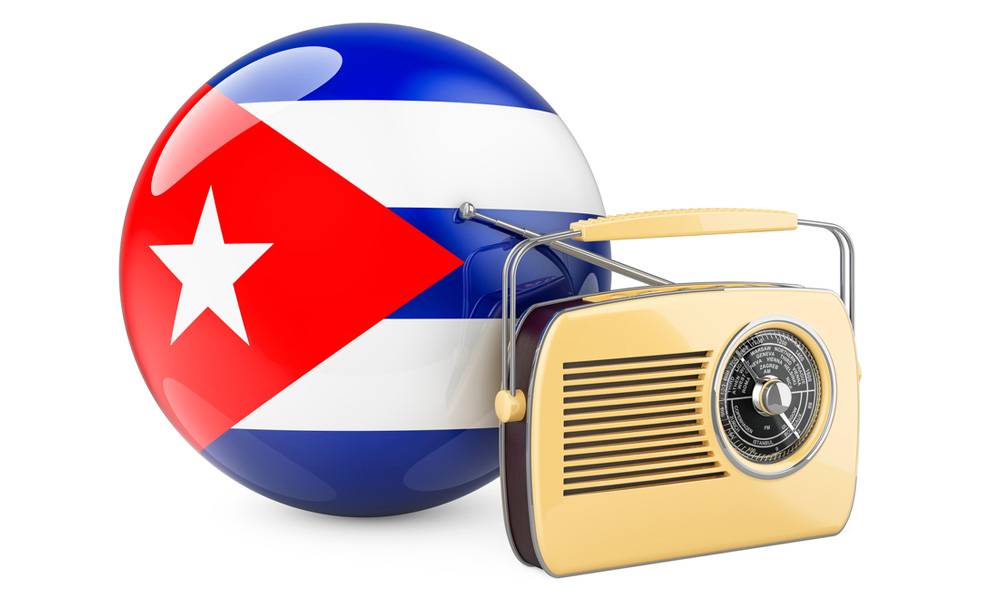
A station that became a cultural beacon
Founded during a pivotal moment in Miami’s history, Radio Mambí became a home for the Cuban diaspora—a place where news, memories, and advocacy met daily. For many, it was their connection to the homeland they left behind a space to share stories, debate passionately, and stay informed about issues tied to Cuba, U.S. politics, and South Florida life.
In an era before digital media dominated Miami’s conversations, Radio Mambí nurtured a loyal community of listeners who trusted its hosts and its mission. Whether discussing political change, celebrating Latin music in Miami, or keeping residents updated during hurricane preparedness season, the station remained a steady companion for families across multiple generations.
Its closure marks a turning page in Miami’s cultural history—one that leaves many residents asking what voices will fill the void.
What this means for Miami’s media landscape
The disappearance of a station as iconic as Radio Mambí underscores how rapidly the media world is shifting. As more outlets move online and younger audiences get their news from social platforms and digital podcasts, legacy radio stations face mounting challenges.
But the closure also raises important questions about representation. For decades, Radio Mambí provided a platform for Cuban exiles and Latino voices rarely heard elsewhere. Losing that platform means losing a piece of Miami’s cultural fabric—a reminder of how essential it is for communities to protect and uplift their own media spaces.
From Little Havana’s art walk to Calle Ocho’s cultural heartbeat, Miami continues to evolve. Yet moments like this remind us of the voices and traditions that built the Miami we know today.
As our community reflects on this loss, Calle Ocho News will continue covering the stories that matter rooted in culture, identity, and the future of Miami’s media landscape. Subscribe to the Calle Ocho News newsletter for more local updates, and if your business wants to stay connected to Miami’s vibrant audience, contact Pressnet Corp. for advertising opportunities.


Add Comment