


As Miami-Dade County continues to grow, the debate over the Urban Development Boundary raises important questions about housing, environmental protection, and the future of South Florida’s development.
Across Miami-Dade County, the conversation about land use and growth is becoming increasingly important as population increases and housing demand rises. The Urban Development Boundary (UDB), a long-standing planning tool in South Florida regional governance, was created to guide where urban development should occur. While many leaders support keeping the boundary intact to protect natural resources and manage infrastructure, others argue that expanding it could help address housing shortages. Understanding both perspectives is essential for community awareness as residents follow regional policy discussions.
The case for keeping the urban development boundary intact
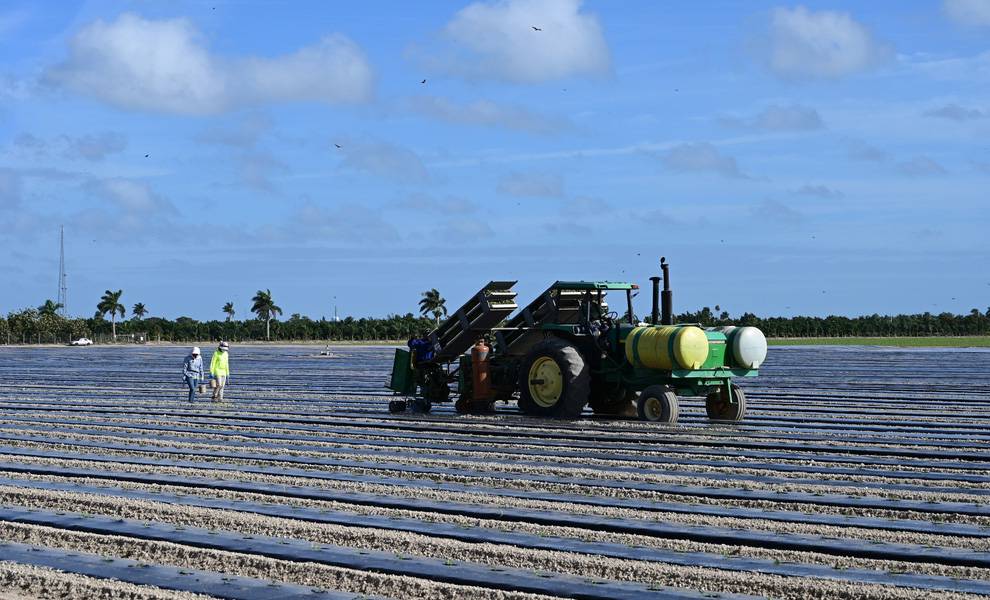
Supporters of maintaining the Urban Development Boundary argue that the policy protects some of South Florida’s most important environmental and agricultural lands. These areas help safeguard the region’s water supply, protect ecosystems, and support farming that contributes to the local food system.
Urban planners also point out that concentrating development within the existing urban footprint allows Miami-Dade County to use infrastructure more efficiently. Roads, utilities, public transportation, and public education systems are already built to serve these areas. Expanding development outward could require costly infrastructure investments and increase traffic congestion across the region.
Environmental advocates further stress that preserving open land plays a key role in South Florida's climate resilience, helping manage flooding and protect natural habitats that support the region’s ecological balance.
The case for expanding the boundary
Others believe the Urban Development Boundary should be adjusted to reflect the realities of population growth and housing demand. As more people move to Miami-Dade County, housing prices have increased significantly, making affordability a growing concern for many residents.
Some housing advocates and developers argue that expanding development areas could allow for more housing supply, potentially helping stabilize costs over time. They also suggest that carefully planned expansion could create new opportunities for modern infrastructure, mixed-use communities, and economic development.
Supporters of expansion often emphasize that growth is inevitable in a dynamic region like South Florida and believe policy should adapt to accommodate future needs while still incorporating environmental safeguards.
As Miami-Dade County continues to evaluate land-use policies, the debate over the Urban Development Boundary reflects a broader challenge facing many growing regions: how to balance housing needs, environmental protection, and long-term planning. Readers interested in staying informed about Miami-Dade County policy and regional development issues are encouraged to subscribe to the Calle Ocho News newsletter for continued reporting and updates. Local businesses and organizations interested in advertising or partnership opportunities can contact Pressnet Corp. to connect with the community through Calle Ocho News.


Add Comment