


A month of policy action highlights Miami-Dade County Tax Collector Dariel Fernandez's evolving approach to tax fairness, public accountability, and efficient government services
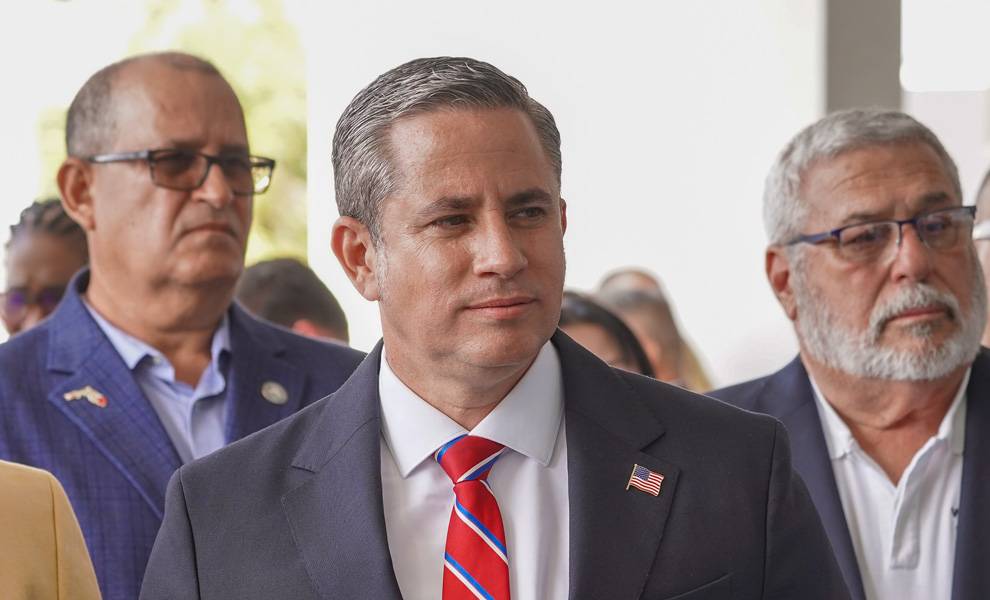
Miami-Dade County opened the year with a series of policy initiatives that signal a renewed focus on fairness, efficiency, and public trust. Throughout January, County Tax Collector Dariel Fernandez advanced reforms and enforcement efforts touching residents across income levels—particularly seniors, fixed-income households, and small businesses—while reinforcing broader South Florida trends around modernization and community awareness.
Fairness and relief for residents
Several January actions centered on reducing unnecessary financial burdens. Fernandez publicly supported eliminating the annual mobile home registration tax for residents who already pay property taxes through lot rent, framing the issue as a matter of fairness for households facing rising costs. The proposal would also reduce administrative overhead, aligning with Miami-Dade County policy goals focused on efficiency and responsible governance.
Fernandez also called on the County Commission to stop sending property tax bills under thirty dollars, citing the cost of printing and processing bills that generate little revenue. The proposal reflects a growing emphasis on reducing waste and prioritizing resources for services that directly benefit residents—an approach consistent with regional public education efforts around how local government operates.
Enforcement, integrity, and modernization
January also marked a strong stance on enforcement and system integrity. A countywide audit of disabled parking permits was launched in coordination with state authorities to address fraud and misuse, underscoring a zero-tolerance approach aimed at protecting residents with legitimate mobility needs.
At the same time, the Tax Collector’s Office continued modernizing operations by relying on real-time electronic verification for business tax compliance, reducing outdated paperwork requirements for business owners. Additional efforts included identifying unlicensed driving schools and publishing verified providers to protect families and promote transparency.
Together, these actions illustrate a broader commitment to accountability, efficiency, and trust—key pillars of Miami-Dade County’s evolving governance model.
As South Florida policy discussions continue to shape daily life for residents and businesses alike, staying informed remains essential. Readers are encouraged to subscribe to the Calle Ocho News newsletter for continued reporting and updates. Local businesses and agencies interested in advertising or partnership opportunities may contact Pressnet Corp. for more information.


Add Comment