
From Downtown Miami and Wynwood to Miami Beach, the highly anticipated video game is transforming familiar landmarks into a worldwide marketing spectacle while raising questions about tourism, public spending and the city's image
Miami is becoming the real-life version of Vice City as the November 19, 2026, release of Grand Theft Auto VI approaches, bringing one of the entertainment industry's most anticipated launches directly into South Florida's streets, businesses and public spaces. The fictional city at the center of the new video game is heavily inspired by Miami, and the connection is now visible across the region through oversized installations, public art, themed entertainment and promotional partnerships. For Miami-Dade residents, the excitement extends beyond gaming, raising broader questions about how the city benefits from its international recognition and how its image is represented to millions of players worldwide.
Developed by Rockstar Games, GTA 6 returns the franchise to Vice City, a fictional interpretation of Miami located within the game's imaginary state of Leonida. The game is scheduled to launch Thursday, November 19, on PlayStation 5 and Xbox Series X|S, with a PC release expected later. Its fictional world draws inspiration from South Florida's beaches, nightlife, neighborhoods, architecture and distinctive cultural atmosphere, placing the region at the center of a major global entertainment event.
The launch has already generated significant activity across Miami-Dade County. From the rooftop of the Kaseya Center to the streets of Wynwood and businesses in Brickell, the recognizable pink-and-blue aesthetic associated with Vice City has become increasingly prominent. Restaurants, nightlife establishments, sports organizations and local attractions are participating in the excitement, creating opportunities for businesses to reach customers while introducing Miami's recognizable landmarks to international audiences.
How GTA 6 is Transforming Miami into Vice City
One of the most visible symbols of the campaign is the enormous “Welcome to Vice City” installation at the Kaseya Center in Downtown Miami. The rooftop display connects the home of the Miami Heat with the fictional city featured in the game, creating a recognizable landmark for promotional imagery and aerial views of the area. The Miami Heat are also participating in the celebration with a Vice City-themed basketball experience scheduled for November 18, the evening before the game's release.
Beyond Downtown Miami, the campaign has extended into Wynwood, where colorful murals and artistic installations connect the game's visual identity with the neighborhood's established street art culture. Rockstar Games has partnered with Wynwood Walls on an initiative that includes new murals, merchandise and complimentary admission for Miami-Dade residents through 2028. The project offers a tangible community benefit beyond the immediate advertising campaign while bringing additional attention to local artistic spaces.
Miami's restaurants and nightlife businesses have also embraced the opportunity. Establishments in Brickell, Wynwood and Miami Beach have introduced themed beverages, merchandise and special experiences inspired by Vice City. Panther Coffee and Coyo Taco are among the businesses participating in the trend, while E11EVEN Miami has adopted a temporary Vice City-inspired identity. These promotions illustrate how a video game launch can extend into hospitality, retail and entertainment, encouraging customers to experience the campaign outside their gaming consoles.
The excitement is expected to continue after the release. A music festival connected to GTA 6 is scheduled for November 21 at Mana Wynwood, bringing another major entertainment activation to Miami. Additional celebrations and themed experiences are expected to attract both gaming enthusiasts and residents interested in seeing how the fictional world has been recreated across the city.
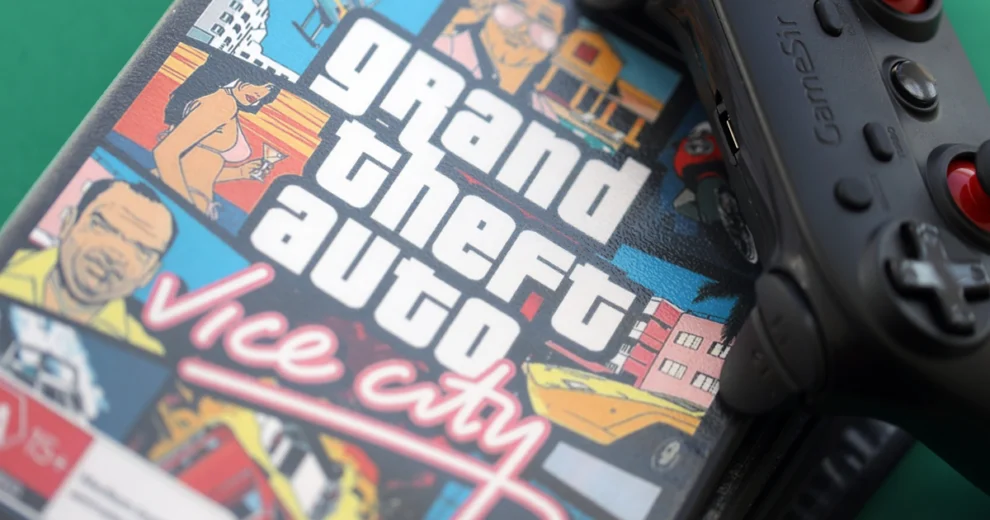
The franchise's connection to Miami is not new. Rockstar previously explored a fictionalized version of South Florida in Grand Theft Auto: Vice City, released in 2002, and Grand Theft Auto: Vice City Stories, released in 2006. Those games drew heavily from the imagery associated with Miami in the 1980s, including neon-lit streets, waterfront properties, nightlife and the era's well-known crime dramas.
GTA 6 brings that relationship into a contemporary setting, reflecting a South Florida that has changed significantly over the past two decades. Miami's expanding skyline, international cultural identity and growing entertainment industry provide a different backdrop from the city portrayed in earlier installments. The result is a fictional environment that draws from recognizable local characteristics while exaggerating aspects of Florida life for entertainment.
What the Vice City Phenomenon Means for Miami-Dade
The attention surrounding GTA 6 presents potential economic and tourism opportunities for South Florida. Miami already attracts international visitors through its beaches, cultural institutions, dining, nightlife and major events. A video game with a worldwide audience could introduce additional travelers to the region's architecture, neighborhoods and cultural attractions, particularly among younger visitors who may first encounter these places through digital entertainment.
However, the promotional partnerships have also generated debate among local officials. Miami-Dade County's reported $3.9 million agreement with Rockstar Games has attracted attention over the use of public assets and the relationship between government promotion and a video game known for fictional violence, criminal activity and satire. Supporters see an opportunity to capitalize on international exposure and generate benefits for public spaces, while critics question whether public institutions should associate themselves with the franchise's themes.
The disagreement reflects a longstanding challenge for Miami: balancing the economic benefits of international entertainment exposure with the city's efforts to present a broader image of its communities. Television programs and films such as Miami Vice and Scarface helped establish Miami's place in popular culture, but also reinforced fictional portrayals involving organized crime, drugs and violence.
For residents of Little Havana, Wynwood, Downtown Miami and other culturally distinctive neighborhoods, the distinction between entertainment and reality remains important. Miami's identity extends far beyond its nightlife and waterfront scenery. Its history includes generations of immigrants, independent businesses, artistic traditions and communities that have shaped the region's economic and cultural development.
The current campaign also demonstrates the growing influence of video games as a form of cultural tourism. Interactive entertainment allows audiences to explore digitally recreated environments, potentially creating familiarity with destinations before they ever visit. Whether GTA 6 ultimately produces measurable increases in tourism or spending remains to be seen, but its promotional presence has already demonstrated the ability of gaming to generate real-world commercial activity.
As the November 19 release approaches, Miami residents can expect continued attention surrounding Vice City-themed installations, entertainment events and local promotions. The game's debut will also give players their first opportunity to explore Rockstar's latest fictional interpretation of South Florida and compare its neighborhoods, landmarks and cultural references with the places they recognize.
For Miami-Dade County, the GTA 6 phenomenon represents more than the arrival of a new video game. It highlights the extraordinary influence South Florida continues to have on global entertainment and raises an important question about how that visibility can translate into lasting benefits for local communities. While Vice City exists only in fiction, the Miami inspiring it is very real, with a cultural identity that extends well beyond the screen.
Subscribe to Calle Ocho News for weekly Miami-Dade updates.
Contact Pressnet Corp. for advertising, sponsorship and partnership opportunities.