
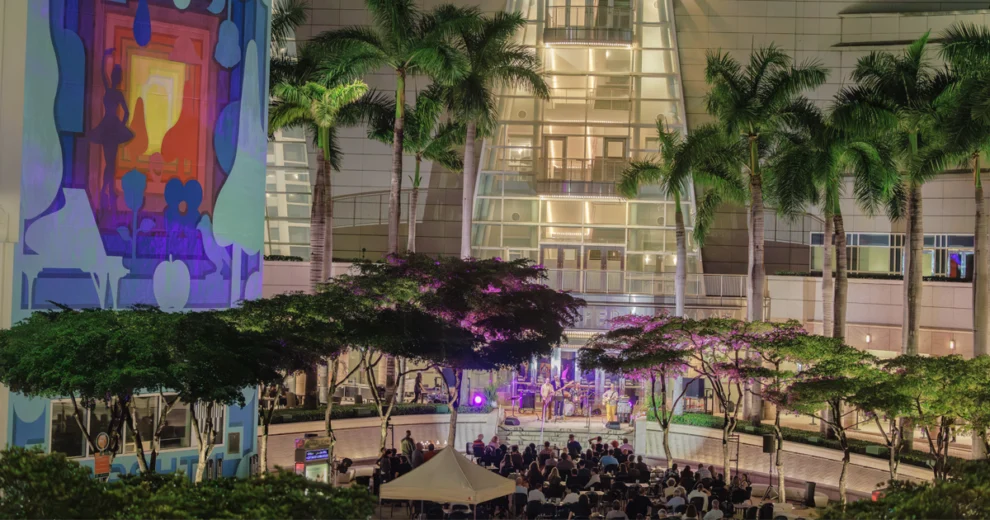
Miami-Dade’s Hispanic Heritage season at the Arsht brings Cuban music, bilingual family theater, Mexican traditions and accessible programming together across generations
In Miami-Dade County, Hispanic heritage is not confined to a month on the calendar. It is woven into the region’s music, language, family traditions and cultural identity. That reality is shaping the Arsht Center Hispanic Heritage programming this season, with performances and community experiences designed not only to showcase Hispanic and Latin artists, but also to give South Florida families opportunities to recognize their own stories, encounter other traditions and participate regardless of their ability to pay.
In an interview with Calle Ocho News, Arsht Center Vice President of Communications Suzette Espinosa Fuentes described Hispanic culture and Miami as deeply interconnected. For the performing arts institution, she explained, meaningful representation requires more than scheduling Latin programming during Hispanic Heritage Month; it means reflecting the community throughout the season. That approach can be seen in programming that moves from the Cuban musical legacy of Buena Vista Social Club and Chucho Valdés to bilingual family theater and a Día de Muertos cultural experience, while continuing to feature Hispanic and Latin artists throughout the year.
Hispanic Heritage Programming Turns Cultural Memory into a Shared Experience
One of the season’s centerpieces will be the South Florida premiere of Buena Vista Social Club, running Sept. 29 through Oct. 4 at the Ziff Ballet Opera House. The Tony and Grammy Award-winning musical explores Havana through music and memory, and its Miami engagement carries an additional local connection through a creative team that includes Hialeah-raised Tony Award nominee Marco Ramirez and Miami-born Tony Award winner Patricia Delgado.
The Arsht is extending the experience beyond ticket holders through Rhythm & Roots at the Arsht, a free, weeklong celebration connected to Buena Vista Social Club. The programming includes live music, dancing, dominoes and cultural experiences tied to Cuban heritage. Espinosa Fuentes said the broader celebration was intentional: even with strong demand for the musical itself, the Center wanted residents who might not attend the ticketed production to have an opportunity to participate in the cultural experience surrounding it.
The connection to Buena Vista Social Club also opens a larger conversation about cultural memory. The musical revisits the story of musicians whose work might have faded from public memory had it not been rediscovered and introduced to audiences around the world. Espinosa Fuentes said that history helped inspire the Arsht to think about Miami’s own stories and the importance of preserving them. Music can prompt grandparents, parents and children to talk about what a song, artist or period in Cuban history meant to their own families, turning a performance into an opportunity for memories to move from one generation to another.
During Rhythm & Roots, the Arsht plans to work with the Freedom Tower and other Miami organizations to give community members opportunities to share and record personal stories connected to Cuban heritage. According to Espinosa Fuentes, those memories can then be shared with people attending the week’s activities while also being preserved for the future through participating partner organizations.

Access and Representation Extend Beyond One Heritage Month
The Arsht’s approach also reflects the diversity within Miami-Dade’s Hispanic population rather than treating Hispanic culture as a single experience. On Oct. 3, legendary Afro-Cuban pianist Chucho Valdés will celebrate his 85th birthday at the Arsht, while other programming throughout the season represents different countries, artistic traditions and generations. Espinosa Fuentes pointed to flamenco artists from Spain, Venezuelan performers and Miami-based artists representing the region’s many Hispanic diasporas as examples of how that representation continues beyond the official heritage-month period.
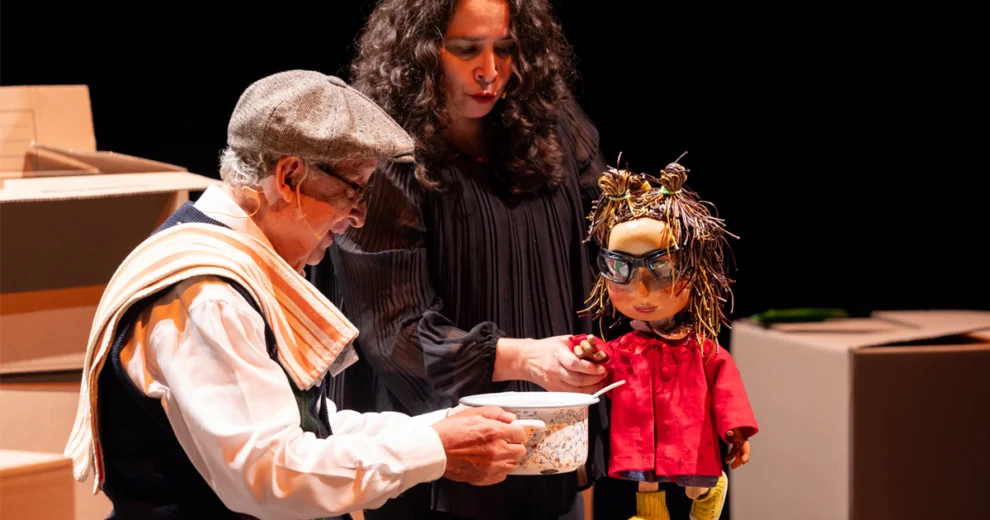
Family programming is another part of that effort. Marionetas de la Esquina: Superheroínas, scheduled for Oct. 10–11, is a bilingual production centered on friendship, the strength of young girls and the idea that children can become heroes in their own stories. The Arsht commissioned the production, and Espinosa Fuentes said its bilingual format provides an opportunity to connect generations while reflecting the blending of Hispanic and American cultures experienced by many families in Miami-Dade County.
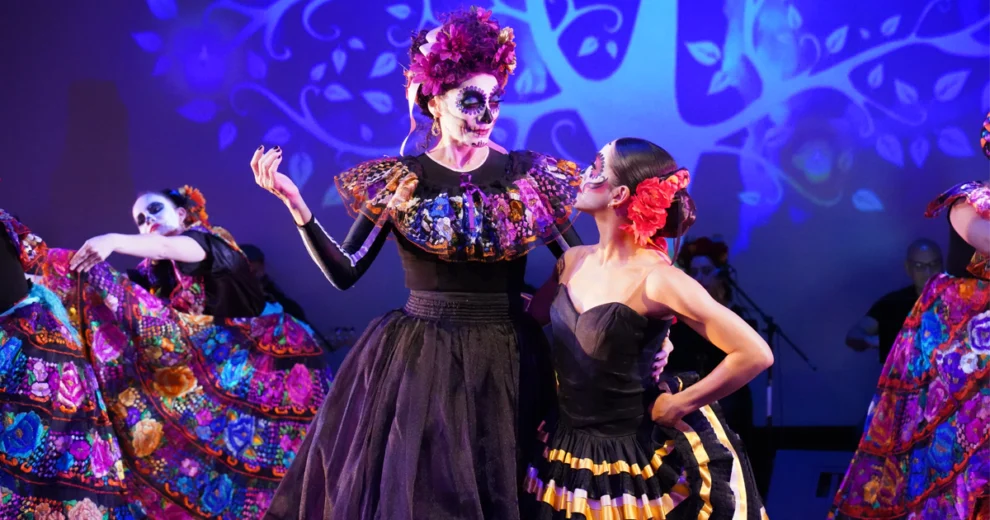
The cultural lens expands again on Nov. 1 with Journey to Día de Muertos, which introduces audiences to traditions associated with the Mexican holiday through activities celebrating ancestors and a performance by Calpulli Mexican Dance Company. Espinosa Fuentes described the program as more than a performance, emphasizing the combination of cultural participation and performing arts as a way for Miami-Dade audiences to experience a tradition that may be part of their own heritage or entirely new to them.
Accessibility is central to that strategy because cultural representation has limited reach if residents cannot participate. Espinosa Fuentes emphasized the importance of free and low-cost experiences, including Rhythm & Roots and other opportunities offered throughout the season. As a nonprofit organization, the Arsht also uses pay-what-you-can programming to allow participants to determine what they can afford while helping sustain access for residents who need to attend at no cost.
For a county where Hispanic identity encompasses many countries, generations and experiences, the combination of representation and accessibility gives cultural institutions an opportunity to do more than present performances. They can create shared spaces where residents see elements of their own heritage represented while also encountering traditions different from their own. Readers can find additional stories examining music, visual art, theater and cultural traditions through Calle Ocho News’ Miami arts and culture coverage.
The larger measure of the Arsht Center Hispanic Heritage programming may ultimately be found in what audiences carry home with them: a grandparent sharing a story a child had never heard, a family discovering another Hispanic tradition or a resident experiencing the performing arts for the first time because cost was no longer a barrier. Espinosa Fuentes said the Arsht hopes these experiences create connection and pride in one’s own culture while also strengthening pride in Miami as a city where different cultures can be celebrated together. Above all, she said, the goal is for people to leave feeling joyful.
Subscribe to Calle Ocho News for weekly Miami-Dade updates, and contact Pressnet Corp. for advertising, sponsorship and partnership opportunities.