
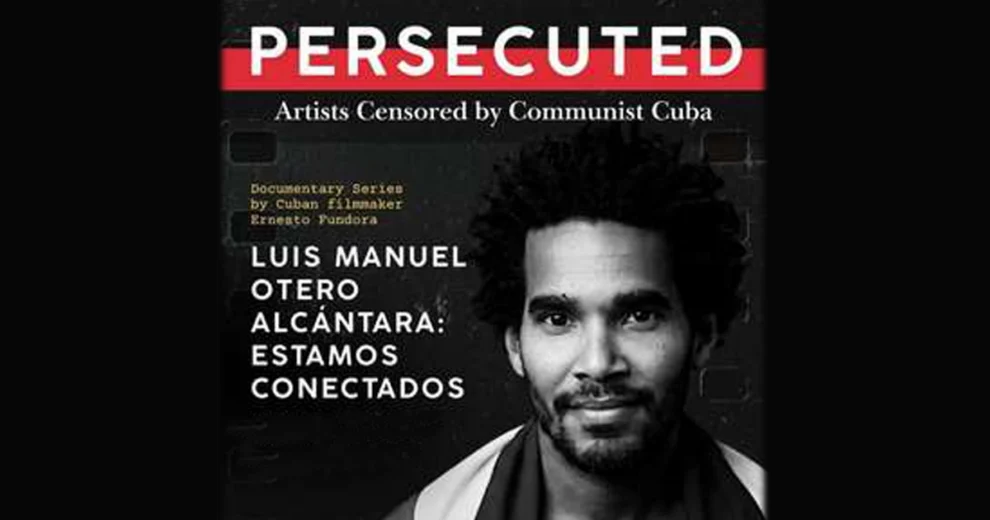
The Coral Gables Museum program connected contemporary art, civic engagement and Cuban history for a South Florida audience
Miami-Dade audiences gathered at the Coral Gables Museum on Aug. 5 for a Luis Manuel Otero Alcántara documentary screening that examined how one artist’s work became intertwined with questions of civic participation, state censorship and freedom of expression in Cuba. Presented by ArtesMiami, the evening featured filmmaker Ernesto Fundora Hernández’s Luis Manuel Otero Alcántara: Estamos conectados and a post-screening conversation with Otero Alcántara, who had arrived in Miami weeks earlier after nearly five years in a Cuban prison.
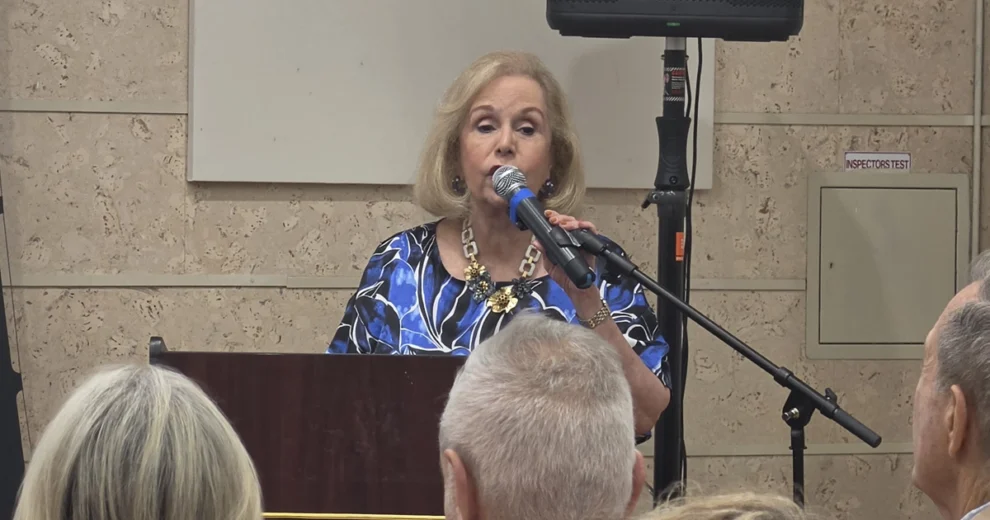
Luis Manuel Otero Alcántara Documentary Screening Placed Art in Historical Context
Fundora’s documentary drew on footage filmed from 2016 to 2021, archival material and journalistic research to trace major moments in Otero Alcántara’s development as a visual and performance artist. It also followed the events that led to his arrest on July 11, 2021, amid widespread protests in Cuba, and his subsequent imprisonment human rights organizations described him as a political prisoner, while the Cuban government rejected that characterization. He was released in July 2026 on the condition that he leave the country and arrived in Miami on July 18.
That recent arrival gave the Aug. 5 program particular immediacy. The evening paired the documentary record with an opportunity for the artist to address the work and events depicted on screen. The format allowed the public to consider not only one person’s experience, but also the larger relationship among creative practice, public dissent and institutional power.
The date carried historical significance. The screening took place on the 32nd anniversary of El Maleconazo, the spontaneous Aug. 5, 1994, uprising in Havana that became the largest public anti-government protest in Cuba since 1959 at that time. By placing a contemporary artist’s story alongside that anniversary, the program connected different periods of Cuban civic history without treating art as separate from the conditions in which it was made.
Those connections hold special relevance in Miami-Dade County, where Cuban history and cultural identity remain part of family life, public debate and the regional arts landscape. Earlier
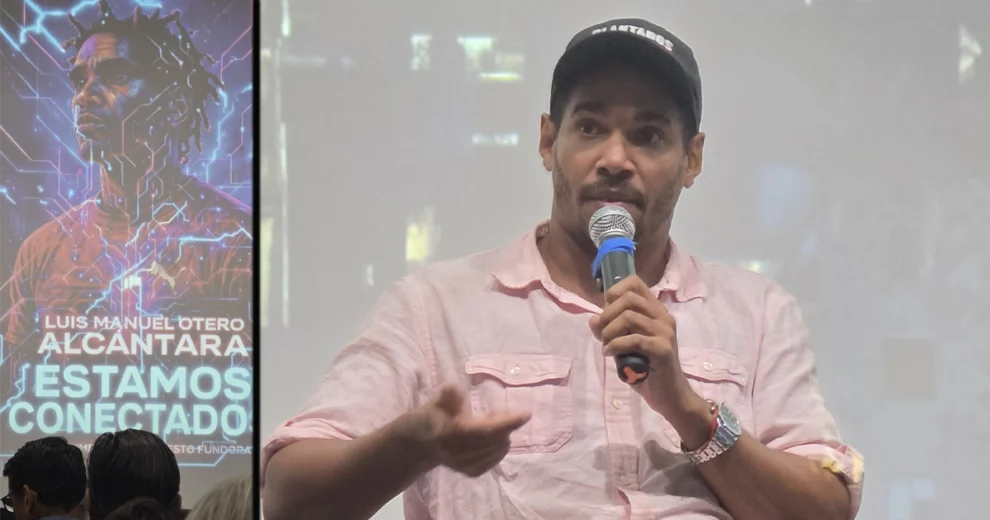
Cultural Institutions Broaden Community Access to Difficult Histories
Estamos conectados opened Persecuted: Artists Censored by Communist Cuba, a two-part documentary series directed by Fundora. According to the Coral Gables Museum program, the second event, Lezama Lima: Soltar la lengua, was scheduled for Sept. 9 and centered on Cuban poet, novelist and essayist José Lezama Lima. Together, the documentaries examined two influential cultural figures from different periods, showing how censorship affected both contemporary visual art and 20th-century literature. Both films were presented with English subtitles, an accessibility measure that widened the discussion for South Florida’s multilingual and multicultural public.
The series also illustrated the role that museums and nonprofit cultural organizations can play in civic education. Coral Gables Museum, which focuses on civic arts and the cultural heritage of the region, provided a public setting where film, history and conversation could meet. ArtesMiami, a nonprofit founded in 1995 by Dr. Aida Levitan, presented the program as part of its continuing support for Miami artists and cultural organizations.
That work fits within a broader regional effort to strengthen local film and cultural storytelling. Calle Ocho News previously reported on the Miami Film Fund created to support local filmmakers, another ArtesMiami initiative designed to expand opportunities for Miami-connected creators. Readers can follow additional museum programs, film events and cultural reporting through Calle Ocho News’ Art & Culture coverage.
The Aug. 5 program was made possible with support from ONE Sotheby’s International Realty, the CINTAS Foundation, Tere Shelton Bernace, and Drs. Ernesto and Malena Erdmann. Their involvement reflected the partnerships often required to bring documentary work and public conversations to local audiences. Such collaborations can help cultural institutions present complex material, provide language access and connect historical events to current community awareness.
For Miami-Dade residents, the screening’s lasting value rested in the questions it brought into a shared civic space: how artists respond to pressure, how communities preserve contested histories and how cultural institutions make those histories accessible to new generations. As the second installment continued the series in September, the project offered another opportunity for South Florida audiences to consider the relationship between cultural expression, memory and public life. Subscribe to Calle Ocho News for weekly Miami-Dade updates. Contact Pressnet Corp. for advertising, sponsorship, and partnership opportunities.