


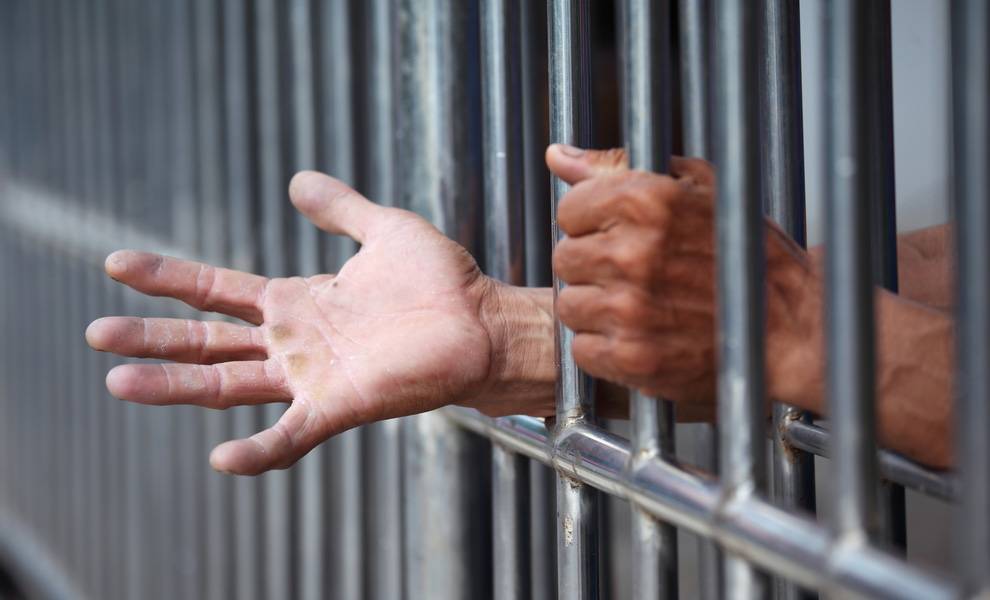

Built in just 8 days, this Everglades detention center is surrounded by alligators and controversy
In just eight days, the U.S. government and the state of Florida transformed a stretch of swamp in the Big Cypress National Preserve into one of the most controversial detention centers in America. Known as “Alligator Alcatraz,” the facility now houses hundreds of migrants and has drawn sharp criticism for its conditions, legal standing, and symbolic use of the Everglades as a natural prison wall.
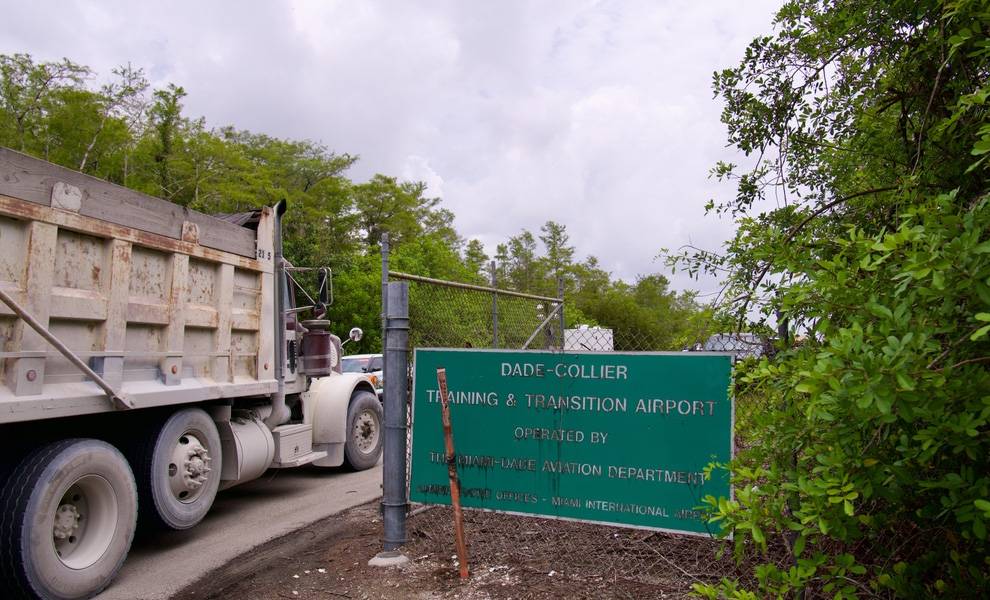
Why it’s called 'Alligator Alcatraz'
The nickname isn’t an exaggeration. The site, built at the Dade-Collier Training & Transition Airport near Ochopee, is surrounded by alligator and python infested wetlands. Officials tout the remote location and hostile terrain as natural deterrents to escape, comparing it to San Francisco’s historic Alcatraz.
The facility, capable of housing up to 5,000 people, is managed by Florida’s Division of Emergency Management in partnership with federal immigration agencies. But beyond the wildlife, critics say the real danger lies in the speed and secrecy with which it was built—and the alleged violations that have followed.
Conditions, legal challenges, and public outcry
Inside, the 'Alligator Alcatraz' detention center has been described as “appalling” by lawmakers and human rights groups. Detainees are reportedly housed in cages with minimal ventilation, exposed to sweltering heat, and forced to sleep on gravel floors. There are claims of worm-infested food, limited access to medical care, and denial of religious rights.
Roughly 35% of those detained have no criminal record, held solely on immigration charges. Critics argue that such conditions amount to punishment for people who haven’t committed crimes.
Adding to the controversy, the Miccosukee Tribe has filed suit, alleging the camp violates tribal land rights and sacred environmental protections. Environmental groups have echoed concerns, warning of irreversible damage to the fragile Everglades ecosystem.
While Republican leaders defend the site as a “deterrent” and “cost-effective,” the backlash is growing. Democratic lawmakers have called for the facility’s closure and a full federal investigation.
Stay informed with Calle Ocho News
For the latest on Florida’s evolving immigration policies and their local impact, subscribe to the Calle Ocho News newsletter.
For advertising inquiries, reach out to Pressnet Corp., proud media partner of Calle Ocho News—connecting your brand with South Florida’s vibrant and engaged community.


Add Comment